Enhancing Your Garden Design with the Queen of the prairie Plant: A Landscaping Guide
1
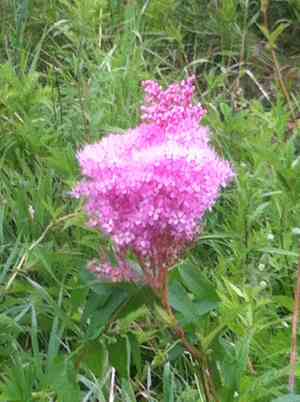
Filipendula rubra elevates aesthetic appeal with its vivid flowers.
2
It fosters regional ecological diversity by drawing in beneficial insects.
3
Filipendula rubra is versatile and hardy, fitting well in diverse garden environments.
Why Incorporate Queen of the prairie into Your Garden?
Enhancing Natural Beauty: The Aesthetic Benefits of Queen of the prairie
Beginning with its visual appeal, Queen of the prairie stands out as an exceptional addition to any garden due to its stunning blossoms and abundant foliage. The plant's vibrant pink flowers create a striking contrast against its rich green leaves, making it a focal point in any landscape design. It blooms in mid to late summer, providing a burst of color when many other plants have already finished flowering. Including Queen of the prairie ensures your garden maintains a lively and dynamic appearance throughout the growing season.
Supporting Local Biodiversity with Queen of the prairie
Another compelling reason to integrate Queen of the prairie into your garden is its capacity to support local biodiversity. The plant's flowers attract a variety of pollinators, including bees and butterflies, which are vital for the health of your garden and the broader ecosystem. By offering nectar and pollen, Queen of the prairie contributes to a flourishing and balanced garden environment. Furthermore, it provides habitat for various beneficial insects and other wildlife, further enriching your garden's biodiversity.
Adaptability and Resilience of Queen of the prairie
One of the prominent features of Queen of the prairie is its adaptability and hardiness. It can thrive in a range of soil types and conditions, making it suitable for various landscape designs. Whether your garden receives full sun or partial shade, Queen of the prairie can adjust and flourish. Moreover, it's relatively drought-tolerant once established, reducing the need for frequent watering. This robustness makes it an excellent choice for gardeners seeking low-maintenance yet visually impressive plants.
Designing with Queen of the prairie: A Step-by-Step Guide
Choosing the Right Location for Queen of the prairie
When planting Queen of the prairie, selecting the appropriate location is crucial for its growth and visual appeal. Ideally, choose an area that receives full sun to light shade and has well-drained soil. If your garden soil tends to be heavy clay, consider amending it with organic matter to improve drainage. Planting Queen of the prairie in groups or clusters can create a more impactful visual display. Consider the plant's height and spread, ensuring it has ample space to grow without being overcrowded by other plants.
Creating Color and Texture Contrasts with Queen of the prairie
Incorporating Queen of the prairie into your landscape design also offers an opportunity to experiment with color and texture contrasts. Pair its soft, pink blooms with plants that have darker foliage or contrasting flower colors for a visually stunning effect. For instance, deep purple coneflowers or white daisies can complement Queen of the prairie beautifully. Additionally, mixing in plants with different textures, such as ornamental grasses, can add depth and interest to your garden.
Combining Queen of the prairie with Other Plants
To create a harmonious and diverse garden, consider pairing Queen of the prairie with a variety of other plants. Native perennials, like black-eyed Susans or Joe-Pye weed, can enhance the naturalistic feel of your garden. Additionally, adding early-blooming bulbs or late-summer flowering shrubs ensures continuous color and interest throughout the growing season. Remember to consider the light, water, and soil needs of companion plants to ensure they are compatible with Queen of the prairie.
Maintaining the Aesthetic Appeal of Queen of the prairie
Seasonal Considerations for Queen of the prairie
To keep your garden looking its best, it's important to consider the seasonal requirements of Queen of the prairie. In the spring, cut back old stems to make way for new growth. Mulching around the plant's base can help retain moisture and suppress weeds. During the blooming period, deadhead spent flowers to encourage more blooms and maintain a neat appearance. In the fall, allow the foliage to die back naturally, as it can provide winter interest and protection for the plant roots.
Handling Overgrowth: Pruning Tips for Queen of the prairie
Pruning is an essential task to manage the growth of Queen of the prairie and keep it looking tidy. Regular pruning not only helps control the plant's size but also promotes healthier growth. In late winter or early spring, before new growth begins, cut back the previous year's stems to the ground. This practice prevents the plant from becoming too leggy and encourages robust flowering. Additionally, removing dead or damaged stems throughout the year can keep your Queen of the prairie plant in prime condition.
Common Challenges When Growing Queen of the prairie and How to Overcome Them
Dealing with Pests and Diseases in Queen of the prairie
Like any plant, Queen of the prairie can occasionally encounter pest and disease issues. Aphids and powdery mildew are common problems but can often be managed with proper care. Regularly inspect your plants for signs of pests, and consider using insecticidal soap or natural predators like ladybugs as a control method. Adequate spacing and air circulation around Queen of the prairie can help prevent fungal diseases. If necessary, remove and destroy affected plant parts to stop the spread of disease.
Managing Soil Fertility and Moisture for Queen of the prairie
Maintaining the correct soil conditions is crucial for the health of your Queen of the prairie plants. They prefer slightly acidic to neutral soil that is rich in organic matter. Regularly test your soil and amend it as needed to provide optimal conditions for growth. While Queen of the prairie is relatively drought-tolerant, consistent moisture is essential during its establishment phase. Mulching can help retain soil moisture, but be careful not to overwater to avoid root rot. Balancing soil fertility and moisture ensures your Queen of the prairie plants thrive in your garden.



