How to Propagate Queen of the prairie?
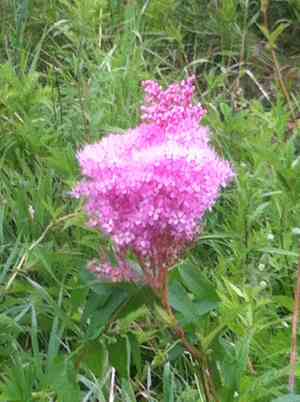
Filipendula rubra is most effectively multiplied by dividing its clumps, preferably during the spring or fall seasons. This propagation method can present a moderate challenge; nevertheless, indicators of success encompass the emergence of fresh sprouts and well-developed root structures. Sustaining appropriate hydration levels is crucial for achieving successful propagation.
Optimal Period for Queen Of The Prairie Propagation
Propagation Method
Splitting
Propagation Period
Spring, Autumn
Equipment for Queen Of The Prairie Propagation
Sharp Spade or Horicultural Knife
A keen spade or a horticultural blade is vital for separating the root mass of queen of the prairie. These implements enable precise cuts, minimizing harm to the roots and ensuring robust divisions. The blade's sharpness is particularly advantageous for cleanly severing the dense root clumps that queen of the prairie forms, which is critical for lessening plant stress and fostering quicker recovery post-division.
Garden Forks
Garden forks are utilized to carefully lift and detach the root clumps of queen of the prairie from the earth. Their tines are designed to effortlessly penetrate the soil and gently disentangle the roots without causing undue damage. This tool is beneficial for loosening the soil surrounding the roots, reducing root disturbance and breakage during the division process.
Watering Can or Hose with a Gentle Spray Setting
Consistent and mild irrigation is required immediately following the propagation of queen of the prairie via division. A watering can or hose with a soft spray setting helps to supply moisture to the newly separated plants without eroding the soil or harming the delicate root systems. Sufficient watering aids in the establishment of the divisions and lessens transplant shock.
Planting Pots with Well-Draining Soil
When dividing queen of the prairie, it might be necessary to pot some divisions before relocating them to their permanent spot. Planting containers filled with well-draining soil offer a suitable environment for root development. The good drainage of the soil prevents waterlogging, which is important as queen of the prairie prefers moist but not excessively saturated soil conditions.
Rooting Hormone (Optional)
While not always essential, the application of a rooting hormone can boost the success rate of queen of the prairie divisions. This specialized aid stimulates root growth in the separated sections, increasing the likelihood of successful plant establishment. Rooting hormone can be applied to the cut surfaces prior to planting to encourage vigorous root development and shorten the time needed for the plant to recuperate from division.
How to Propagate Queen Of The Prairie?
Propagation Type
Division
Difficulty Level
Easy
How to Care for Your Newly Propagated Queen Of The Prairie?
How to Care for Your Newly Propagated Queen Of The Prairie?
Post-propagation care for queen of the prairie involves consistent watering, especially during dry spells, to keep the soil uniformly moist but not waterlogged. Fertilize queen of the prairie in early spring with a balanced, slow-release feed, and remove spent blooms if desired to encourage further flowering. Monitor for pests and diseases, treating as necessary. As a herbaceous perennial, queen of the prairie will die back in winter; cut back the dead foliage in late autumn or early spring. Divide queen of the prairie every few years to maintain vigor and manage its spread.
Common Mistakes to Avoid When Propagating Queen Of The Prairie
Overwatering
When attempting to propagate queen of the prairie, gardeners often assume that more water promotes faster root development. However, excessive moisture can lead to root rot and fungal growth, which can hinder or even prevent rooting.
Deep planting
Some might plant the cuttings or divisions of queen of the prairie too deeply, believing it will provide greater stability. This can actually suffocate the new roots and reduce oxygen availability, impeding proper growth.
Neglecting root space
In propagation, especially when dividing, failing to provide adequate space for the root system can restrict the growth of queen of the prairie. Crowded roots can stunt growth and diminish overall plant vitality.
Ignoring plant health
Propagating from unhealthy specimens of queen of the prairie can result in poor outcomes. Diseased or weak parent plants are less likely to yield successful propagates, as the new plants inherit their condition.
Tips For Propagating Queen Of The Prairie
Rooting hormone
Applying a rooting hormone to the cuttings of queen of the prairie can stimulate quicker and more robust root development, leading to higher propagation success rates.
Well-draining soil
Utilizing a well-draining soil mix can prevent waterlogging, ensuring the necessary balance of moisture and aeration for the roots of queen of the prairie to flourish.
Gentle handling
When dividing queen of the prairie, it's crucial to handle the root system gently to minimize stress and damage, which can negatively impact the plant's ability to establish in a new location.
Aftercare
Providing appropriate aftercare, including the correct balance of water and sunlight and protecting queen of the prairie from extreme conditions, is vital to ensure the health and growth of new plants post-propagation.



