How Much Sunlight Do Queen of the prairie Need?
1
Filipendula rubra flourishes optimally in locations receiving a minimum of 6 hours of direct sun each day.
2
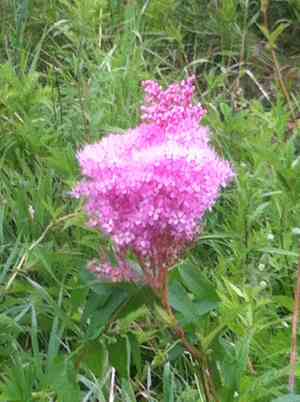
Adequate sun exposure aids Filipendula rubra in developing its vivid, feathery pink flowers.
3
Some shade is acceptable, but insufficient light might impede the plant's development and bloom production.
Ideal Light Conditions for Queen of the prairie
Ample Sun Exposure
The Queen of the prairie flourishes best with ample sun exposure. This means receiving direct sunlight for at least six hours daily. Under these conditions, the plant achieves peak growth, displaying its beautiful pink flower clusters and strong foliage. Providing sufficient direct sunlight is vital for its vibrant look and overall health.
Tolerance for Some Shade
While full sun is preferred, the Queen of the prairie can endure some shade. If your garden lacks constant full sun, the plant can still survive and grow in areas with less light. However, expect less abundant flowering in shadier spots. Partial shade should ideally occur during cooler parts of the day, allowing ample natural light during peak sun hours.
Daily Sunlight Duration
For the most vigorous growth and abundant blooms, aim to give your Queen of the prairie 6 to 8 hours of sunlight each day. More than 8 hours is excellent, especially in cooler climates. If planting in a region with intense summer heat, it's crucial to observe the plant to prevent sunburn or excessive moisture loss.
Consequences of Insufficient Sunlight for Queen of the prairie
Decreased Bloom Production
One clear effect of inadequate sunlight on the Queen of the prairie is reduced flowering. The plant's capacity to produce its striking, fluffy pink blooms largely depends on available sunlight. Without enough sun, the blooming process can be hampered, leading to fewer and less vibrant flowers. Proper sun exposure is key to enjoying its full floral display.
Feebler Growth Habits
Insufficient sunlight can also result in weaker growth patterns for the Queen of the prairie. Stems might become elongated and spindly, stretching for light and losing stability. Such growth makes the plant more vulnerable to diseases and pests. Ensuring ample sunlight helps it maintain a robust, upright growth, contributing to its overall resilience and well-being.
Strategies to Optimize Sunlight for Queen of the prairie
Optimal Planting Locations
Choosing the correct planting spot is essential for maximizing sunlight for the Queen of the prairie. Select an open garden area that receives full sun throughout the day. If near structures or trees, ensure they don't cast significant shadows over the plant. Raised garden beds or south-facing slopes can also provide better light exposure.
Preventing Shade from Nearby Plants
When planting the Queen of the prairie, consider the size and growth habits of adjacent plants. Taller plants or dense foliage nearby can block sunlight, reducing the amount of sun reaching your Queen of the prairie. Thoughtfully placing shorter plants or those with sparse leaves around it can help ensure it gets unobstructed sunlight.
Utilizing Reflective Ground Cover
Employing reflective mulch can be an effective method to boost sunlight for your Queen of the prairie. Reflective mulch redirects light back towards the plant, increasing overall light exposure. This is especially useful in partially shaded garden areas or when sunlight is less intense. It also aids in retaining soil moisture.
Seasonal Light Considerations for Queen of the prairie
Summer Sun Intensity
During summer, sunlight intensity increases, which can be both beneficial and challenging for the Queen of the prairie. While it thrives in full sun, you must monitor its water needs as high temperatures can dry out the soil faster. Applying mulch around the plant's base can help retain moisture and keep roots cool.
Winter Dormancy and Light Needs
In winter, the Queen of the prairie enters dormancy and requires less light. This is a period of rest and recovery for the plant. During this time, focusing on sunlight is less critical, but ensuring its location will receive adequate sun in spring is vital for the upcoming growth season.
Spring and Autumn Transitions
Spring and autumn are transitional periods for the Queen of the prairie. As days lengthen in spring, the plant emerges from dormancy and prepares for the growing season. Ensuring it receives increasing sunlight helps initiate growth. In autumn, as days shorten, the plant begins to slow down. Proper sunlight during these times supports a healthy seasonal transition.



