How to Overwinter Queen of the prairie
1
Queen of the prairie tolerates cold well, making it ideal for cooler regions with little need for extra care.
2
Trimming leaves and applying mulch are essential for winterizing Queen of the prairie.
3
Periodically assess soil dampness and look for insects to keep your plant thriving during the colder months.
Why Overwintering is Important for Queen of the prairie
Why Overwintering is Important for Queen of the prairie
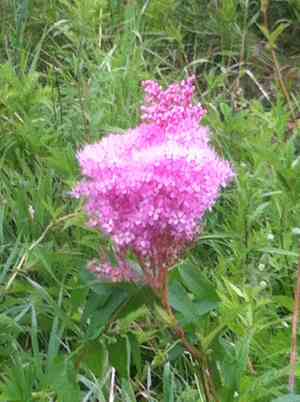
Overwintering is a vital process to ensure your Queen of the prairie (Filipendula rubra) flourishes annually. This perennial, known for its tall stalks and fluffy pink blooms, can be a garden highlight. However, it requires specific care to endure harsh winter months. Proper overwintering protects it from frost, maintains soil moisture, and guarantees optimal conditions for spring growth.
Preparing Queen of the prairie for Winter
Cutting Back Foliage
As the initial frost nears, it's crucial to trim back the foliage of Queen of the prairie. Cut stems to approximately 15 centimeters (6 inches) above the ground. This reduces the plant's exposure to severe weather and minimizes rot and disease. Use clean, sharp gardening shears to prevent plant damage.
Mulching the Soil
Mulching is another key step in readying your Queen of the prairie for winter. Apply a thick layer of organic mulch, about 5-7 centimeters (2-3 inches) deep, over the soil. This insulates, helping regulate soil temperature and retain moisture. Straw, wood chips, or shredded leaves are excellent mulch choices.
Watering Needs
Queen of the prairie has specific watering requirements as it enters dormancy. Ensure the soil is well-hydrated before freezing to prevent root desiccation. However, avoid overwatering, as soggy soil can cause root rot. A moderate amount, roughly 2.5 centimeters (1 inch) weekly, should suffice.
How to Protect Queen of the prairie from Frost
Frost Blankets and Covers
Frost blankets and covers offer an additional layer of protection for Queen of the prairie. Available at most garden centers, they shield plants from extreme cold. Simply drape the blanket over your plants at night when frost is likely, removing it during the day for sunlight exposure.
Using Cold Frames
For enhanced protection, consider cold frames. These transparent, hinged covers sit on the ground, enclosing your plants. Cold frames create a micro-environment several degrees warmer than outside, safeguarding Queen of the prairie from frost. They are especially useful in regions with severe winters.
Relocating Potted Plants
If you cultivate Queen of the prairie in pots, moving them is the best winter protection. Transfer pots to a sheltered spot, like a garage, basement, or greenhouse. Ensure the location has some light and moderate temperatures. This minimizes freezing risk and keeps plants dormant yet healthy.
Monitoring Queen of the prairie During Winter
Checking Soil Moisture
Regularly check soil moisture throughout the winter months. The soil should be damp but not waterlogged. Overly dry soil can harm roots, while excessively wet soil can lead to rot. A moisture meter is a useful tool for accurate soil water content measurement.
Watching for Pest Damage
Even in winter, pests can threaten your Queen of the prairie. Look for signs of insect damage, such as chewed leaves or stems. If pests are found, treat the area immediately with eco-friendly pest control to prevent further harm.
Inspecting Plant Health
Regularly examine your plant for signs of disease or stress. Watch for discoloration, wilting, or mold. Address any issues promptly to ensure your Queen of the prairie stays healthy through winter and is ready to thrive in spring.
Reviving Queen of the prairie in Spring
Gradual Exposure to Sunlight
As the weather warms, slowly reintroduce your Queen of the prairie to sunlight. Begin with morning sun and gradually extend the duration over one to two weeks. This helps the plant adapt to warmer temperatures and more intense light.
Feeding and Fertilizing
In early spring, begin feeding your Queen of the prairie to encourage vigorous growth. Use a balanced, slow-release fertilizer to provide essential nutrients. Apply according to manufacturer's instructions, ensuring you do not over-fertilize, which can harm the plant.
Pruning and Shaping the Plant
Spring is the perfect time to prune and shape your Queen of the prairie. Remove any dead or damaged stems and shape the plant as desired. Pruning stimulates new growth and keeps the plant neat and attractive.



