How to Transplant California buckwheat?
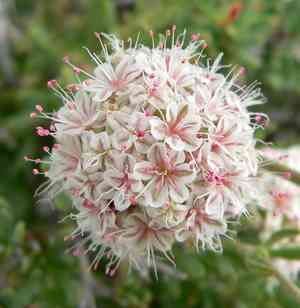
Introduce california buckwheat to new locations as the lively period of early to mid-spring commences. The increasing warmth of this time encourages strong root development. Choose sunny, adequately draining sites and, if necessary, gradually adjust california buckwheat to prevent transplant shock.
What Preparations are Needed Before Transplanting California Buckwheat?
What is the Ideal Time for Transplanting California Buckwheat?
Early to mid-spring marks the optimal period for relocating california buckwheat. During this time, moderate temperatures and increased daylight hours create an ideal setting for root development, giving california buckwheat a strong start before the intense summer heat. Moving your california buckwheat during this window encourages a robust root system, leading to healthier growth and more resilient plants. By selecting this favorable transplanting season, you are setting california buckwheat up for success, ensuring a lush and vibrant garden you can be proud of.
How Much Space Should You Leave Between California Buckwheat Plants?
First, select an open area for california buckwheat. With an ideal spacing of 2-3 feet (0.6-0.9 meters) between each plant, you'll ensure every california buckwheat has ample room to grow and flourish.
What is the Best Soil Mix for California Buckwheat Transplanting?
Next, prepare the soil. For california buckwheat, it's best to use well-draining soil, as this plant thrives in it! Incorporate some base fertilizer to give your plant an excellent start.
Where Should You Relocate Your California Buckwheat?
When selecting the transplanting site for california buckwheat, sunlight is crucial. Find a location where the plant will receive full sun to partial shade. Happy gardening!
What Equipments Should You Prepare Before Transplantation California Buckwheat?
Gardening Gloves
These are vital for protecting your hands while handling soil and plants.
Shovel or Spade
You'll need a shovel or spade to dig up the california buckwheat plant without harming its roots.
Hand Trowel
This tool is used for excavating smaller holes in the ground to place the plant.
Bucket or Container
Utilize this to transport the california buckwheat plant to its new location.
Watering Can or Hose
To hydrate the california buckwheat plant both before and after relocation.
Mulch
This is applied to cover the soil around the plant post-transplantation to retain moisture and inhibit weed growth.
Stake and Tie
You might need these to support the plant initially if it is larger.
Biodegradable Root Pots
If the california buckwheat plant is small, changing pots minimizes transplant shock.
How Do You Remove California Buckwheat from the Soil?
How Do You Remove California Buckwheat from the Soil?
From Ground: First, water the california buckwheat plant to moisten the surrounding soil. Loosen the soil and dig a wide trench around it using a shovel or spade, ensuring the root ball remains intact. Carefully work the spade beneath the root ball to lift the plant from its original spot. Place it in a bucket or container for transport. Be gentle when handling the root ball to avoid damaging the roots.From Pot: Water the california buckwheat plant so the soil is slightly damp. Turn the pot sideways and gently tap it to help release the plant. Avoid pulling the plant forcefully to prevent root damage.From Seedling Tray: When the california buckwheat seedlings have two sets of leaves and are robust enough to handle, they can be transplanted. Gently remove the seedlings from the tray, being careful not to harm the delicate roots. Carry it to the transplant area with minimal exposure.
Step-by-Step Guide for Transplanting California Buckwheat
Digging Hole
Select the appropriate spot and dig a hole in the ground wider and slightly deeper than the root ball of the california buckwheat plant.
Positioning
Place the california buckwheat plant in the center of the hole. The top of the root ball should be slightly above the surrounding soil level. This allows for settling and ensures the plant isn't planted too deeply.
Backfill
Refill the hole with the same soil you removed. Gently firm the soil around the base of the plant to secure it.
Watering
Water the area thoroughly to settle the soil and eliminate any air pockets. Create a watering well or basin around the base to help direct water to the roots.
Mulching
Apply a thin layer of mulch around the california buckwheat to help retain moisture and suppress weed growth. Just ensure the mulch does not touch the stem of the plant as this can lead to decay.
How Do You Care For California Buckwheat After Transplanting?
Watering
For the initial few weeks after transplanting, keep the california buckwheat plant consistently moist. Be careful not to overwater, however; it should not be soggy.
Protecting
If the days are particularly hot or cold after transplanting, the california buckwheat plant might benefit from a temporary protective covering.
Checking
Regularly inspect the california buckwheat plant. If it shows signs of wilt or discoloration, it might be due to transplant shock. Continue to water regularly, and if conditions don't improve, you could consider using a plant recovery treatment product.
Pruning
Resist the urge to prune the california buckwheat for a while to allow it to focus its energy on developing new roots. Once established, you can prune to encourage fresh growth.
Support
If the california buckwheat is larger, use a stake and tie to support it until it's securely rooted and steady.
Troubleshooting Common Issues with California Buckwheat Transplantation.
What's the ideal time of the year to transplant california buckwheat?
Your best option is to transplant california buckwheat between seasons 1 and 2 (S1-S2). This ensures the plant has a good opportunity to settle in and adapt to its new location.
How far apart should I space my california buckwheat plants when transplanting?
To encourage healthy growth, ensure to give california buckwheat a space of 2-3 feet (approximately 0.6-0.9 meters) apart. This spacing allows for optimal growth and expansion.
Do I need to condition the soil before transplanting california buckwheat?
Yes, make sure the soil is well-draining. California buckwheat dislikes 'wet feet'. You can improve soil drainage by adding coarse sand or grit before planting.
How deep should I plant california buckwheat during transplanting?
Plant california buckwheat at the same depth it was in its original pot. This means the top of the root ball should be level with the soil surface.
What is the optimum size of the hole for transplanting california buckwheat?
The hole should be approximately twice the width and the same depth as the root ball. This space helps the roots to spread out easily.
How should I handle the california buckwheat when removing from the original container for transplanting?
Gently remove california buckwheat from its original container, ensuring not to damage the root system. Handle the plant by the root ball and not the stems.
How much water should I give california buckwheat after transplanting?
Water california buckwheat thoroughly after transplanting, then allow the soil to dry out between waterings. Overwatering can lead to root rot, so avoid keeping the soil constantly damp.
How soon after transplanting should I fertilize california buckwheat?
Allow california buckwheat to settle for a few weeks post-transplantation before applying a balanced organic fertilizer. Fertilizing too soon can stress the plant.
Can I transplant california buckwheat in a spot with direct sunlight?
California buckwheat prefers full sun to partial shade. Therefore, choose a spot with sufficient sunlight but not excessively hot reflections off cement or gravel.
Can I transplant california buckwheat if I see signs of disease or pests?
Not recommended. Address any disease or pest issue first before transplanting california buckwheat. Moving a stressed plant can worsen the problem and hinder recovery.



