Enhancing Your Garden Design with the California buckwheat Plant: A Landscaping Guide
1
California buckwheat is a superb option for drought-tolerant garden designs.
2
California buckwheat draws in helpful insects and provides for native fauna.
3
Incorporating California buckwheat into your outdoor space can enhance species variety and environmental well-being.
Introducing California Buckwheat for Landscaping
Overview of California buckwheat's features for garden design
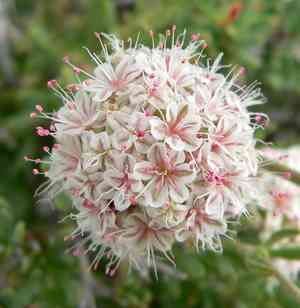
When selecting plants for your outdoor space, California buckwheat stands out due to its distinct and beneficial attributes. This adaptable plant, recognized for its thick clusters of small, white to pink blossoms and its capacity to flourish in diverse soil types, offers a robust option for gardeners. Its compact branching and resilient foliage not only provide year-round greenery but also introduce a dynamic texture to the landscape. California buckwheat is particularly noted for its hardiness, as it readily adapts to arid and rocky environments, making it an ideal choice for low-maintenance landscaping.
The ecological advantages of integrating California buckwheat into your garden
Beyond its visual appeal, California buckwheat provides significant ecological benefits. This indigenous plant plays a vital role in supporting local ecosystems. It attracts essential pollinators such as bees and butterflies, which are crucial for the reproduction of numerous plant species. Furthermore, California buckwheat helps prevent soil erosion with its extensive root system, stabilizing the ground and preserving the integrity of your gardenâs soil structure. By including California buckwheat in your garden, you contribute to local biodiversity and create a more sustainable and resilient outdoor area.
Why Select California Buckwheat for Your Garden?
Drought tolerance and minimal water requirements
One of the key attributes of California buckwheat is its exceptional drought resistance. If you reside in an area prone to dry spells or aim to reduce your water consumption, California buckwheat is an excellent option. It can withstand extended periods of drought without significant damage, thanks to its deep root system that accesses subterranean moisture reserves. By planting California buckwheat, you can maintain a lush and vibrant garden while conserving water, making it both environmentally friendly and economical.
Pest and disease resilience of California buckwheat
Another compelling reason to choose California buckwheat is its natural resistance to pests and diseases. Unlike many other garden plants that may require regular application of pesticides and fungicides, California buckwheat is remarkably robust. Its ability to thrive without the need for chemical interventions means fewer maintenance issues and a healthier environment for you and local wildlife. This resilience makes California buckwheat a dependable and strong component of any home garden, reducing the time, money, and effort spent on plant care.
Design Concepts with California Buckwheat
Incorporating California buckwheat in rock gardens and arid landscapes
Rock gardens and dry landscapes are gaining popularity due to their beauty and minimal upkeep. California buckwheat integrates seamlessly into these environments. Its adaptable nature allows it to grow in rocky soil, and its compact growth habit makes it perfect for filling spaces between rocks and boulders. The delicate flowers of California buckwheat contrast beautifully with the rugged textures of stone, creating an appealing visual harmony. This combination not only enhances the aesthetic value of your garden but also ensures it remains easy to care for throughout the year.
Combining California buckwheat with other native plants for visual appeal
To create a visually stunning and ecologically balanced garden, consider pairing California buckwheat with other native plants. Mixing California buckwheat with plants that have different bloom times and foliage textures can result in a dynamic and ever-changing garden display. For instance, combine California buckwheat with colorful wildflowers or contrasting foliage plants to create layers of texture and color. This approach not only boosts the garden's visual appeal but also ensures diverse habitat offerings for local wildlife throughout the seasons.
Maintaining California Buckwheat in Your Landscape
Essential practices for healthy California buckwheat plants
Caring for California buckwheat in your garden is relatively simple. Begin by planting it in well-draining soil and a sunny spot, as it thrives in full sun. Regularly check the soil moisture, especially during the plantâs initial establishment phase. While California buckwheat is drought-tolerant, it's beneficial to water it occasionally during extended dry periods. Pruning is minimal but can be done to shape the plant and remove any dead or diseased stems, ensuring continuous healthy growth.
Seasonal considerations for optimal development
Each season presents distinct requirements for maintaining California buckwheat. In spring, you might need to prune lightly to encourage new growth and manage plant size. Summer is the time to monitor water needs, ensuring the soil doesnât become excessively dry. In fall, consider applying a thin layer of mulch to insulate the roots as winter approaches. Winter care is minimal, but observing the plant for any weather-related stress is advisable. These seasonal practices ensure that California buckwheat remains vibrant and healthy year-round.
Environmental Impact of Using California Buckwheat
Contributing to local biodiversity with California buckwheat
Integrating California buckwheat into your garden positively influences local biodiversity. As an indigenous plant, it provides habitat and sustenance for a variety of insects and animals, contributing to a balanced and healthy ecosystem. By planting California buckwheat, you enhance the genetic diversity of plant species in your area, which is crucial for the resilience of local plant communities against diseases and changing climatic conditions. This simple addition to your garden can have a ripple effect, bolstering biodiversity in larger landscapes.
How California buckwheat supports local wildlife
Finally, California buckwheat is a valuable resource for local wildlife. Its flowers are a nectar source for bees, butterflies, and other pollinators, while its seeds provide food for birds and small mammals. The dense foliage offers shelter and nesting sites, creating a safe haven for various creatures. By including California buckwheat in your garden, you not only contribute to the aesthetic value of your landscape but also play a vital role in supporting and sustaining local wildlife populations.



