How Much Sunlight Do California buckwheat Need?
1
California buckwheat flourishes with ample sunlight, needing a minimum of 6 hours of direct sun each day.
2
Shaded conditions can negatively affect the bloom and general well-being of California buckwheat.
3
Modify care routines if your California buckwheat exhibits indications of sun damage or insufficient light.
The Importance of Sunlight for California Buckwheat
Photosynthesis and Development
Sunlight is vital for California buckwheat as it powers photosynthesis, the process where plants convert light energy into chemical energy. This conversion is crucial for the plant's growth and maturation. Without sufficient sunlight, California buckwheat cannot produce necessary nutrients, leading to stunted development and weaker plants.
Blooming and Seed Production
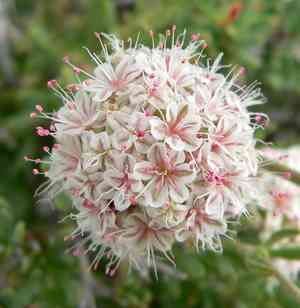
California buckwheat is known for its attractive white to pink blossoms, which attract pollinators. These flowers require ample sunlight to bloom properly. Adequate sunlight not only encourages more abundant flowering but also boosts seed production, ensuring the plant's propagation and longevity.
Overall Plant Vigor
The general health of California buckwheat largely depends on its access to sunlight. Sunlight strengthens the plant's immune system, making it more resistant to diseases and pests. Additionally, it helps California buckwheat maintain its sturdy structure, vibrant foliage, and extends its lifespan.
Ideal Sunlight Conditions for California Buckwheat
Full Sun Requirement
California buckwheat thrives in full sun conditions, meaning it needs direct sunlight for most of the day. This resilient plant is well-suited to environments that offer unobstructed sunlight, making it perfect for gardens, meadows, and rocky hillsides where it can soak up the sun.
Daily Sunlight Duration
To flourish, California buckwheat should receive at least 6 hours of sunlight daily. Ideally, it benefits from 8 to 10 hours of full sun. This amount of light ensures the plant can perform photosynthesis efficiently, leading to vigorous growth and abundant blooms.
Optimal Planting Sites
When planting California buckwheat, choose locations that provide uninterrupted sunlight throughout the day. South-facing areas are often the best spots as they receive the most consistent sunlight. Avoid planting near tall structures or dense foliage that could cast shadows and limit the plant's sun exposure.
Can California Buckwheat Endure Partial Shade?
Understanding Partial Shade
Partial shade areas receive 3 to 6 hours of sunlight daily, which is less than the full sun requirement. While California buckwheat is adaptable, consistently growing in partial shade can present challenges to its overall health and flowering capabilities.
Shade's Impact on Growth
When California buckwheat is exposed to partial shade, it might exhibit slower growth rates and fewer flowers. The limited light reduces its ability to perform photosynthesis optimally, leading to less vibrant foliage and potentially weaker plants overall.
Care Adjustments for Shaded Plants
If you must grow California buckwheat in partially shaded areas, certain adjustments can help. Regularly rotate pots or modify garden layouts to maximize exposure. Additionally, maintaining well-draining soil and reducing water can help compensate for increased humidity and lower light levels.
Seasonal Sunlight Fluctuations
Sunlight Changes Throughout Seasons
As seasons change, so does the availability of sunlight. In winter, California buckwheat may receive significantly less light compared to summer. Understanding these variations is crucial to adjust care routines accordingly.
Adapting to Summer and Winter Light
During summer, ensure California buckwheat remains well-watered as extended daylight can increase the plant's water needs. In winter, focus on keeping the soil well-draining to prevent root rot due to decreased sunlight and higher moisture retention.
Protection Against Sunburn
Even sun-loving plants like California buckwheat can suffer from sunburn if exposed to extremely intense light. Ensure gradual exposure to intense sunlight, especially after cloudy days, to prevent leaf burn. Using shade cloths can offer protection during exceptionally sunny periods.
Signs California Buckwheat Needs More or Less Sunlight
Indicators of Insufficient Sunlight
If California buckwheat isn't getting enough sunlight, look for signs like yellowing leaves, elongated stems, and sparse flowering. Such symptoms indicate the plant is stretching towards light sources and struggling to perform photosynthesis efficiently.
Symptoms of Overexposure
Conversely, too much sunlight can result in scorched leaves, browning edges, and wilting during peak sunlight hours. If these signs appear, consider providing temporary shade to help the plant recover.
Balancing Light for Optimal Health
Achieving a balanced light environment is key for California buckwheat. Regularly assess the plant's positioning, and monitor it for signs of distress. Adjusting its location or providing seasonal care can significantly enhance its health and flowering potential.



