How to Propagate California buckwheat?
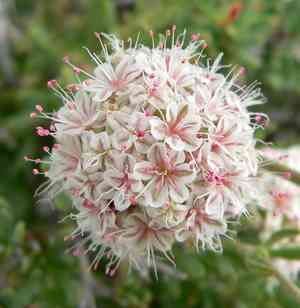
California buckwheat reproduces most effectively by planting seeds in the spring. Typically regarded as simple to propagate, indicators of success include the appearance of fresh sprouts and foliage. Provide soil with good drainage and sufficient sunlight for peak development.
Optimal Time for California Buckwheat Propagation
Propagation Method
Seeding
Propagation Period
Spring
Tools Required for California Buckwheat Propagation
Seed trays or flats
Seed trays or flats offer an organized area for planting seeds, featuring shallow compartments ideal for the small seeds of california buckwheat. They ensure proper spacing and depth, aiding in uniform germination.
Fine seed-starting potting mix
A well-draining, fine-textured potting mix is crucial for california buckwheat seeds to prevent damping-off. A sterile, nutrient-balanced blend supports robust root development and seedling growth.
Misting bottle
A misting bottle gently irrigates california buckwheat seeds and seedlings, providing moisture without disturbing the soil or dislodging tiny seeds. It helps maintain ideal humidity for germination.
Plastic dome or cover
A clear plastic dome or cover fits over the seed tray, creating a miniature greenhouse effect. It aids in retaining warmth and moisture, vital for the germination of california buckwheat seeds.
Grow lights
Grow lights ensure california buckwheat seedlings receive the appropriate light spectrum and intensity needed, especially when natural sunlight is insufficient, promoting vigorous growth.
Heating mat
For seeds with specific temperature needs like california buckwheat, a heating mat provides consistent bottom heat, which can be essential for successful germination, particularly in cooler settings.
Tweezers
Using tweezers to handle and place the small seeds of california buckwheat allows for precise sowing, minimizing seed damage and ensuring correct positioning within the growing medium.
Labels and marker
Labels and a waterproof marker are used to clearly identify seed trays containing california buckwheat seeds, preventing confusion and assisting in monitoring germination and growth progress.
How to Propagate California Buckwheat?
Propagation Type
Sowing
Difficulty Level
Easy
Caring for Your Newly Propagated California Buckwheat
Caring for Your Newly Propagated California Buckwheat?
Post-propagation, ensure california buckwheat is planted in a location with full sun and excellent drainage. Water thoroughly but infrequently, allowing the soil to dry between waterings. California buckwheat is drought-tolerant and requires minimal watering once established. Avoid fertilizers, as california buckwheat thrives in poor soils, and extra nutrients can be harmful. As a native plant, california buckwheat needs little care and is adapted to its local environment.
Common Propagation Mistakes to Avoid with California Buckwheat
Overwatering
Excessive water can lead to root rot, especially since california buckwheat thrives in well-draining soil and is drought-tolerant. Overwatering is a frequent error that can severely impact the plant's health and hinder successful propagation.
Using poorly drained soil
Selecting a soil mix that retains too much moisture can cause california buckwheat roots to become waterlogged, leading to fungal diseases and stunted growth, as california buckwheat prefers dry conditions.
Excessive fertilization
California buckwheat does not require high nutrient levels. Over-fertilizing can result in rapid, weak growth that is more vulnerable to pests and diseases, contrary to the hardy nature of california buckwheat.
Ignoring root space
Planting california buckwheat without considering adequate spacing or container size can lead to overcrowded roots, which can inhibit growth and affect the overall success of propagation.
Tips For Propagating California Buckwheat
Soil preparation
Ensure a gritty, well-draining soil mix is used to mimic california buckwheat's natural arid habitat, which will encourage healthy root development and prevent water retention issues.
Cutting selection
When propagating california buckwheat via cuttings, choose healthy, non-flowered stems for higher success rates. Cuttings should be taken from vigorous plants to maximize their rooting potential.
Moderate watering
Initial watering should be moderate to establish cuttings or seeds, but once established, california buckwheat should be watered sparingly. This mimics the natural drought conditions the plant is adapted to and promotes stronger root systems.
Hardening off seedlings
Gradually acclimate california buckwheat seedlings to outdoor conditions by hardening them off. This reduces shock from sudden environmental changes, strengthening the plants for successful transplantation.
Temperature and humidity
Maintain ambient temperatures and low humidity when propagating california buckwheat, as it is suited to the warm and dry climate typical of its native range. Excessive humidity can foster disease, which california buckwheat is not accustomed to.



