The California buckwheat Plant Advantage: Maximizing Home and Office Appeal and Wellness
1
California buckwheat flourishes in arid, sandy ground and needs little irrigation.
2
This flora benefits native fauna, offering sustenance to pollinators.
3
It aids in preventing soil degradation, making it an excellent option for landscaping.
What Are the Ecological Advantages of California Buckwheat?
Supports Local Wildlife
California buckwheat serves as an excellent option for gardeners aiming to draw in and sustain native fauna. Its blossoms yield abundant nectar, making it a preferred food source for pollinators such as bees and butterflies. This not only boosts your garden's biodiversity but also aids the health of local ecosystems, which depend on these pollinators for plant reproduction.
Aids in Soil Preservation
A primary advantage of California buckwheat is its contribution to soil conservation. The plant's intricate root system helps stabilize the earth, significantly reducing erosion. This makes it an optimal choice for planting on inclines or areas susceptible to soil degradation. It can act as a natural barrier against wind and water erosion, helping to maintain soil integrity and fertility.
How Does California Buckwheat Enhance Garden Appeal?
Adds Visual Charm
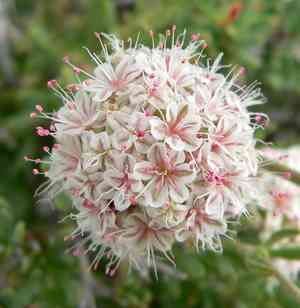
With its graceful stems and clusters of tiny blooms, California buckwheat introduces a distinct visual element to any garden. The plant's flowers come in hues ranging from white to pink and even a rusty orange, providing a color palette that can complement other plants in your garden. Its natural form and year-round presence make it a charming focal point or a complementary background plant.
Effortless Beauty
A key reason gardeners appreciate California buckwheat is its minimal upkeep needs. This drought-resistant plant thrives with little water, making it perfect for xeriscaping or gardens in arid climates. It requires infrequent trimming, and its resilience to pests and diseases means it doesn't demand intensive care. This plant offers natural beauty without constant attention, making it a favorite for both new and experienced gardeners.
What Are the Practical Benefits of California Buckwheat for Gardeners?
Water Efficiency
California buckwheat is particularly well-suited to dry, sandy soils and low-water conditions. This inherent water efficiency makes it an ideal selection for gardeners seeking to conserve water. In regions where drought is a concern, incorporating California buckwheat into your garden can significantly reduce water usage without sacrificing beauty.
Versatile Applications
California buckwheat can be utilized in various landscaping contexts, from ground cover to erosion control on slopes. Its adaptability makes it a versatile option for different garden designs and functions. Whether you need a plant to fill in spaces, create a natural-looking sanctuary, or stabilize a steep area, California buckwheat fits the requirement.
Where Can You Successfully Cultivate California Buckwheat?
Optimal Growing Conditions
California buckwheat prefers a sunny spot with well-drained soil. While it is highly tolerant of poor soil conditions, ensuring adequate drainage and exposure to sunlight will maximize its growth. It can handle a range of temperatures, though it performs best in regions with mild winters.
Companion Planting
When considering companion plants, choose other drought-tolerant species that share similar soil and sunlight needs. Plants like lavender, sage, and various ornamental grasses pair well with California buckwheat, creating a cohesive and sustainable garden environment.
How to Care for California Buckwheat?
Basic Maintenance Guidelines
Caring for California buckwheat is straightforward. Water the plant sparingly, especially once it is established. Pruning is only necessary to maintain its shape or remove dead branches. Fertilization is rarely needed, but if you choose to fertilize, do so sparingly with a low-nitrogen fertilizer.
Pest and Disease Management
California buckwheat exhibits strong resistance to common garden pests and diseases, further reducing maintenance efforts. Regular inspections will help you detect any rare issues early, but overall, this plant's robust nature makes it an easy-care addition to any garden.



