How to Transplant Chenille plant?
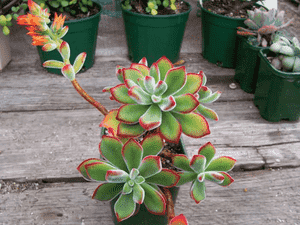
The ideal period for relocating chenille plant is between late spring and early summer, enabling the specimen to become rooted during its prime growth phase. Select a bright, adequately draining spot to foster vigorous development. Carefully loosen the root ball during transplantation to stimulate strong establishment.
Essential Preparations Before Relocating Chenille Plant?
Optimal Period for Transplanting Chenille Plant?
The best time for moving chenille plant is from 'late spring to the start of summer'. This timing allows chenille plant to establish roots and adapt prior to the intense summer heat. Transplanting at this point gives your chenille plant the best possible start, enabling it to thrive throughout the year.
Recommended Spacing Between Chenille Plant Specimens?
For chenille plant, a spacing of 6-12 inches (15-30 cm) between plants is ideal during transplanting. This provides ample room for growth and ensures sufficient light and nutrients.
Preferred Soil Blend for Chenille Plant Transplantation?
To promote robust chenille plant growth, utilize a well-draining soil mixture, such as a cactus or succulent blend. Incorporate a slow-release granular fertilizer, following package directions, to supply necessary nutrients.
Optimal New Location for Your Chenille Plant?
To ensure chenille plant flourishes, select a spot that receives at least 6 hours of bright, indirect sunlight daily. An east or west-facing area with filtered light would be perfect!
Equipment Required Before Transplanting Chenille Plant?
Shovel or Trowel
For excavating soil from the new planting site and creating an appropriate hole for transplanting.
Gardening Gloves
To safeguard your hands from cuts while handling the chenille plant and during digging activities.
Garden Pruner
Used for trimming any damaged roots or leaves both before and after the transplanting process.
Watering Can or Hose
To moisten the soil in the new planting location and for post-transplant irrigation.
Organic Compost
To supply essential nutrients for the recently transplanted chenille plant.
Mulch
To aid in retaining soil moisture following transplantation.
How to Extract Chenille Plant from its Current Soil?
How to Extract Chenille Plant from its Current Soil?
From Ground: Start by gently watering around the chenille plant to moisten the soil. This facilitates easier removal of the plant from the ground without root damage. Using your shovel or trowel, carefully dig around the plant's base, maintaining a safe distance to avoid harming its roots. Gradually work the shovel beneath the root ball and gently lift the plant out.From Pot: If your chenille plant is in a pot, try turning it sideways and lightly tapping the sides. You can also use a trowel to loosen the soil around the edges if the plant is stuck. Then, gently pull it out by grasping the base.From Seedling Tray: If your chenille plant is in a seedling tray, slightly wet the soil and carefully lift the plant by holding its leaves, not the stem. Gently ease out the roots if they are adhered to the tray.
Detailed Instructions for Transplanting Chenille Plant
Preparation
Ensure you select a planting site that meets the criteria discussed in prior sections. Have all your tools ready and organized.
Prepare the Hole
Using your shovel or trowel, dig a hole that is twice as wide and deep as the chenille plant's root ball. Mix some compost into the excavated soil.
Carefully Insert the Plant
Place the chenille plant into the hole, ensuring it sits at the same depth as in its previous container. It should not be too deep or too shallow. Adjust the soil underneath if necessary.
Backfill
Gently backfill the hole with the amended soil, making sure the plant remains upright. Firm the soil around it with your hands without applying excessive pressure.
Water & Mulch
Thoroughly water the chenille plant after transplanting. Once the water has absorbed well, spread a layer of mulch around the base to help maintain soil moisture.
Post-Transplant Care for Chenille Plant?
Water Supply
After transplanting, water the chenille plant gently and regularly, avoiding overwatering, allowing the soil to nearly dry out between waterings.
Pruning
Remove any damaged or yellowing leaves that appear after transplanting. This helps direct energy towards new growth.
Monitoring
Closely observe the chenille plant for any indications of transplant shock, such as wilting or drooping foliage.
Pest & Disease Control
Regularly inspect the plant to detect early signs of pests or diseases. Treat promptly with suitable organic remedies.
Protection
Shield the newly transplanted chenille plant from harsh weather conditions like intense sunlight or heavy rainfall until it is well-established.
Fertilizer Application
Wait a few weeks before applying any fertilizer to allow the plant time to recover from the stress of transplantation.
Addressing Common Issues with Chenille Plant Transplantation.
When is the best time to transplant chenille plant?
The optimal period for transplanting chenille plant is during late spring to early summer.
What distance should I consider while planting multiple chenille plant?
Ensure you plant each chenille plant approximately 6-12 inches (15-30 cm) apart to provide adequate room for growth.
What could result in yellowing of chenille plant leaves during transplantation?
Both excessive and insufficient watering of chenille plant can lead to yellowing leaves. Carefully manage your watering schedule.
Why is the chenille plant wilting post-transplant?
Wilting can occur due to transplant shock. Reduce stress by keeping it in partial shade for a few days.
Is there a special potting mix required for transplanting chenille plant?
Chenille plant thrives in well-drained soil. Use a standard cacti or succulent potting mix for optimal results.
Should I water the chenille plant immediately after transplanting?
Wait a couple of days before watering newly transplanted chenille plant to prevent root rot.
Is direct sunlight suitable for chenille plant after transplantation?
Chenille plant does not tolerate direct sunlight well immediately after transplanting. Keep it in partial sunlight and gradually acclimate it to full sun.
What should be the ideal depth while planting chenille plant?
Plant chenille plant at the same depth it was in its previous container. Planting too deep or too shallow can hinder its growth.
Why is chenille plant not showing new growth after transplantation?
It is normal for chenille plant to temporarily cease growth after transplanting as it adjusts to its new environment. Patience is crucial!
What should I do if the chenille plant shows signs of disease after transplanting?
Limit water, remove affected parts, and use fungicides. If the disease persists, consider re-transplanting into fresh, disease-free soil.



