The Chenille plant Plant Advantage: Maximizing Home and Office Appeal and Wellness
1
The Chenille plant flourishes with ample, diffused light, making it an ideal houseplant.
2
This botanical specimen contributes to purifying the air, enhancing the quality of indoor environments.
3
Renowned for its hardiness and minimal care requirements, the Chenille plant is well-suited for beginner plant enthusiasts.
Why Select Chenille Plant for Your Home Garden?
Visual Appeal
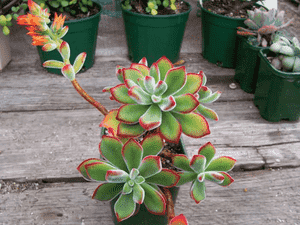
A primary reason to opt for Chenille plant is its undeniable aesthetic charm. This plant showcases fuzzy, silvery-green foliage that offers a distinct texture and look. Its leaves often develop a reddish tint when exposed to ample sunlight, adding a splash of color to your garden. Whether positioned on a windowsill, a desk, or integrated into a larger indoor garden, Chenille plant can serve as a striking focal point.
Effortless Maintenance
Chenille plant is particularly attractive due to its minimal care requirements. This resilient succulent needs infrequent watering, making it an excellent choice for individuals with busy schedules or those new to gardening. The plant thrives in well-draining soil and only requires occasional wateringâtypically once the soil has completely dried out. Excessive watering should be avoided as it can cause root rot. Furthermore, the plant tolerates various lighting conditions, though it prefers bright, indirect sunlight.
Wellness Advantages of Chenille Plant
Air Purification
A lesser-known benefit of Chenille plant is its capacity to enhance indoor air quality. Like many other succulents, Chenille plant aids in filtering harmful pollutants from the air, such as formaldehyde, benzene, and xylene. This makes it an excellent addition to rooms where clean air is essential. By incorporating Chenille plant into your living spaces, you contribute to a healthier environment.
Stress Reduction
The presence of houseplants like Chenille plant has been shown to have a calming effect, helping to alleviate stress and improve overall well-being. The simple act of caring for plants can provide a sense of accomplishment and contribute to a more relaxed atmosphere. The visual appeal of Chenille plant can also foster a more serene environment, making it a perfect addition to spaces designed for relaxation, such as bedrooms and living rooms.
Optimal Practices for Cultivating Chenille Plant
Ideal Soil and Potting
When potting Chenille plant, it is vital to use well-draining soil, ideally formulated for succulents and cacti. This ensures that excess moisture does not accumulate, which can be detrimental to the plant's health. Additionally, selecting a pot with drainage holes is crucial. Repotting is generally only necessary when the plant outgrows its current container, which is usually every couple of years.
Lighting and Temperature
Chenille plant prefers bright, indirect sunlight but can endure lower light conditions. It's best placed near a window with filtered light to prevent the risk of sunburn. As a succulent, Chenille plant is also quite tolerant of varying temperatures but thrives best in a range between 65°F and 80°F. During colder months, it's advisable to keep the plant away from drafty areas or sudden temperature changes to prevent stress.
Common Issues and Solutions When Caring for Chenille Plant
Managing Pests
Although Chenille plant is relatively pest-resistant, it can occasionally be affected by common houseplant pests such as mealybugs and aphids. Regularly inspecting the plant and wiping the leaves can help detect early signs of infestation. If pests are found, natural solutions like neem oil or insecticidal soap can be effective treatments. Maintaining general plant hygiene and avoiding overwatering can significantly reduce the likelihood of pest problems.
Overwatering Concerns
One of the most frequent issues with Chenille plant is overwatering, which can lead to root rot. Signs of overwatering include yellowing leaves and a mushy stem. To prevent this, always allow the soil to dry out completely before watering again. If overwatering does occur, it's crucial to adjust your watering schedule and consider repotting the plant into fresh, dry soil to salvage its health.



