Enhancing Your Garden Design with the Chenille plant Plant: A Landscaping Guide
1
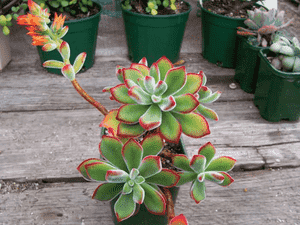
The Chenille plant offers a distinct texture and aesthetic charm to any garden design.
2
Selecting an optimal site is crucial for the Chenille plant's prosperity; ample sunlight and soil that drains well are ideal.
3
Consistent care, including trimming and proper irrigation, ensures the Chenille plant remains robust and lively.
Introducing Chenille Plant in Garden Design
Understanding the aesthetic appeal of Chenille plant
To elevate your garden's beauty, Chenille plant stands out with its distinctive, soft foliage resembling tiny chenille threads. Its fuzzy leaves are not only attractive but also add an intriguing texture, bringing depth and interest to your landscape. This visual charm makes Chenille plant an excellent choice for creating focal points or filling spaces with dynamic, eye-catching greenery.
The role of Chenille plant in sustainable landscaping
Sustainable landscaping is gaining popularity for its environmental benefits, and Chenille plant fits perfectly into this approach. Known for its drought resistance, it needs less water than other garden plants, making it ideal for water-wise gardening. Additionally, Chenille plant supports biodiversity and offers a habitat for beneficial insects. By including it in your landscape, you enhance your space and support an eco-friendly garden.
Selecting the Ideal Spot for Chenille Plant
Assessing sun exposure for peak growth
Chenille plant thrives best in areas receiving ample sunlight. For optimal development, choose a location that gets at least 6 hours of direct sun daily. Full sun promotes vigorous growth and improves the plant's overall health. However, in extremely hot climates, some afternoon shade can prevent scorching.
Considering soil type and drainage
Soil conditions are vital for Chenille plant's health. Well-draining soil is crucial to prevent waterlogging, which can lead to root rot. Sandy or gravelly soils are perfect as they mimic the plant's natural habitat. If your garden soil is heavy or clay-like, amend it with organic matter or sand to improve drainage. Raised beds and containers with drainage holes are also suitable options.
Strategic placement for visual impact
The placement of Chenille plant in your garden significantly affects its visual appeal. Use it as a border plant to create natural edges or integrate it into rock gardens and succulent displays where its texture and color can shine. Grouping several Chenille plants can form a dense, attractive ground cover. Moreover, pairing it with complementary plants can enhance its beauty and provide a balanced, cohesive look to your landscape.
Integrating Chenille Plant with Other Flora
Companion planting suggestions
Effective garden design often relies on a harmonious mix of plants. Chenille plant pairs well with other drought-tolerant species like agaves, sedums, and various succulents. These companions share similar care needs, creating a low-maintenance and visually cohesive garden. Mixing Chenille plant with ornamental grasses can add textural contrast and another layer of visual interest.
Avoiding conflicts with invasive species
When incorporating Chenille plant into your garden, be mindful of invasive species that could overwhelm this delicate plant. Avoid planting aggressive ground covers or fast-spreading grasses that might compete for resources and space. This ensures Chenille plant has ample room to grow and display its natural beauty without being overtaken.
Creating layers in garden design
Layering is a key technique in garden design that adds depth, interest, and a more natural appearance. Position Chenille plant in the middle or front layers of your garden bed. This placement allows its unique foliage to be prominently featured. Surrounding Chenille plant with taller plants behind it and shorter ground covers in front can make your landscape design more dynamic and visually appealing.
Seasonal Considerations for Chenille Plant
Preparing Chenille plant for colder periods
While Chenille plant is relatively resilient, it's important to take precautions during colder months, especially in frosty regions. Consider moving potted Chenille plants indoors or providing protective covers for outdoor plants. Mulching around the base can also help insulate the roots from freezing temperatures. Winter preparation ensures it recovers well in spring.
Flowering cycles and timing
Chenille plant typically blooms in spring and summer, producing small, charming flowers that add another layer of beauty to your garden. To maximize its blooming period, ensure the plant receives adequate sunlight and care leading into these seasons. Removing spent flowers can encourage more blooms, keeping your garden vibrant for longer.
Maintenance Tips for Chenille Plant in Landscapes
Pruning and cleaning recommendations
Regular pruning helps maintain Chenille plant's shape and encourages healthy growth. Remove any dead or damaged leaves to keep the plant looking fresh and vibrant. Cleaning around the plant by removing fallen leaves and debris can prevent pests and diseases, ensuring a healthy growing environment.
Watering strategies for optimal health
Despite its drought-tolerant nature, Chenille plant still requires consistent watering, especially during its active growth season. A thorough watering once the soil dries out is effective. Be careful to avoid waterlogged conditions by ensuring proper drainage. During dormant periods in colder months, reduce watering frequency to prevent root rot.
Fertilizing: what and when?
Fertilizing Chenille plant is beneficial during its active growing season in spring and early summer. Use a balanced, diluted liquid fertilizer every few weeks to provide essential nutrients. Avoid over-fertilizing, as this can lead to leggy growth and reduce the plant's natural hardiness.



