How to Overwinter Chenille plant
1
The Chenille plant is susceptible to frost damage and requires safeguarding from freezing conditions.
2
When grown indoors, position the Chenille plant in a spot receiving ample, filtered sunlight for optimal health.
3
Outdoor Chenille plants can benefit from applying mulch and using protective coverings to insulate them from cold weather.
Understanding Chenille plant and its Climate Needs
Understanding Chenille plant and its Climate Needs
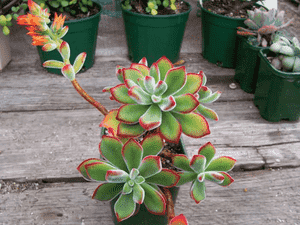
The Chenille plant is a charming succulent, recognized for its soft, chenille-like foliage that adds a distinct texture to any indoor or outdoor garden. Originating from warmer regions, this plant thrives in temperatures ranging from 18-26°C (65-80°F). However, being sensitive to frost, the Chenille plant needs extra attention as winter approaches, especially in areas where temperatures drop below 10°C (50°F). Let's explore how to keep your Chenille plant healthy and vibrant throughout the colder months.
Indoor Care Tips for Overwintering Chenille plant
Ideal Indoor Conditions for Chenille plant
When moving your Chenille plant indoors for winter, it's crucial to replicate its natural habitat as closely as possible. Position it where it can receive bright, indirect sunlight, such as near a south-facing window. Maintain indoor temperatures around 18-24°C (65-75°F), and avoid locations with drafts or sudden temperature shifts.
Watering Needs During Winter
During winter, the Chenille plant enters a dormant phase, meaning its water requirements significantly decrease. Water the plant sparingly, allowing the soil to completely dry out between watering sessions. Typically, watering once every three to four weeks will suffice, ensuring you only water when the top 2-3 centimeters (1 inch) of soil are dry.
Fertilizing Chenille plant in Winter
Reduce or completely cease fertilizing your Chenille plant during the winter months, as its growth slows, and it requires fewer nutrients. Over-fertilizing can lead to nutrient accumulation in the soil, which may harm the plant. Resume fertilization in spring when new growth emerges.
Preventing Pests and Diseases Indoors
Indoor environments can be prone to pests like spider mites and aphids. Regularly inspect your Chenille plant for any signs of infestation. If pests are detected, treat the plant with a mixture of water and mild soap or neem oil. Ensuring good air circulation and avoiding overwatering can also help prevent issues like mold and root rot.
Outdoor Care Tips for Overwintering Chenille plant
Using Mulch to Protect Chenille plant
Applying a layer of mulch around the base of your outdoor Chenille plant can provide insulation against cold temperatures. Use organic mulch such as straw, wood chips, or shredded leaves. Ensure the mulch layer is about 5-8 centimeters (2-3 inches) thick to effectively retain heat and moisture.
Creating Protective Structures
For added protection, consider building a simple shelter using materials like frost blankets, burlap, or even an old sheet. These coverings can shield the Chenille plant from frost and icy winds. Ensure the structure allows for some air flow to prevent moisture buildup, which can lead to mold.
Monitoring Weather and Temperature Fluctuations
Keep a close watch on weather forecasts. If severe frost or snow is anticipated, additional protective measures, such as relocating the Chenille plant to a sheltered spot, might be necessary. Daytime temperatures should be constantly monitored to adjust protective coverings as needed.
Winter Watering Practices
Outdoor Chenille plant requires less frequent watering during winter. However, do not let the soil dry out completely. Water sparingly and only when the soil is dry to the touch about 2-3 centimeters (1 inch) deep. Avoid watering during consistently freezing temperatures to prevent root damage.
Post-Winter Care for Chenille plant
Transitioning Chenille plant Back Outdoors
As temperatures consistently rise above 15°C (59°F), you can begin moving your Chenille plant back outdoors. Gradually acclimate the plant to outside conditions by placing it in a shaded area for a few hours each day, slowly increasing its exposure to direct sunlight over a period of one to two weeks.
Repotting and Refreshing Soil
Post-winter is an excellent time to repot your Chenille plant, especially if it has outgrown its container. Choose a pot with good drainage, and use a well-draining soil mix. Refreshing the soil ensures that the plant has access to vital nutrients for the upcoming growing season.
Pruning and Encouraging New Growth
Prune any dead or damaged leaves to encourage healthy new growth. Use sterilized pruning shears to remove unwanted foliage, making clean cuts just above a leaf node. Pruning not only promotes new growth but also helps in maintaining the plant's shape and size.
Assessing for Damage and Recovery Strategies
Inspect your Chenille plant for any signs of winter damage, such as frostbite or root rot. If the plant appears stressed, provide a diluted dose of balanced fertilizer to boost its recovery. Remove any extensively damaged parts and monitor the plant's progress over the coming weeks.



