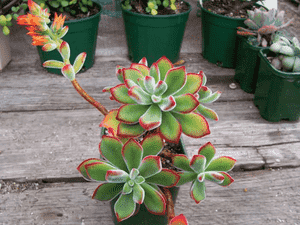
Chenille plant (Echeveria pulvinata)
Also known as: Chenille Plant, Plush Plant, Ruby Blush
The Echeveria pulvinata, commonly known as Chenille Plant, is a sun-loving succulent distinguished by its vivid red, velvet-like coating that shields it from intense sunlight. It is also referred to by names such as Ruby Slippers, Red Velvet, and Ruby Blush. This plant thrives in full sunlight and requires excellent drainage for optimal growth.
In This Article
Attributes of Chenille plant
Lifespan
Perennial
Plant Type
Succulent, Herb
Plant Height
15 cm to 20 cm
Spread
30 cm
Leaf Color
Green Red
Flower Size
1 cm to 5 cm
Flower Color
Yellow Red Orange
Images of Chenille plant
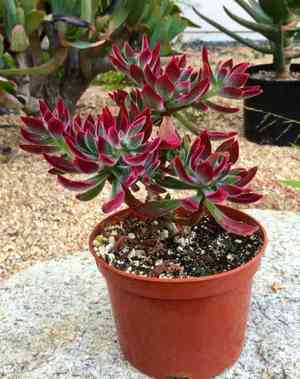
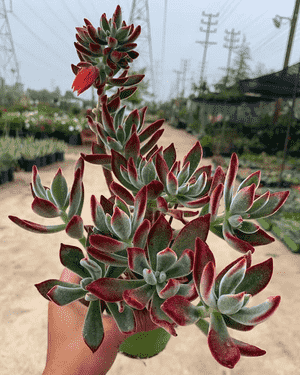
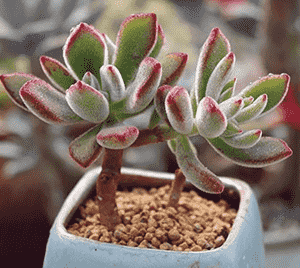
Quickly Identify Chenille plant
1
Echeveria pulvinata can be identified by its densely hairy leaves which give a velvety touch, typically green with red edges. This succulent typically forms rosettes that can grow up to 6 inches in diameter.
Scientific Classification of Chenille plant
Phylum
Vascular plants
Class
Dicotyledons
Order
Saxifrages, stonecrops and allies
Family
Stonecrop
Genus
Echeveria
Species
Chenille plant
Planting and Growing of Chenille plant
Care Difficulty
Easy
Watering Schedule
Every 2 days
Sunlight Requirements
Full sun
Sunshine Duration
6-10 hours
Ideal Temperature
65-75℉
Soil Type
Potting Mix, Peat Mix
Soil pH
6.5-7.5
Fertilizer Type
Balanced
Pruning Season
Spring, Summer
Pruning Area
Branches, Leaves
Pruning Frequency
2 times a year
Repotting Season
Spring
Pot Type
Plastic, Ceramic
 How to Water Chenille plant?
For Echeveria pulvinata, the watering should be detailed and precise. The plant prefers the 'soak and dry' method, meaning you should thoroughly water the soil until excess moisture begins to drain out from the bottom. Ensure each watering session adds about 100 ml of water, checking the soil moisture before each intervention.
More About Watering Techniques→
What are the symptoms of an underwatered Chenille plant?
›
What should I do if my Chenille plant is not getting enough water?
›
What are the symptoms of an overwatered Chenille plant?
›
How to save an overwatered Chenille plant?
›
 What Are the Sunlight Requirements for Chenille plant?
Echeveria pulvinata thrives in partial to full sunlight. Ideal lighting conditions ensure the plant maintains vibrant leaf colors and a compact growth form, which are crucial for its health and ornamental value.
More About Sunlight Requirements Techniques→
What is the best exposure for Echeveria pulvinata?
›
How can I ensure these conditions indoors?
›
What are the benefits of providing ideal lighting conditions?
›
 What Is the Ideal Temperature Range for Chenille plant?
Echeveria pulvinata thrives in a temperature range of 65°F to 75°F. These conditions mimic its native environment, providing optimal conditions for growth and health. Maintaining this range helps ensure the plant receives adequate warmth without the risk of overheating.
 What Soil is Best for Chenille plant?
Echeveria pulvinata thrives in well-draining soil because it prevents root rot by allowing excess water to escape rapidly. This is crucial as it helps the plant maintain the right amount of moisture without risk of waterlogging. This plant benefits from nutrient-rich soil that provides essential minerals for growth. Incorporating organic matter such as compost can supply necessary nutrients and improve the overall health and robustness of the plant. Echeveria pulvinata prefers soil with a neutral to slightly alkaline pH. Such conditions help in the efficient uptake of nutrients like calcium, which is vital for cell wall strength and plant structure.
More About Soil→
 How to Fertilize Chenille plant?
Echeveria pulvinata, commonly known as 'Chenille Plant,' thrives with careful fertilization. Use a balanced 20-20-20 liquid fertilizer diluted to half strength every month during its growing season. Avoid over-fertilizing, as these succulents are adapted to low-nutrient soils.
 How to Prune Chenille plant?
Begin by thoroughly inspecting your Echeveria pulvinata. Look for any discolored, damaged, or dead leaves that can be removed to improve the plant's overall health and aesthetics. Apply even pressure with your sterilized tools and make clean cuts as close to the base as possible without damaging the plant's core. Clean cuts heal faster and reduce the risk of disease. Prune to encourage new growth by pinching off stem tips. This stimulates branching and results in a fuller, bushier plant. Make sure to remove only a small portion of the stem for optimal results.
 How to Propagate Chenille plant plant?
1
Choose a healthy and mature Echeveria pulvinata plant. Avoid plants with visible signs of pest infestation or disease. A robust parent plant increases the chances of successful propagation.
2
Use a clean, sharp knife to cut a leaf or a stem from the parent plant. Ensure the cut is clean to prevent damage. Let the cutting dry for a few days until a callus forms on the cut surface.
3
Once callused, plant the cuttings in a pot filled with a well-draining potting mix. Place them in a warm, bright location but out of direct sunlight to avoid stress. Water sparingly until roots develop.
 How to Repot Chenille plant plant?
1
Echeveria pulvinata, also known as Plush Plant, needs repotting when its roots outgrow the current pot, or the soil becomes compacted and poorly draining. Ideally, it should be done in spring or summer when the plant is actively growing, as it can recover faster during these periods.
2
Select a pot that is 1-2 inches larger in diameter than the current one. Ensure it has drainage holes to prevent waterlogging, which is crucial for succulents like Echeveria. A well-chosen pot enhances root health, promoting better growth and preventing root rot.
3
Opt for a cactus or succulent potting mix with excellent drainage properties. This type of soil prevents water retention, which is essential for avoiding root rot in Echeveria pulvinata. Adding perlite or coarse sand to the mix further improves drainage.



