How to Transplant Pulido's echeveria?
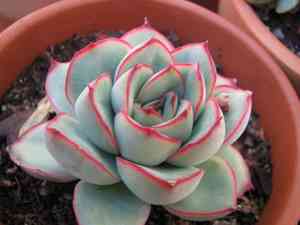
To achieve optimal outcomes, relocate pulido's echeveria during the ideal period from late spring through early summer, enabling superior root development prior to the colder months. Select a site with good drainage that offers abundant solar exposure. Bear in mind, careful manipulation is crucial to prevent harm to fragile root systems.
What Preparations are Needed Before Transplanting Pulido's Echeveria?
What is the Ideal Time for Transplanting Pulido's Echeveria?
The optimal period to relocate pulido's echeveria is from late spring to early summer. This timeframe is excellent as it allows pulido's echeveria sufficient opportunity to establish itself prior to the onset of colder weather. Transplanting during this window ensures the plantâs successful development by avoiding stressful periods of excessive heat or cold. Furthermore, the soil moisture levels are perfect, encouraging root growth and contributing to the plantâs overall vitality. Remember, by timing your transplant correctly, you guarantee pulido's echeveria flourishes in its new environment.
How Much Space Should You Leave Between Pulido's Echeveria Plants?
When relocating pulido's echeveria, ensure proper spacing. Aim for approximately 6-12 inches (15-30 cm) apart to provide ample room for their growth and development.
What is the Best Soil Mix for Pulido's Echeveria Transplanting?
For pulido's echeveria, it's crucial to prepare a well-draining soil. Combine cactus & succulent soil, perlite, and coarse sand for optimal results. Be sure to incorporate a slow-release fertilizer to supply nutrients for healthy development.
Where Should You Relocate Your Pulido's Echeveria?
Select a site with abundant sunlight for your pulido's echeveria to thrive. A location receiving at least 4-6 hours of direct sun daily will help these beautiful plants reach their full potential. Remember, sunlight is vital for their success!
What Equipments Should You Prepare Before Transplantation Pulido's Echeveria?
Gardening Gloves
To safeguard your hands while handling soil and the pulido's echeveria plant.
Shovel or Spade
Required for excavating the plant without harming its root ball.
Pruning Shears
For trimming any damaged or surplus roots before relocation.
Watering Can
To maintain soil moisture and aid the plant's adaptation in its new spot.
Multipurpose Compost
This will supply nutrients to your pulido's echeveria and promote its growth.
Mulch
This will assist in retaining soil moisture post-transplanting.
How Do You Remove Pulido's Echeveria from the Soil?
How Do You Remove Pulido's Echeveria from the Soil?
From Ground: Initially, irrigate your pulido's echeveria to dampen the soil around its roots, which will simplify the removal process. Use a shovel or spade to dig a wide trench around the plant, ensuring the plant's root ball remains intact. Gently lift the plant using the spade beneath the root ball from its original position.From a Pot: First, you should water your pulido's echeveria and allow it to sit for a few moments. If the pot is fragile, you might need to break it for extraction. Otherwise, you can carefully invert the pot and shake it slightly so the plant slides out with the root ball and surrounding soil. Exercise extreme caution as this must be done very carefully to ensure no damage to the plant's root system.From a Seedling Tray: The pulido's echeveria should be carefully held by the leavesânot the stemâand gently lifted. If the seedling doesn't lift easily, use a spoon to pry it out, ensuring the root ball comes out whole.
Step-by-Step Guide for Transplanting Pulido's Echeveria
Examining the Roots
Begin by inspecting the root health and remove any diseased or broken sections with pruning shears.
Digging the Hole
The excavation should be twice as wide as the pulido's echeveria's root ball and approximately the same depth.
Placing the Plant
Position your pulido's echeveria in the center of the hole. Ensure that the top of the plant's root ball is level with the surrounding ground.
Backfilling the Hole
Gently refill the hole with soil, making sure there are no air pockets that could dry out the roots.
Watering
Thoroughly water the soil around the newly planted spot.
Mulching
Apply mulch around the pulido's echeveria, but not touching the stem, to help retain moisture and inhibit weed growth.
How Do You Care For Pulido's Echeveria After Transplanting?
Proper Attention
Closely observe the pulido's echeveria for the initial few weeks post-transplant. Check daily for indications of watering needs or any potential ailments.
Pruning
Trim any yellow or brown foliage to redirect the plant's energy towards root development.
Maintaining Humidity
Pulido's echeveria prefers a more moist environment; replicate this by misting water around the plant or using a pebble tray underneath.
Avoid Over-Fertilizing
Wait for at least one month before you begin fertilizing your plant, as it might harm the roots that are attempting to establish in the new soil.
Troubleshooting Common Issues with Pulido's Echeveria Transplantation.
When is the best time to transplant pulido's echeveria?
It's ideal to relocate pulido's echeveria from late spring to early summer. The warmer climate ensures optimal growth.
What's the ideal space needed between pulido's echeveria when transplanting?
To ensure healthy growth, maintain a distance of 6-12 inches (15-30 cm) between pulido's echeveria during relocation.
Should I water pulido's echeveria right after transplanting?
Yes, absolutely. Adequately water pulido's echeveria after relocation. However, remember to avoid excessive watering to prevent root rot.
What sort of soil is perfect for transplanting pulido's echeveria?
Pulido's echeveria thrives well in well-drained soil. A mixture of sand, peat moss, or perlite is a good choice.
What pot size should be used when transplanting pulido's echeveria?
For healthy growth, pulido's echeveria should be planted in a container that is wider than the rosette and at least 5 inches (12 cm) deep.
Why are the leaves of my pulido's echeveria turning yellow after transplanting?
Yellowing leaves can indicate overwatering. Try adjusting irrigation habits and ensure the pulido's echeveria is well-drained.
My pulido's echeveria appears wilted after transplanting. What went wrong?
It's possible that pulido's echeveria is experiencing transplant shock. Ensure that the plant receives sufficient light and water, but not an excess of either.
Can I transplant pulido's echeveria outdoors?
Absolutely, pulido's echeveria can adapt well to outdoor conditions. Just ensure it is in a location with good sunlight and protected from extreme weather.
How deep should I plant pulido's echeveria when transplanting?
The hole should be deep enough to accommodate the roots of pulido's echeveria. Extra depth provides space for root expansion.
How often should I water pulido's echeveria after transplanting?
Water pulido's echeveria when the top two inches (5 cm) of soil becomes dry. Avoid overwatering as it can lead to root rot.



