How to Propagate Pulido's echeveria?
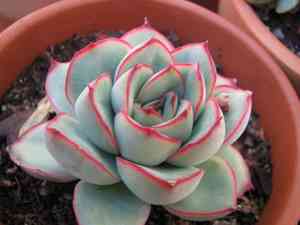
Echeveria Pulido's is most effectively propagated via stem sections, preferably in the spring and summer seasons. The propagation process presents a moderate challenge. Indicators of success encompass the development of new roots and the appearance of fresh foliage. Guarantee a growing medium with good drainage and refrain from excessive watering.
Optimal Period for Pulido's Echeveria Propagation
Propagation Type
Cutting
Propagation Season
Spring, Summer, Autumn
Tools Required for Pulido's Echeveria Propagation
Sharp Scissors or Pruning Shears
These are vital instruments for taking cuttings from pulido's echeveria. They ensure a clean incision, minimizing harm to the parent plant and the removed offset, thereby lowering infection risk and boosting rooting success. Disinfect scissors prior to use to prevent disease spread.
Rooting Hormone Powder or Gel
Rooting hormone promotes quicker root development in pulido's echeveria cuttings. It contains synthetic auxins that stimulate root growth, which can be particularly beneficial when propagating pulido's echeveria from a leaf or stem cutting that naturally roots slower.
Small Pots with Drainage Holes
Pulido's echeveria needs pots with good drainage to prevent root rot after planting the cutting. Therefore, the containers should have adequate drainage to allow excess water to escape, which is crucial for the healthy development of new roots.
Cactus or Succulent Potting Mix
This specialized soil blend offers the right balance of aeration and moisture retention suitable for pulido's echeveria. It helps prevent issues related to excessive moisture while providing an ideal growing medium for new cuttings to establish their root systems.
Plastic Wrap or Propagation Dome
Maintaining high humidity around the pulido's echeveria cutting enhances the likelihood of successful rooting. Transparent plastic wrap or a propagation dome can create a greenhouse-like environment that retains moisture and warmth, aiding the rooting process.
Heat Mat (optional)
While not strictly necessary, a heat mat can aid pulido's echeveria propagation by providing consistent warmth from below to stimulate root growth. This is especially advantageous in cooler environments or during colder months.
Tweezers or Forceps (optional)
These implements can be utilized to handle small or delicate pulido's echeveria cuttings without causing damage. They are particularly useful when positioning cuttings in the potting mix or removing any dead material during propagation.
Method for Propagating Pulido's Echeveria
Propagation Type
Cutting
Difficulty Level
Easy
Post-Propagation Care for Your Pulido's Echeveria
How to Care for Your Newly Propagated Pulido's Echeveria?
Caring for pulido's echeveria after propagation involves ensuring they're planted in a well-draining potting mix, watering when the soil is completely dry, and providing plenty of bright, indirect sunlight. Avoid letting water sit in the rosette to prevent rot. As they grow, continue to provide suitable growing conditions with occasional fertilizing during the growing season and less frequent watering in the winter.
Common Errors to Avoid When Propagating Pulido's Echeveria
Overwatering cuttings
Excessive watering of pulido's echeveria cuttings during propagation can lead to root rot, as the succulent cutting requires minimal water to form roots. It thrives on little moisture, and too much can drown the delicate new roots.
Using non-sterile tools
Cutting pulido's echeveria with unsterilized tools can introduce pathogens to the cut surface, increasing the risk of infection and reducing the chances of successful propagation.
Neglecting humidity levels
While pulido's echeveria does not tolerate overwatering, completely ignoring humidity can cause cuttings to dry out before they successfully root. Maintaining a balance is crucial.
Planting cuttings too deep
Inserting pulido's echeveria cuttings excessively deep into the soil can suffocate the developing roots, preventing them from accessing necessary air circulation.
Exposing to direct sunlight
Subjecting pulido's echeveria cuttings to direct sunlight can cause them to scorch or dehydrate too rapidly, as the cuttings are more sensitive than mature plants.
Tips For Propagating Pulido's Echeveria
Proper cutting technique
When cutting pulido's echeveria, use a sharp, clean knife or scissors to ensure a precise cut that will heal quickly and reduce the risk of disease.
Appropriate rooting medium
Root pulido's echeveria cuttings in a well-draining soil mix specifically for succulents or cacti to provide the necessary drainage and prevent waterlogging.
Indirect light
Place pulido's echeveria cuttings in bright, indirect light to encourage rooting without the stress that direct sunlight can cause on the delicate cuttings.
Controlled watering
Water pulido's echeveria cuttings sparingly, allowing the soil to dry out between waterings to encourage root growth without risking rot.
Gentle handling
Handle pulido's echeveria cuttings with care to avoid damaging the calloused end or emerging roots, as the success of the propagation depends largely on the health of these parts.



