How to Overwinter Pulido's echeveria
1
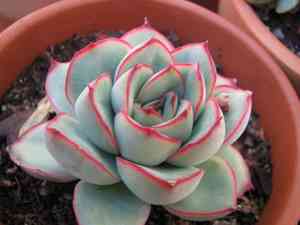
Pulido's echeveria is a succulent with moderate hardiness, capable of enduring only light frosts.
2
Optimal indoor environments feature temperatures ranging from 15-24°C (59-75°F) and minimal humidity.
3
Excessive watering poses a significant danger to Pulido's echeveria throughout the winter season.
Why is Overwintering Essential for Pulido's echeveria?
Why is Overwintering Essential for Pulido's echeveria?
Pulido's echeveria, a lovely semi-hardy succulent, needs specific attention in colder months, particularly in areas with frost or near-freezing conditions. While it flourishes in warmth, temperatures below 10°C (50°F) can stress it, potentially causing fungal diseases, rot, and other health problems. Unlike some hardier succulents, Pulido's echeveria cannot endure prolonged cold. Thus, it's vital to bring this charming plant indoors as temperatures drop and provide a controlled, safe environment until spring's warmth returns.
Preparing Pulido's echeveria for Winter
Checking for Pests and Diseases
Before bringing your Pulido's echeveria inside, it's crucial to check for pests and diseases. Common culprits include mealybugs, aphids, and spider mites. Carefully inspect the leaves, stem, and soil surface for any signs of infestation. If you find any pests, treat the plant immediately with a mild soap solution or an appropriate insecticide. This step prevents unwanted guests from thriving indoors and spreading to other plants.
Trimming and Cleaning the Plant
Trimming and cleaning help ensure your Pulido's echeveria is in prime condition before winter. Remove any dead, dying, or unhealthy leaves. This not only improves air circulation around the plant but also lowers the risk of mold and fungal infections. Additionally, wiping the leaves with a damp cloth will help remove dust or potential pests clinging to the plant.
Adjusting Watering Schedule
During winter, Pulido's echeveria enters dormancy, requiring significantly less water. Overwatering can lead to root rot, a common issue for succulents in colder months. Therefore, reduce your watering schedule to once every three to four weeks, ensuring the soil is completely dry before each watering. Remember, it's better to underwater than to overwater during winter.
Optimal Indoor Conditions for Pulido's echeveria During Winter
Ideal Temperature and Humidity
Pulido's echeveria thrives indoors at temperatures between 15-24°C (59-75°F). Maintaining low humidity is also crucial, as excessive moisture in the air can encourage fungal growth and rot. Use a dehumidifier if needed to keep humidity around 40-50%. These conditions mimic its natural environment, helping the plant stay healthy through winter.
Lighting Requirements
Sufficient light is vital for Pulido's echeveria, even in winter. Position the plant near a south-facing window to ensure it receives ample sunlight. If natural light is insufficient, consider using a grow light to supplement it. Aim for at least six hours of bright, indirect sunlight daily to keep your echeveria vibrant and healthy.
Container and Soil Considerations
Choosing the right container and soil is essential for keeping your Pulido's echeveria indoors. Use a well-draining potting mix formulated for succulents and cacti, typically containing sand, perlite, and peat moss. Ensure the container has drainage holes to prevent water from accumulating at the bottom, which can cause root rot.
Common Overwintering Issues and Solutions
Addressing Light Deficiency
If your Pulido's echeveria becomes leggy or stretches towards the light, it's likely suffering from light deficiency. To correct this, move the plant to a brighter spot or increase the duration of light exposure using grow lights. Maintaining adequate light levels will keep the plant compact and strong.
Preventing Overwatering
One of the most frequent mistakes during winter is overwatering. The reduced metabolic rate and dormancy of Pulido's echeveria mean it needs less water. Always ensure the topsoil is dry to the touch before watering, and drastically reduce watering frequency. If the plant shows signs of overwatering, such as mushy leaves or stem, let the soil dry out completely before watering again.
Managing Humidity Levels
Keeping humidity levels low is critical for preventing fungal infections and rot. If your indoor environment is naturally humid, take steps to reduce it. Using a dehumidifier or placing the plant in a room with good airflow can help maintain ideal conditions. Avoid placing the plant near humidifiers or in bathrooms where moisture levels are high.



