How Much Sunlight Do Pulido's echeveria Need?
1
Pulido's echeveria flourishes with a minimum of 6 hours of direct sun each day.
2
Insufficient light may lead to etiolation, resulting in a stretched and spindly plant.
3
Periodically turn your Pulido's echeveria container to ensure uniform light distribution.
The Importance of Light for Pulido's Echeveria
Energy Conversion and Development
Light is vital for photosynthesis, the process where Pulido's echeveria transforms light into energy. This energy drives growth, enabling the plant to produce new foliage, blooms, and roots. Without enough light, your echeveria may struggle to thrive and could become weak and underdeveloped.
Maintaining Vivid Hues
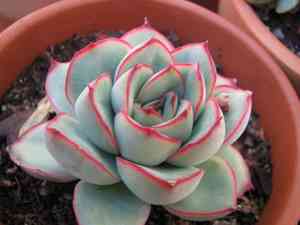
Pulido's echeveria is renowned for its striking coloration, which can range from green to reddish tones. Sunlight helps preserve these vibrant shades. Insufficient light may cause the colors to fade, making your plant less appealing.
Preventing Legginess
Etiolation occurs when Pulido's echeveria lacks sufficient light, causing it to stretch out in search of more illumination. This results in a spindly, elongated look that is far from the dense, rosette form characteristic of a healthy echeveria.
Optimal Light Conditions for Pulido's Echeveria
Direct vs. Diffused Light
Pulido's echeveria prefers direct sun but can tolerate some diffused light. Position it where it receives direct sunlight for several hours daily. Avoid excessive shade, as this can lead to poor development and dull colors.
Ideal Duration of Light Exposure
Aim for at least 6 hours of direct sunlight each day. This is the minimum for robust growth and vibrant colors. In hotter climates, some afternoon shade can shield the plant from scorching.
Best Placements in Your Home or Garden
Indoors, place Pulido's echeveria near a south or west-facing window for optimal light exposure. Outdoors, select a spot that gets morning sun and some afternoon shade, especially if you reside in a particularly hot region.
Adjusting Light Exposure for Pulido's Echeveria
Effective Use of Grow Lights
If natural light is inadequate, consider employing grow lights. Position the lights approximately 30 centimeters (12 inches) above the plant and leave them on for about 12-14 hours daily to simulate the natural sunlight they receive.
Seasonal Light Adjustments
During winter, sunlight may be less intense. Move your Pulido's echeveria closer to a light source or supplement with grow lights. In summer, watch for signs of sunburn and provide partial shade during the hottest parts of the day.
Protection from Excessive Light and Heat
Too much direct sunlight, especially in the afternoon, can cause sunburn, appearing as brown or white spots on the leaves. Use sheer curtains indoors or provide partial shade outdoors to protect the plant from excessive heat and light.
Indicators of Light Problems in Pulido's Echeveria
Symptoms of Overexposure to Light
Signs of too much sunlight include scorched and burned leaves, which may develop brown or white patches. If you observe these symptoms, relocate your plant to a spot with less direct sunlight or provide some shade.
Symptoms of Insufficient Light
A pale and stretched-out appearance indicates inadequate sunlight. The plant may become leggy and lose its compact rosette shape. If this occurs, gradually move it to a brighter location to prevent further etiolation.
Remedial Actions for Light Issues
If your Pulido's echeveria displays signs of light problems, adjust its placement gradually. Increase or decrease exposure slowly to prevent shock. Provide shade or additional light as needed and observe the plant's reaction to find the ideal amount of sunlight.



