Optimal Soil for Growing Pulido's echeveria: What You Need to Know
1
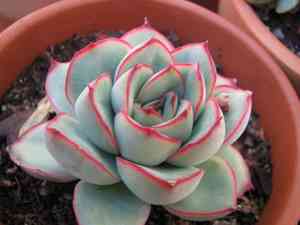
Pulido's echeveria flourishes optimally in gritty, well-draining soil.
2
An ideal soil acidity range for Pulido's echeveria is between 6 and 7.5.
3
To prevent root decay, refrain from excessive watering of Pulido's echeveria; let the substrate become dry between irrigation sessions.
Understanding the Soil Requirements of Pulido's echeveria
Ideal Soil Composition
For robust Pulido's echeveria, the soil should primarily be sandy, ensuring proper water runoff. A commercial cactus or succulent potting blend is often appropriate, typically containing sand, perlite, and peat moss or coco coir. This blend helps prevent moisture retention, which is critical as Pulido's echeveria is prone to root rot.
Key Nutrients for Healthy Growth
Pulido's echeveria requires a balanced supply of vital nutrients like nitrogen, phosphorus, and potassium. These elements support vibrant foliage and strong root systems. A monthly application of diluted succulent fertilizer during the active growth period can provide necessary nutrients. Additionally, adding organic matter such as compost can boost soil fertility and essential micronutrients.
How to Choose the Right Soil for Pulido's echeveria
Commercial Soil Mixes vs. Homemade Mixes
When selecting soil for Pulido's echeveria, you can opt for pre-made succulent and cactus blends or formulate your own. Commercial mixes offer convenience and are specifically designed for succulents. Conversely, a custom mix can be tailored to your plant's needs by combining ingredients like coarse sand, perlite, and potting soil. Ensure the final mixture provides excellent drainage and sufficient aeration.
Recommended Soil Components
The optimal soil components for Pulido's echeveria include coarse sand, perlite, and a small amount of organic material. Coarse sand ensures quick drainage, while perlite enhances soil aeration, and organic matter, such as well-composted pine bark, supplies vital nutrients. A blend of two parts sand, one part perlite, and one part potting mix or compost works well for these succulents.
How Does Soil pH Affect Pulido's echeveria?
Optimal pH Range for Growth
Pulido's echeveria thrives in slightly acidic to neutral soil, with an ideal pH range of 6 to 7.5. Maintaining this pH level is crucial for nutrient absorption and overall plant vitality. A pH meter or testing kit can assist in monitoring and adjusting the soil pH as needed.
Adjusting Soil pH
If your soil requires pH modification, adding lime can increase the pH, creating a more alkaline environment. Conversely, incorporating sulfur or peat moss can decrease the pH, making the soil more acidic. Always retest the pH after making adjustments to ensure it falls within the 6 to 7.5 range suitable for Pulido's echeveria.
Drainage: A Crucial Factor for Pulido's echeveria Soil
Why Good Drainage is Essential
Effective drainage is vital for Pulido's echeveria as it prevents water from pooling around the roots, which can lead to root rot. The plant's natural habitat in arid regions means it is adapted to dry, well-drained conditions. Ensuring your soil mix has ample drainage will help replicate this environment and promote healthy growth.
Improving Soil Drainage
To enhance soil drainage, use a pot with drainage holes and place a layer of gravel or ceramic shards at the bottom before adding your soil mix. Incorporating more perlite or coarse sand into your soil can also improve drainage. Regularly checking the soil moisture level before watering is essential to avoid overwatering.
Common Soil Problems and Solutions for Pulido's echeveria
Identifying Overwatering Issues
Overwatering is a frequent problem for Pulido's echeveria, leading to root rot and plant decline. Signs of overwatering include yellowing leaves, soft stems, and an unpleasant odor from the soil. To prevent overwatering, ensure the soil is completely dry before the next watering session, and always use a well-draining soil mix.
Dealing with Soil Compaction
Soil compaction can impede root development and water drainage. To prevent this, regularly aerate the soil by gently loosening it with a small gardening tool. Adding perlite or pumice to the soil mix can also help maintain its structure and prevent compaction, ensuring roots have enough space to expand and access nutrients.



