Enhancing Your Garden Design with the Pulido's echeveria Plant: A Landscaping Guide
1
Periodically assess the soil's dampness to prevent excessive watering of Pulido's echeveria.
2
Pulido's echeveria flourishes in bright spots with soil that drains effectively.
3
Combine Pulido's echeveria with plants of differing appearances to enhance your garden's aesthetic appeal.
Introducing Pulido's Echeveria for Landscape Use
Appreciating the aesthetic qualities of Pulido's echeveria
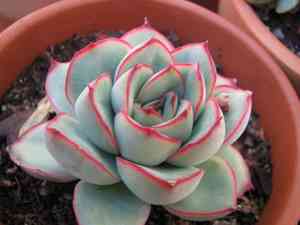
Pulido's echeveria is celebrated for its remarkable symmetry and attractive rosette form, making it a captivating feature in any garden. Its succulent, blue-green leaves, edged with red, offer a distinct texture and color variation that truly stands out. Whether you're an experienced gardener or a beginner, Pulido's echeveria is easily admired for its unique beauty. Its compact size allows for diverse landscaping applications, from rockeries to potted arrangements.
Advantages of incorporating Pulido's echeveria into outdoor settings
Integrating Pulido's echeveria into your garden provides several benefits. Firstly, it's a low-maintenance plant, ideal for busy gardeners. Unlike more delicate species, Pulido's echeveria tolerates arid conditions well, requiring less frequent irrigation. Furthermore, Pulido's echeveria can flourish in various soil types, provided they offer adequate drainage. This adaptability, coupled with its visual appeal, makes it an excellent choice for enhancing both small and large outdoor areas.
Selecting the Optimal Site for Pulido's Echeveria in Your Garden
Evaluating sun exposure needs for robust growth
To ensure Pulido's echeveria thrives, it's vital to position it where it receives ample sunlight. Ideally, Pulido's echeveria requires at least six hours of direct sun daily. Placing it in a bright location not only encourages healthy development but also intensifies the vibrant hues of its foliage. If planting in a pot, consider relocating it periodically to follow the sun's trajectory, especially as seasons change.
Choosing the appropriate soil type and garden placement
Regarding soil, Pulido's echeveria favors well-draining mediums to prevent root rot. A sandy or gritty mixture is perfect, and you can improve drainage by adding perlite or gravel. For garden placement, Pulido's echeveria is adaptable and can serve as a focal point in rock gardens, line pathways, or even adorn decorative pots on a patio. The key is to avoid areas where water tends to collect to maintain healthy roots.
Pairing Pulido's Echeveria with Other Plants
Suitable companion plants for Pulido's echeveria in garden design
Pulido's echeveria harmonizes well with other succulents and drought-tolerant flora. Varieties such as sedum, sempervivum, and agave are excellent partners due to their similar water and light requirements. These combinations can create a unified and easy-to-maintain garden space. Additionally, combining Pulido's echeveria with ornamental grasses can offer a pleasing textural contrast while maintaining a cohesive design theme.
Achieving color and texture contrast with Pulido's echeveria
To heighten your garden's visual appeal, utilize Pulido's echeveria to create striking contrasts in color and texture. Pairing it with plants like dark-leaved aeoniums or vibrant kalanchoe can make the subtle red margins of Pulido's echeveria more prominent. Experimenting with different plant heights and leaf shapes can also add depth and visual interest, ensuring that Pulido's echeveria stands out while complementing its neighbors.
Ongoing Care Guidelines for Pulido's Echeveria in Landscapes
Watering practices for thriving Pulido's echeveria plants
One of the crucial aspects of caring for Pulido's echeveria is proper irrigation. Excessive watering can be harmful, so it's essential to allow the soil to dry out completely between waterings. During warmer months, a thorough watering every two weeks should suffice, while colder periods may only require watering once a month. Always check the soil moisture level before watering to prevent excess moisture accumulation.
Seasonal care adjustments for enduring beauty
Seasonal shifts necessitate minor modifications in the care routine for Pulido's echeveria. During the active growth period (spring and summer), ensure it receives ample sunlight and occasional feeding with a balanced, diluted fertilizer. Conversely, during autumn and winter, reduce watering and refrain from fertilizing to allow the plant to rest. If you reside in a harsh winter climate, consider moving potted plants indoors to shield them from frost damage.



