Boost Growth: How and When to Repot Your Pulido's echeveria Plant
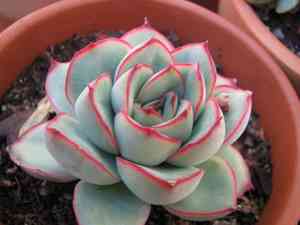
1
Transplant Pulido's echeveria every 1 to 2 years to encourage robust development.
2
The best times for repotting are during Spring and Winter, to reduce plant strain.
3
Select a soil blend that drains effectively, like a cactus or succulent mix, for optimal outcomes.
Why Repot Pulido's echeveria?
Understanding the necessity of transplanting for robust development
Transplanting Pulido's echeveria is crucial for maintaining its vitality and fostering strong growth. Succulents, including Pulido's echeveria, can outgrow their containers or deplete soil nutrients over time. Repotting refreshes the growing medium, providing new soil rich in vital nutrients and offering increased space for root expansion. This process ensures your Pulido's echeveria stays healthy, grows vigorously, and enjoys a longer lifespan.
Recognizing indicators that signal it's time for a new pot
Identifying the signs that your Pulido's echeveria requires repotting is vital. Look for roots emerging from drainage holes, soil that dries out faster than usual, or a plant that appears top-heavy and unstable in its container. These all suggest the plant has outgrown its current home and would benefit from a larger space and fresh substrate.
When Is the Best Time to Repot?
Seasonal considerations for relocating Pulido's echeveria
The ideal seasons for repotting Pulido's echeveria are Spring and Winter. These periods generally cause less stress for the plant, allowing it to adapt and flourish in its new setting. Spring is particularly beneficial as the plant's growth phase begins, offering a perfect chance for new roots to establish themselves in fresh soil.
Optimal conditions and timing to ensure successful transplantation
Ensure that weather conditions are mild when you decide to repot. Avoid extremely hot or cold days, as these can stress the plant. Early morning is the best time of day to undertake the repotting process, as temperatures are cooler, reducing the risk of transplant shock. Consistent with the input season, Spring and Winter are ideal.
Choosing the Right Pot and Soil
Selecting a container that meets Pulido's echeveria requirements
When choosing a pot for your Pulido's echeveria, ensure it has ample drainage holes to prevent water from accumulating at the bottom, which can cause root rot. A pot one size larger than the current one is typically sufficient. Select materials like terracotta or ceramic as these help wick away moisture from the soil.
The most suitable soil mixtures for Pulido's echeveria
For Pulido's echeveria, a well-draining soil mix is essential. Opt for a succulent or cactus soil blend, which usually contains sand, pumice, and perlite, allowing excellent aeration and drainage. You can find pre-mixed options at most garden centers or create your own by combining standard potting soil with equal parts of coarse sand and perlite.
Step-by-Step Guide to Repotting Pulido's echeveria
Preparing your work area and gathering necessary tools
Prepare a clean workspace and gather all necessary tools before you begin. You will need a new pot, fresh potting soil, gloves, a small trowel, and possibly scissors or pruning shears. Having everything ready will streamline the process and reduce stress.
Carefully extracting the plant from its current container
Gently remove Pulido's echeveria from its current pot by tipping the pot upside down while supporting the plant with your hand. Gently tap the pot to loosen the soil and carefully slide the plant out, being mindful not to damage the roots.
Inspecting and trimming the roots if necessary
Examine the roots for any signs of decay or overcrowding. Trim away any dead, damaged, or excessively long roots with clean scissors or pruning shears. This encourages new and healthy root development.
Positioning Pulido's echeveria in the new pot and adding substrate
Place a layer of fresh soil at the bottom of the new pot and position Pulido's echeveria in the center. Add more soil around the sides, ensuring the plant remains upright and stable. Lightly press the soil down to eliminate air pockets but be careful not to compact it too tightly.
Final steps: Watering and placing the plant in an ideal spot
After repotting, give the Pulido's echeveria a light watering to settle the soil and help the roots acclimate to their new environment. Place the plant in a location with bright, indirect sunlight and allow the soil to dry out between waterings to avoid overwatering.
Aftercare Tips
How to care for Pulido's echeveria post-transplanting
Following repotting, Pulido's echeveria may experience a brief adjustment period. During this time, water sparingly and ensure the plant receives ample light. Gradually resume your regular watering schedule once the plant shows signs of new growth.
Monitoring your plant for signs of stress and recovery
Observe your Pulido's echeveria for any signs of stress, such as wilting or yellowing leaves, and adjust care routines as needed. With proper aftercare, the plant should soon resume regular growth and thrive in its new pot.



