How to Transplant Fan clubmoss?
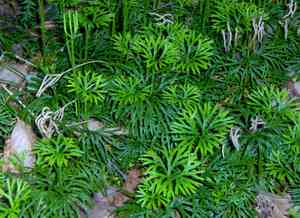
The optimal period for transplanting fan clubmoss is during the onset of spring, offering a mild environment conducive to root development. Select sites with partial shade and soil that drains effectively for robust growth. Carefully arrange the roots during placement to ensure a successful transfer.
What Preparations are Needed Before Transplanting Fan Clubmoss?
What is the Ideal Time for Transplanting Fan Clubmoss?
The arrival of spring's gentle warmth offers the perfect conditions for settling fan clubmoss into its new location, promoting robust root development and adaptation. Providing fan clubmoss this spring transition rewards gardeners with vigorous growth, thanks to the season's favorable environment that supports root establishment prior to summer's heat. Your fan clubmoss will flourish with the fresh surge of life that accompanies this period, setting the stage for a lush, vibrant display.
How Much Space Should You Leave Between Fan Clubmoss Plants?
When relocating fan clubmoss, ensure ample room for expansion. A distance of 1-2 feet (30-60 cm) between each plant is advisable. This facilitates optimal growth and development.
What is the Best Soil Mix for Fan Clubmoss Transplanting?
Before moving fan clubmoss, enrich the soil with a substantial amount of organic material. This plant thrives in well-drained, loamy soil. Incorporate a slow-release fertilizer to supply essential nutrients.
Where Should You Relocate Your Fan Clubmoss?
Fan clubmoss appreciates some sun but can also endure shade. Select a spot that receives filtered sunlight throughout the day. This will aid your plant in flourishing and growing beautifully.
What Equipments Should You Prepare Before Transplantation Fan Clubmoss?
Garden Spade or Shovel
Utilized for excavating holes and extracting the plant from its initial spot.
Gardening Gloves
To safeguard your hands while handling soil and the plant.
Watering Can
For hydrating the plant before and after relocation.
Compost
To supply vital nutrients to the plant in its new setting.
Mulch
To assist in retaining soil moisture post-transplanting.
Sturdy Pot (if transplanting from pot to ground)
To hold the plant and soil during the relocation process.
How Do You Remove Fan Clubmoss from the Soil?
How Do You Remove Fan Clubmoss from the Soil?
From Ground: First, irrigate the fan clubmoss plant to moisten the earth. This will simplify the plant's removal. Next, excavate a wide trench around the plant using a garden spade or shovel, being careful not to harm the plant's root ball. Gently lift the plant from its original position, preserving as much of the root system as possible.From Pot/Container: Water the plant prior to beginning the transplant. Invert the pot while carefully supporting the plant at its base. Occasionally, it may be necessary to tap the pot's bottom to help dislodge the root ball.From Seedling Tray: Lightly press the soil beneath the seedling to push the plant upward. Hold the plant by its leaves, not the stem, as it could be easily damaged. Ensure you have lifted the entire root ball out of the seedling tray.
Step-by-Step Guide for Transplanting Fan Clubmoss
Prep the Transplant Site
Dig a hole at the new location that is twice the width of the fan clubmoss's root ball and of equal depth. Add compost to the base of the hole to enhance nutrient levels.
Placement
Carefully position the fan clubmoss into the hole. The top of its root ball should be level with or slightly above the surrounding soil surface.
Fill In
Backfill the area around the plant's root ball with soil, gently firming it to eliminate air pockets.
Water
Thoroughly water the plant immediately after transplanting. This aids in settling the soil around the plant's roots.
Mulch
Apply a layer of mulch around the plant, but avoid direct contact between the mulch and the plant's stem. This helps retain moisture and inhibit weed growth.
How Do You Care For Fan Clubmoss After Transplanting?
Watering
Always keep the soil around fan clubmoss damp, but not saturated, especially during the initial weeks post-transplant. Dry or waterlogged soil can impede its growth and even be fatal.
Trimming
Remove any broken or deceased parts using a sharp, clean pruning tool to help the plant direct its energy towards new growth.
Monitoring
Watch for indications of transplant stress such as wilting or yellowing foliage. If observed, adjust the plant's water and light as needed.
Troubleshooting Common Issues with Fan Clubmoss Transplantation.
What's the best time of year to transplant fan clubmoss?
The most favorable period to relocate fan clubmoss is during season 'S1'. This enables the plant to establish roots more effectively in its new environment.
How much space should I leave between fan clubmoss when transplanting?
For healthy development, each fan clubmoss should be positioned approximately 1-2 feet (30-60 cm) apart. This provides ample room for expansion without overcrowding.
What kind of soil should I transplant fan clubmoss into?
Fan clubmoss prefers well-drained soil. Therefore, before transplanting, ensure you prepare a site with soil that does not tend to become waterlogged.
Should I water fan clubmoss immediately after transplanting?
Absolutely! It is essential to water fan clubmoss promptly after relocation. This helps settle the soil around the roots and lessens transplant shock.
How deep should the holes be for transplanting fan clubmoss?
When moving fan clubmoss, make the hole deep enough to cover the plant's roots. This is typically around 6-10 inches (15-25 cm) in depth.
Do I need to add any special fertilizer when transplanting fan clubmoss?
While fan clubmoss is not particularly demanding, incorporating a slow-release, balanced fertilizer into the planting hole can encourage healthy growth after transplanting.
Should I prune fan clubmoss before or after transplanting?
It is best to lightly trim fan clubmoss just before transplanting. This will help the plant concentrate its energy on root development.
What's the best way to handle fan clubmoss during transplanting to cause minimal damage?
Handle fan clubmoss with care during relocation. Try to preserve as much of the root ball as possible and avoid touching the root tips.
How can I tell if my transplanted fan clubmoss is experiencing shock?
Transplant shock may manifest as wilting, yellowing leaves, or stunted growth. Consistent watering and patience usually aid fan clubmoss in recovery.
What should I do if my transplanted fan clubmoss shows signs of disease?
If you observe disease indicators like spots or discolored foliage in transplanted fan clubmoss, isolate it to prevent spread and consult a local nursery expert.



