How to Prune Fan clubmoss?
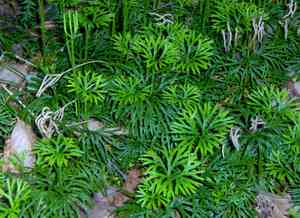
This perennial ground-hugging plant, recognized for its likeness to small coniferous trees, flourishes in shaded forest environments. Successful trimming of fan clubmoss entails snipping the ends to preserve compactness and manage expansion. The ideal period for pruning is from late winter to early spring, aligning with the conclusion of its dormant phase. Trimming encourages more robust development and diminishes the likelihood of fungal infections by improving air movement among the leaves. Accuracy is crucial to avoid harming the trailing stalks.
What Are the Benefits of Pruning Fan Clubmoss?
What Are the Benefits of Pruning Fan Clubmoss?
Trimming fan clubmoss promotes vigorous development and maintains its desired form. By selectively cutting, gardeners encourage healthier, denser foliage and stem structure, ensuring fan clubmoss thrives and appears visually appealing in its environment.
What Is the Best Time for Pruning Fan Clubmoss?
What Is the Best Time for Pruning Fan Clubmoss?
Trimming fan clubmoss in late winter and early spring is considered ideal as these periods precede the plant's most active growth phase. Pruning at this time allows the plant to direct energy to new growth, thereby encouraging more robust and healthy development. Furthermore, the absence of new foliage makes it easier to discern the plant's structure, ensuring more precise cuts. This timing also minimizes the risk of disease transmission, as many pathogens are less active in cooler temperatures. Additionally, pruning before the start of the growing season helps protect the plant from environmental stress and potential damage from late frosts.
What Tools Do I Need to Prune Fan Clubmoss?
Precision Pruners
Given the delicate nature of fan clubmoss, precision pruners or micro-tip snips are perfect for making accurate cuts without harming surrounding foliage.
Garden Scissors
These are suitable for trimming the small stems of fan clubmoss, offering control and being less likely to crush stems compared to heavier pruners.
Fine Pruning Saw
For any thicker, woody growth that might occasionally appear on mature fan clubmoss specimens, a fine pruning saw can make clean cuts without damaging the rest of the plant.
How to Prune Fan Clubmoss
Step1: Assess Plant Health for Pruning
Evaluate fan clubmoss's overall health and growth pattern to determine the extent of necessary pruning. Focus on overgrown parts, dead stems, or faded fronds.
Step2: Use Sterilized Pruning Tools
Utilize clean, sharp scissors or secateurs to prevent damage and the spread of disease. Sterilize tools before and after use with alcohol or a bleach solution.
Step3: Remove Dead Stems
Start by removing dead stems to encourage healthy growth. Locate the base of the unwanted stem, ensuring you don't cut into healthy growth, and make a clean cut.
Step4: Trim Overgrown Branches
For overgrown branches, identify the point where the branch extends beyond fan clubmoss's desired shape. Cut the branch back to just above a healthy set of leaves or a branching point.
Step5: Prune Faded Fronds
When trimming faded fronds, cut them back to their base, just above where they emerge from the main stem, to promote a neat appearance and stimulate new growth.
Step6: Shape for Aesthetics
Shape fan clubmoss by selectively trimming branches that disrupt the plant's natural fan shape. Aim for a balanced, visually pleasing form while maintaining its characteristic structure.
Step7: Dispose of Pruning Debris
After pruning, carefully discard all removed material to prevent any potential spread of pests or diseases.
Step8: Water Plant Post-Pruning
Water fan clubmoss thoroughly after pruning to reduce plant stress and aid recovery. Ensure the soil is well-drained to prevent root rot.
Step9: Monitor Plant Recovery
Monitor fan clubmoss for signs of new growth and overall health in the following weeks, providing appropriate care such as adequate light, watering, and fertilization as needed.
Post-Pruning Care for Fan Clubmoss
Post-Pruning Care for Fan Clubmoss
After trimming fan clubmoss, immediately water the soil to lessen transplant shock. Maintain a stable environment with partial shade, high humidity, and cool temperatures to assist recovery. Apply a balanced, slow-release fertilizer to replenish nutrients. Regularly inspect fan clubmoss for signs of stress, such as discoloration or wilting, and adjust care as needed. Promptly remove any diseased material and sanitize tools to prevent infection.
Common Pruning Mistakes with Fan Clubmoss
Over-Pruning Damages Plant Structure
Trimming fan clubmoss too aggressively, which can harm the plant's delicate structures and hinder its ability to grow.
Dull Tools May Spread Disease
Using dull or uncleaned tools, which can introduce disease to fan clubmoss or result in jagged cuts that heal poorly.
Lack of Growth Pattern Knowledge Harmful
Pruning without understanding fan clubmoss's growth pattern, potentially removing new growth areas or disrupting its natural shape.
Common Pruning Tips for Fan Clubmoss
Clean, Sharp Cuts Prevent Disease
Use sharp, disinfected shears to ensure clean cuts on fan clubmoss, helping prevent disease spread and encouraging healthy regrowth.
Thinning Increases Airflow and Light
Focus on thinning dense areas to improve air circulation and light penetration, crucial for fan clubmoss's health and vigor.
Timely Removal of Dead Foliage Vital
Promptly remove any dead or diseased foliage to maintain fan clubmoss's aesthetic appeal and overall health, while carefully preserving healthy parts.



