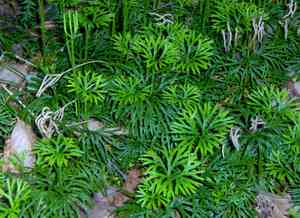
Fan clubmoss (Diphasiastrum digitatum)
Also known as: Running cedar
**Boston fern (Nephrolepis exaltata)** is a popular evergreen plant often used for ground cover. As a member of the fern family, it reproduces via spores. Thriving in partial shade, this plant is also known for its ability to tolerate drought conditions.
In This Article
Attributes of Fan clubmoss
Lifespan
Perennial
Plant Type
Fern
Plant Height
13 cm to 25 cm
Spread
15 cm to 30 cm
Leaf Color
Green
Flower Size
N/A (non-flowering)
Flower Color
Green Yellow Brown
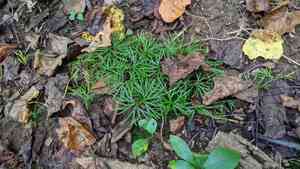
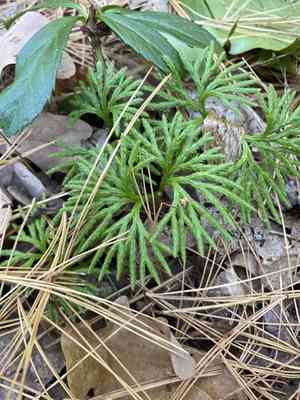
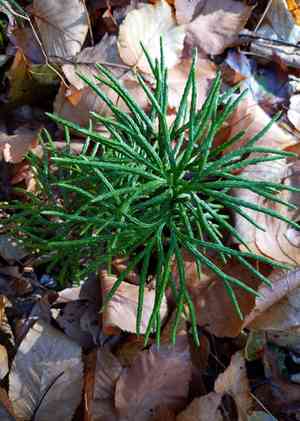
Images of Fan clubmoss
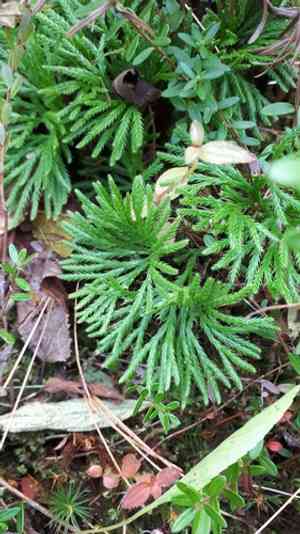
Quickly Identify Fan clubmoss
1
To identify Diphasiastrum digitatum, look for low-lying, evergreen plants with branching that mimics small trees. The leaves are scale-like and tightly pressed to the stems, giving it a fan-like appearance. The plant has horizontal stems from which the upright branches grow.
Scientific Classification of Fan clubmoss
Phylum
Vascular plants
Class
Club mosses
Order
Lycopodiales
Family
Clubmosses
Genus
Alpine clubmosses
Species
Fan clubmoss
Planting and Growing of Fan clubmoss
Care Difficulty
Hard
Watering Schedule
Every 2 days
Sunlight Requirements
Partial sun
Sunshine Duration
6-10 hours
Ideal Temperature
59-77℉
Soil Type
Potting Mix, Peat Mix
Soil pH
4.5-6.5
Fertilizer Type
Balanced
Pruning Season
Spring, Summer
Pruning Area
Branches, Leaves
Pruning Frequency
2 times a year
Repotting Season
Spring
Pot Type
Plastic, Ceramic
 How to Water Fan clubmoss?
For Diphasiastrum digitatum, water thoroughly until the soil is moist but not waterlogged. Ensure the entire root zone is reached, typically aiming for about 250 milliliters per watering session. Be sure the water penetrates into the soil rather than runs off the surface.
What are the symptoms of an underwatered Fan clubmoss?
›
What should I do if my Fan clubmoss is not getting enough water?
›
What are the symptoms of an overwatered Fan clubmoss?
›
How to save an overwatered Fan clubmoss?
›
 What Are the Sunlight Requirements for Fan clubmoss?
Diphasiastrum digitatum ideally thrives in partial sun environments, such as woodland areas. The right amount of filtered or dappled light is crucial for its nutrient production and healthy growth, ensuring robust development.
More About Sunlight Requirements Techniques→
How much sunlight does Diphasiastrum digitatum need?
›
How to achieve ideal light conditions?
›
Benefits of ideal lighting
›
 What Is the Ideal Temperature Range for Fan clubmoss?
The ideal temperature range for cultivating Diphasiastrum digitatum is between 59°F and 77°F. This range provides a stable environment that supports proper metabolic functions and growth. Maintaining temperatures within this bracket ensures overall health and vitality.
 What Soil is Best for Fan clubmoss?
Diphasiastrum digitatum thrives in well-drained soils that prevent waterlogging. This is crucial as excessive moisture can lead to root rot, hindering the plant's growth and vitality. The plant prefers moist and acidic conditions. By maintaining a slightly acidic pH, you can enhance nutrient availability and create an ideal environment for growth. A nutrient-rich soil with ample organic matter will support the plant's growth by providing essential nutrients. Compost or leaf litter can be added to enrich the soil.
 How to Fertilize Fan clubmoss?
When fertilizing Diphasiastrum digitatum, use a balanced, water-soluble fertilizer at half the recommended strength. Avoid over-fertilizing to prevent damage to the root system. A small quantity, like 1 teaspoon per gallon of water during the growing season, is sufficient.
 How to Prune Fan clubmoss?
Start by examining the plant for dead or damaged stems. Remove these cluttering parts to channel the plant's energy towards healthy growth. Carefully trim the plant to your desired shape, focusing on enhancing its natural form. Target long, unruly branches first to maintain a consistent and attractive appearance.
More About Pruning Techniques→
 How to Propagate Fan clubmoss plant?
1
Choose a robust, mature Diphasiastrum digitatum plant for division. Ensure the selected plant shows no signs of disease or significant pest damage, as healthy parent plants tend to yield more successful divisions.
2
Prior to division, amend the soil with organic matter to enhance drainage and nutrient content. Well-prepared soil is crucial for supporting the growth of newly divided plants and minimizing transplant shock.
3
Using the sharp knife or spade, carefully divide the plant into smaller clumps, ensuring each division has sufficient roots. Handle the roots with care to avoid damage, which can hinder the establishment and growth of the new plants.
 How to Repot Fan clubmoss plant?
1
Look out for roots appearing through the drainage holes or if growth seems stunted. If your Diphasiastrum digitatum looks too dense or is wilting despite proper care, it might be time to repot. These are signs that the roots have outgrown their current home and need more space to spread out for healthier growth.
2
Choose a pot that is slightly larger than the current one to prevent overpotting. Ensure it has sufficient drainage holes to allow excess water to escape, which is critical to prevent root rot. The material of the pot can be clay, which helps with air circulation, or plastic, which retains moisture better.
3
Opt for a well-draining, sandy loam soil to mimic the plant's natural habitat. This type of soil prevents waterlogging, allowing the roots to receive adequate air while providing the necessary nutrients. The soil should also be slightly acidic, helping the plant maintain its vibrant health.



