How to Overwinter Fan clubmoss
1
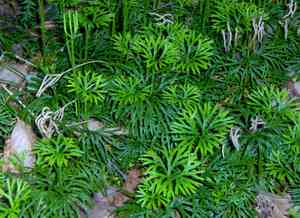
Fan clubmoss flourishes in shaded forest environments.
2
It's crucial to keep Fan clubmoss moist but not waterlogged in winter.
3
Trimming and tidying Fan clubmoss before winter aids in preventing illnesses and pest infestations.
What Makes Fan clubmoss Frost Hardy?
What Makes Fan clubmoss Frost Hardy?
The Fan clubmoss (Diphasiastrum digitatum) is an outstanding ground cover plant widely admired for its resilience in colder climates. What distinguishes this plant is its inherent frost hardiness. This woodland species has evolved to endure severe winters thanks to its dense, mat-like growth that insulates its roots and shields them from freezing temperatures. Furthermore, its small, needle-like leaves are adapted to retain moisture, reducing the risk of frostbite. During the winter months, the plant's metabolic rate decreases, conserving energy and maintaining its overall health. If you're seeking a plant that can survive and even flourish in frosty conditions, the Fan clubmoss is undoubtedly a prime candidate.
Preparing Your Fan clubmoss for Winter
Assessing Plant Health
Before winter arrives, it's essential to evaluate the health of your Fan clubmoss. Begin by examining the foliage for any indications of disease, discoloration, or damage. Healthy, vibrant leaves are a good sign that the plant is well-prepared to withstand the winter. If you observe any signs of stress, take action by removing affected parts and treating with suitable fungicides or insecticides. This preventive care ensures that your Fan clubmoss enters the winter season in optimal condition.
Pruning and Cleaning
Pruning isn't solely for aesthetics; it aids in maintaining plant health. For Fan clubmoss, trim away any dead or unhealthy foliage. Focus on cleaning the area around the plant as well, removing debris and fallen leaves that could harbor pests and diseases throughout the winter months. Clean plants are less likely to suffer from mildew or rot, making this step crucial for a strong winter survival strategy.
Protecting Your Fan clubmoss During Winter
Mulching Techniques
Mulching provides an essential layer of protection for Fan clubmoss during the winter. Use organic material like pine needles, wood chips, or shredded leaves to cover the soil around the plant. Aim for a mulch layer approximately 5-8 cm (2-3 inches) thick. This layer acts as an insulator, maintaining soil moisture and temperature while preventing soil erosion. Ensure that the mulch doesn't directly touch the base of the plant, as this can lead to rot.
Watering Tips in Cold Weather
Winter watering demands a delicate balance. While you want to prevent the soil from completely drying out, over-watering can cause root rot. Water your Fan clubmoss sparingly, ensuring the soil remains slightly moist. In particularly dry winters, give the plant a thorough watering once a month, allowing the water to penetrate deep into the soil. This practice will keep the roots hydrated without causing waterlogging.
Common Winter Issues for Fan clubmoss
Recognizing Frost Damage
Frost damage in Fan clubmoss often appears as browned or blackened tips on the foliage. If you notice these symptoms, resist the urge to prune immediately. Wait until the harshest part of winter has passed to avoid additional stress to the plant. Post-winter, trim the damaged parts to encourage new growth in spring.
Managing Pests and Diseases
Even in winter, pests and diseases can pose a threat to your Fan clubmoss. Keep an eye out for common issues such as mildew or fungal growth, which thrive in damp conditions. Use a copper-based fungicide to treat any visible fungus and ensure good air circulation around the plant. If you encounter pest problems, apply an appropriate organic insecticide to manage the issue without causing harm to the plant.
Post-Winter Care for Fan clubmoss
Spring Cleaning and Pruning
Come spring, your Fan clubmoss will benefit greatly from a little tender loving care. Start by removing the protective mulch layer and inspecting the plant for any frost damage or disease. Prune away dead or damaged foliage to make way for new growth. This seasonal cleaning helps the plant recover from winter's stresses and sets the stage for vigorous spring and summer growth.
Fertilizing After Winter
After surviving the winter, Fan clubmoss will appreciate a nutrient boost. Apply a balanced, slow-release fertilizer in early spring to encourage robust growth. Use about 1 kg (2.2 lbs) of fertilizer per 9.3 square meters (100 square feet), ensuring it is evenly distributed. Water the area well to help the nutrients penetrate the soil. This post-winter fertilization supports the overall health and vitality of your Fan clubmoss as it enters the growing season.



