Enhancing Your Garden Design with the Fan clubmoss Plant: A Landscaping Guide
1
Fan clubmoss enhances both the aesthetic appeal and ecological variety of your garden.
2
Optimal placement and substrate quality are vital for Fan clubmoss's development.
3
Regular upkeep ensures Fan clubmoss remains robust and flourishes.
Exploring the Contribution of Fan Clubmoss to Landscape Design
Emphasizing Fan Clubmoss's Visual Appeal
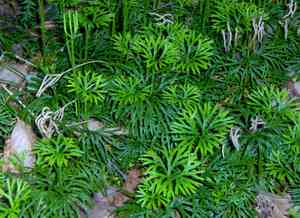
Fan clubmoss is a visually striking plant that can elevate the aesthetic quality of any outdoor space. Its distinctive fan-like structure introduces an intriguing texture and pattern to the ground, making it an excellent ground cover. The plant's vivid green hue can offer a beautiful contrast to more colorful blooms, adding depth and visual interest to your design. By incorporating Fan clubmoss, you can infuse a touch of natural elegance and establish captivating focal points.
Year-Round Appearance and Adaptability
A key characteristic of Fan clubmoss is its evergreen foliage, which provides continuous greenery regardless of the season. Its hardiness makes it a versatile option for various climates and conditions. Its capacity to thrive in diverse environments ensures your garden remains lush and vibrant throughout the year. Whether your region experiences harsh winters or hot summers, Fan clubmoss can endure temperature fluctuations, contributing to the reliability and consistency of your landscape.
Ecological Benefits and Biodiversity Support
Beyond its visual charm, Fan clubmoss plays a significant ecological role in your garden. It fosters biodiversity by offering habitat and sustenance for various insects and small wildlife. This environmentally friendly plant aids in maintaining the balance of your garden's ecosystem, promoting natural pest control and healthier plant development. By including Fan clubmoss in your landscaping, you're not only enhancing your garden's beauty but also supporting local biodiversity and sustainable gardening practices.
Initial Considerations for Planting Fan Clubmoss
Selecting the Optimal Site
Choosing the ideal location for Fan clubmoss is vital for its successful establishment. This plant flourishes in both shaded and partially shaded areas, making it perfect for placement beneath canopies and along pathways. Consider garden areas that receive filtered sunlight or are protected from direct sun exposure. The perfect spot will shield Fan clubmoss from extreme conditions, ensuring its growth and vitality. Evaluate your garden layout to select a location that maximizes its aesthetic and environmental advantages.
Evaluating Soil Conditions
Soil quality is a crucial factor for the successful cultivation of Fan clubmoss. This plant prefers well-drained, slightly acidic soil rich in organic matter. Before planting, test your soil to determine its pH level and nutrient content. Amend the soil with compost or other organic materials if necessary to improve its structure and fertility. By adequately preparing the soil, you provide a strong foundation for Fan clubmoss to become established and flourish.
Understanding Light Requirements
Fan clubmoss is adaptable regarding light but performs best in partial to full shade. Excessive direct sunlight can stress the plant and impede its growth, while insufficient light can lead to stunted development. Observe the light patterns in your garden throughout the day and select a location that offers consistent indirect light. This balance ensures Fan clubmoss receives enough light for photosynthesis without the risk of sun damage.
Design Strategies for Incorporating Fan Clubmoss into Your Garden
Creating Visual Anchors with Fan Clubmoss
Utilizing Fan clubmoss as a focal point in your garden can enhance its visual appeal and structure. Employ it to draw attention to specific areas such as garden paths, entryways, or water features. Its distinctive texture and form make it a striking centerpiece that can ground your garden design. Plant Fan clubmoss in clusters or along borders to achieve a cohesive look that adds depth and interest to your landscape.
Pairing Fan Clubmoss with Companion Plants
To maximize the impact of Fan clubmoss, combine it with complementary plants that accentuate its beauty and ecological value. Consider plants that thrive in similar conditions, such as ferns and shade-loving perennials. This combination can foster a harmonious and diverse garden. When selecting companion plants, consider their height, color, and texture to ensure they enhance rather than overshadow Fan clubmoss. This meticulous planning results in a balanced and visually pleasing garden.
Achieving Balance in Texture and Color
A successful garden design harmonizes various elements, including texture and color. Fan clubmoss's delicate texture can beautifully contrast with larger-leaved plants, adding depth and variety to the plantings. Use Fan clubmoss to create a verdant carpet that highlights the vibrant colors of flowering plants. This contrast can make your garden more dynamic and visually engaging. Consider how Fan clubmoss can unify your design while providing a soft and lush backdrop.
Maintenance Guidelines for Thriving Fan Clubmoss
Watering and Nutrient Needs
While Fan clubmoss doesn't demand excessive watering, maintaining consistently moist soil is important, especially during dry spells. Irrigation should be moderate, avoiding waterlogging. Apply a mulch layer to retain soil moisture and reduce watering frequency. Fertilizing Fan clubmoss with a balanced, slow-release fertilizer can boost its growth and health. Apply fertilizer during the growing season to supply essential nutrients and encourage lush foliage.
Pruning and Seasonal Care
Pruning Fan clubmoss is minimal but crucial for preserving its shape and vitality. Remove any dead or damaged fronds to stimulate new growth and prevent disease. Seasonal care involves clearing debris and checking for signs of stress or pest infestation. Regular maintenance ensures Fan clubmoss remains vibrant and healthy year-round. Consider seasonal tasks like mulching in autumn and ensuring adequate hydration in summer to support its growth cycle.
Monitoring and Managing Pests
Consistent monitoring for pests is vital for maintaining Fan clubmoss's health. Common pests include slugs and snails, which can harm the foliage. Utilize natural pest control methods, such as introducing beneficial insects or applying organic repellents. Maintain garden hygiene by removing fallen leaves and debris that can harbor pests. Early detection and management prevent infestations from becoming severe, ensuring Fan clubmoss thrives without undue stress.



