How Much Sunlight Do Fan clubmoss Need?
1
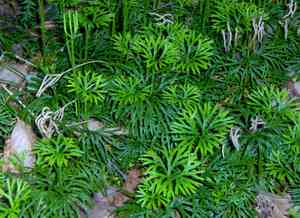
Fan clubmoss flourishes in locations receiving under 3 hours of daily sun exposure.
2
This plant favors dappled light and may suffer damage from direct sun rays.
3
Fan clubmoss is able to adjust to indoor conditions with the aid of supplemental lighting.
Ideal Illumination for Fan Clubmoss
Requirements for Partial Shade
The Fan clubmoss does not tolerate full sun. This species flourishes in conditions of partial shade, meaning it prefers filtered sunlight or areas where light is broken by overhead foliage. If cultivating this plant outdoors, ensure its placement limits direct sun exposure to under 3 hours daily. This setup mimics its natural forest environment.
Avoiding Direct Sun Exposure
Direct sunlight can be harmful to the Fan clubmoss's well-being. Excessive exposure can lead to leaf burn, resulting in brown, brittle areas on the leaves. To prevent this, position your plant where it is protected from the strong midday sun. For indoor specimens, sheer drapes can effectively diffuse incoming light.
Insights from Natural Environment
Understanding the native habitat of Fan clubmoss offers key insights into its light preferences. This plant naturally occurs in temperate woodlands, thriving on the forest floor where light levels are low and humidity is high. Replicating these conditions at homeâwhether indoors or in a shaded garden spotâwill promote robust growth and overall plant vitality.
Providing Appropriate Light for Your Fan Clubmoss
Indoor Placement Advice
If growing Fan clubmoss indoors, strategic positioning is vital. Select a spot where the plant receives indirect light, such as near a window facing north. Alternatively, place it a few feet from an east or west-facing window, where light is gentler and dispersed. Avoid south-facing windows, which can expose the plant to overly intense light.
Outdoor Cultivation Questions
For those planting Fan clubmoss outdoors, choosing the correct location is essential. The plant performs best in areas with partial to full shade. Typically, spots beneath large trees or next to structures that block direct sun are ideal. Ensure the soil stays moist but not waterloggedâdespite its love for humidity, the plant also needs good drainage.
Utilizing Supplemental Lighting
Artificial illumination can be a valuable aid for indoor Fan clubmoss care, especially in spaces with limited natural light. LED grow lights that emulate natural sunlight are highly effective. Aim for lights that emit a full spectrum of wavelengths and position them approximately 12-18 inches (30-45 cm) above the plant. Provide about 12-16 hours of this artificial light daily to replicate its optimal growing conditions.
Indicators of Excessive Sun Exposure for Fan Clubmoss
Symptoms of Leaf Scorch
Overexposure to sun manifests as leaf scorch, a common problem for Fan clubmoss. Symptoms include dry, brown edges on the leaves, and in severe instances, the foliage may become brittle or even drop off. If these signs appear, relocate the plant to reduce its sun exposure.
Foliage Color Alterations
Another sign of too much sunlight is a noticeable change in leaf coloration. Healthy Fan clubmoss leaves exhibit a vibrant green hue; however, excessive sun can cause colors to fade or develop a yellowish tint. Correcting this involves immediately moving the plant to a more shaded location.
Preventative Strategies
To protect your Fan clubmoss from sun damage, implement preventative measures. Use sheer curtains or blinds for indoor plants to filter direct rays. For outdoor plants, consider surrounding them with taller companion plants that can naturally provide shade. Regularly monitor the plant's light exposure, especially if you are in a region with strong sunlight.
Ensuring Adequate Light Throughout the Year
Spring and Summer Maintenance
During spring and summer, the sun's intensity increases, necessitating extra care for your Fan clubmoss. Ensure it remains in a shaded spot and watch for any signs of excessive light, such as leaf scorch. Regularly check soil moisture levels to prevent drying out, as warmer temperatures can accelerate evaporation.
Autumn and Winter Adjustments
In autumn and winter, the sun's intensity diminishes, but providing sufficient light remains critical. Indoor plants may benefit from supplemental artificial lighting during these months. Adjust the watering schedule to account for slower growth; the plant might require less water during these cooler periods. By consistently monitoring light levels year-round, you can ensure your Fan clubmoss thrives through every season.



