How to Transplant Bunchberry dogwood?
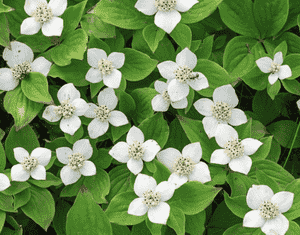
The optimal period for relocating bunchberry dogwood is early to mid-spring, when the ground is damp yet adequately warm, facilitating root development. Choose a shaded, adequately drained spot to replicate their native forest environment. Careful handling is crucial to prevent root damage.
Necessary Preparations Before Relocating Bunchberry Dogwood?
When is the Best Time to Move Bunchberry Dogwood?
The prime time for relocating bunchberry dogwood is during late spring, as it gently awakens from winter. Moving bunchberry dogwood then allows its roots to settle in mild soil, benefiting from moderate weather before summer's heat. This timing ensures bunchberry dogwood a strong start, boosting its chances of flourishing, as it aligns perfectly with its natural growth cycle. A friendly tip: providing bunchberry dogwood this seasonal advantage is like offering it a revitalizing growth tonic!
What is the Recommended Spacing Between Bunchberry Dogwood Plants?
Position bunchberry dogwood in your garden to allow ample room for expansion. Ideally, maintain a distance of approximately 1-2 feet (30-60 cm) between each plant. This promotes healthy development by minimizing competition for nutrients and sunlight.
Which Soil Mixture is Best for Transplanting Bunchberry Dogwood?
For bunchberry dogwood, you'll need soil that drains well and is rich in organic material. Before transplanting, enrich the soil with a foundational fertilizer. This will supply your plant with essential nutrients for a vigorous beginning.
Where Should You Replant Your Bunchberry Dogwood?
Select a location with partial shade for your bunchberry dogwood. It can endure full sun in cooler climates, but in warmer regions, it thrives in a spot shielded from the midday sun. This ensures its long-term health and vitality.
What Tools Are Needed Before Moving Bunchberry Dogwood?
Gardening Gloves
To protect your hands from potential injury while handling the plant and working with soil.
Garden Spade/Shovel
Essential for digging the hole to transplant the bunchberry dogwood and extracting it from its original location.
Watering Can
Required for hydrating the plant both before and after the transplanting procedure.
Mulch
Used to cover the soil surface after transplanting to retain moisture and suppress weeds.
Rooting Hormone Powder
Can aid in stimulating root development when relocating the bunchberry dogwood.
How to Extract Bunchberry Dogwood from the Ground?
How to Extract Bunchberry Dogwood from the Ground?
From Ground: First, thoroughly water the bunchberry dogwood plant to soften the surrounding soil. Use a garden spade or shovel to dig around the plant, ensuring the root ball remains intact. Carefully maneuver the spade or shovel beneath the root ball to lift the plant from its initial spot. From Pot: Avoid pulling the bunchberry dogwood plant by its stem, as this could cause damage. Instead, tilt the pot sideways and gently guide the plant out, preserving as much of the root ball as possible. From Seedling Tray: Begin by watering the seedlings in the tray. Then, carefully pry out the bunchberry dogwood plant using a small tool, such as a spoon, taking care not to harm the delicate roots.
Detailed Steps for Transplanting Bunchberry Dogwood
Hole Preparation
Excavate a hole in your chosen site, approximately 50% larger than the root ball. The soil at the base of the hole should be loose to encourage root expansion.
Placing the Plant
Gently position the bunchberry dogwood plant in the center of the hole, ensuring it stands upright. The top of the root ball should be level with the ground. Backfill the hole with soil, gently firming it around the plant.
Watering
After transplanting, thoroughly water bunchberry dogwood, ensuring the soil is saturated but not waterlogged.
Mulch Application
Apply a layer of mulch around the bunchberry dogwood to help maintain moisture and regulate soil temperature.
Post-Transplant Care for Bunchberry Dogwood
Regular Checks
Observe the bunchberry dogwood plant, especially during the initial days after transplant. Look for signs of wilting, yellowing, or browning, which may indicate stress.
Watering
Water the plant regularly, keeping the soil consistently moist. Be careful not to overwater and ensure adequate drainage to prevent waterlogging.
Protect from Extremes
Shield the newly transplanted bunchberry dogwood from harsh weather, such as extreme heat or cold. Ensure it is not exposed to strong, drying winds.
Fertilizing
Wait at least 4-6 weeks before applying any additional fertilizer. Excessive fertilization can stress the plant and damage its roots. When you do begin to fertilize, start with a light application.
Resolving Common Issues with Bunchberry Dogwood Relocation.
What is the optimal time of year to move bunchberry dogwood?
The ideal season for relocating bunchberry dogwood is during season S2. This guarantees optimal growth and survival.
What spacing should I maintain when planting multiple bunchberry dogwood?
To facilitate proper growth, space each bunchberry dogwood approximately 1-2 feet (30-60 cm) apart. This prevents overcrowding and competition for resources.
My transplanted bunchberry dogwood appears wilted, what action should I take?
A droopy bunchberry dogwood can be a sign of water stress. Ensure proper watering practices after transplant, keeping the soil consistently moist but not waterlogged.
Why are the leaves of my transplanted bunchberry dogwood turning yellow?
Yellow leaves might indicate overwatering or a nutrient deficiency. Adjust your watering schedule, and consider using a balanced plant fertilizer.
What is the best soil composition for transplanting bunchberry dogwood?
Bunchberry dogwood thrives in rich, well-draining soil. A mixture of loamy soil, compost, and a small amount of sand can provide ideal growing conditions.
What is the preferred planting depth for bunchberry dogwood during relocation?
Plant bunchberry dogwood at the same depth as its original container. Planting too deep can lead to root rot, while too shallow may cause the plant to dry out.
How should I care for bunchberry dogwood after it has been moved?
Keep the soil moist, but avoid excessive watering. Protect bunchberry dogwood from strong winds and extreme temperature fluctuations after transplanting.
I observe insects on my transplanted bunchberry dogwood. What should I do?
Insects can hinder the plant's growth. Use organic, plant-safe insecticides, and manually remove pests whenever feasible.
My transplanted bunchberry dogwood is not growing. What could be the reason?
Lack of growth could stem from incorrect planting depth, insufficient light, poor soil conditions, or improper watering. Evaluate these factors and make adjustments as needed.
What is the ideal sunlight exposure for bunchberry dogwood after relocation?
Bunchberry dogwood prefers partial shade to full sun exposure. After transplanting, ensure it receives adequate but not excessive sunlight.



