How to Prune Bunchberry dogwood?
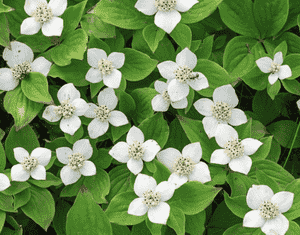
A herbaceous perennial groundcover, Cornus canadensis is celebrated for its prostrate habit and rapid proliferation, showcasing white, star-shaped bracts that stand out against the foliage. For vigorous development and to manage its expansion, trim Cornus canadensis in early spring prior to the emergence of new shoots or in late summer following its blooming period. Alleviate congestion by removing aged or compromised stems at the soil line. Trimming can encourage thicker foliage, preserve plant well-being, and improve the subsequent season's blossoms. Always employ sanitized, keen implements to lessen trauma.
What Are the Benefits of Pruning Bunchberry Dogwood?
What Are the Benefits of Pruning Bunchberry Dogwood?
Trimming bunchberry dogwood encourages robust development and preserves its desired shape, ensuring it flourishes with enhanced vigor and beauty.
What Is the Best Time for Pruning Bunchberry Dogwood?
What Is the Best Time for Pruning Bunchberry Dogwood?
Trimming bunchberry dogwood from late winter to early spring supports its natural growth cycle by eliminating dead or damaged branches before the plant expends energy on new leaves. This prevents stress and allows the plant to heal from cuts as the growing season commences. Furthermore, this timing avoids cutting off flower buds, which form in summer, ensuring the plant's aesthetic appeal and fruit production remain intact. Pruning should conclude before late summer to prevent stimulating new growth susceptible to early frosts.
What Tools Do I Need to Prune Bunchberry Dogwood?
Hand Pruners
For precise cutting of stems and removal of dead or diseased parts of bunchberry dogwood, hand pruners are ideal due to their sharp blades and ability to make clean cuts without damaging the plant. These are essential for maintaining the health and shape of bunchberry dogwood.
Hand Shears
When bunchberry dogwood grows into a thicker clump, hand shears are useful for shaping and thinning. They provide a larger cutting surface and are designed for handling slightly larger stems than hand pruners.
Pruning Saw
For any larger, woody stems that may develop as bunchberry dogwood matures, a pruning saw is recommended. Its serrated edge allows for cutting through thicker material without causing splintering or undue stress to the plant.
Gloves
Protective gloves are a must when pruning bunchberry dogwood to prevent any potential skin irritation from the plant or injuries from the pruning tools.
How to Prune Bunchberry Dogwood
Step1: Damage Inspection
Examine bunchberry dogwood thoroughly to pinpoint areas needing trimming, specifically focusing on compromised stems and spent blooms.
Step2: Tool Sterilization
Clean and sanitize pruning tools before starting to prevent disease transmission to bunchberry dogwood.
Step3: Stem Removal
Begin by removing damaged stems. Cut these stems at their base, just above the soil line, using sharp, clean pruners. Ensure cuts are clean and don't splinter, as this could harm bunchberry dogwood.
Step4: Deadheading Blooms
Remove spent blossoms by cutting the flowering stems just above the first healthy leaf set. Deadheading encourages more vigorous blooms and can prevent seed dispersal if desired.
Step5: Shape Maintenance
After removing damaged and dead parts, assess the plant to ensure a natural form is maintained. Avoid excessive pruning as bunchberry dogwood has a natural clumping habit that doesn't require extensive shaping.
Step6: Debris Disposal
Discard all removed plant material away from the garden area to minimize the risk of disease or pest infestation.
Step7: Post-Pruning Watering
Water bunchberry dogwood sufficiently after pruning to aid its recovery from the stress of trimming. Ensure water reaches the root zone.
Step8: Mulching Base
Apply mulch around the base of bunchberry dogwood, avoiding contact with stems, to retain moisture, regulate soil temperature, and reduce weed competition.
Step9: Post-Pruning Monitoring
Observe bunchberry dogwood after pruning for signs of stress or illness. Healthy bunchberry dogwood should recover quickly and show new growth within a few weeks.
Post-Pruning Care for Bunchberry Dogwood
Post-Pruning Care for Bunchberry Dogwood
Immediately after trimming bunchberry dogwood, gently water to lessen transplant shock. Maintain partial shade, high humidity, and cool temperatures to reduce stress. A balanced slow-release fertilizer will aid recovery. Monitor bunchberry dogwood for wilting, discoloration, or unusual growth as indicators of stress or infection. If symptoms appear, adjust care and consult an expert. Regularly check for pests or disease, ensuring prompt intervention to prevent further damage.
Common Pruning Mistakes with Bunchberry Dogwood
Avoid Cutting Old Wood
Cutting into the old wood of bunchberry dogwood, which can lead to a lack of flowering since bunchberry dogwood blooms on new growth.
Prevent Over-Pruning
Excessive pruning of bunchberry dogwood, which might stress the plant and lead to poor health or reduced vigor, as bunchberry dogwood does not require significant reduction in size.
Sterilize Tools Before Pruning
Pruning bunchberry dogwood without sterilizing tools, which can spread diseases to the plant, being a common oversight that leads to potential health issues for bunchberry dogwood.
Remove Only Damaged Stems
Failing to remove only the weak, dead, or diseased stems, resulting in the unnecessary removal of healthy growth that could contribute to the fullness and aesthetic appeal of bunchberry dogwood.
Use Proper Cutting Techniques
Employing improper cutting techniques, such as tearing or making jagged cuts, which can harm bunchberry dogwood's delicate stems, leading to uneven growth and possible entry points for pests or diseases.
Common Pruning Tips for Bunchberry Dogwood
Sanitize Tools to Prevent Disease
Sanitize pruning tools before starting and between cuts on different bunchberry dogwood plants to minimize the risk of spreading disease.
Prune for Natural Shape and Health
Trim bunchberry dogwood to maintain its natural shape and appearance, focusing only on removing damaged or diseased stems and any weak growth that detracts from the plant's overall form.
Make Clean, Angled Cuts Above Nodes
Make clean, angled cuts just above a leaf node or branching point to promote healthy regrowth and to allow water to easily run off the cut area, avoiding potential rot issues.
Thin Stems for Better Air Circulation
Thin out the stems of bunchberry dogwood if necessary to improve air circulation, which is beneficial for reducing the risk of fungal diseases and encouraging more robust growth.
Fertilize After Pruning for Recovery
After pruning, apply a balanced, slow-release fertilizer to bunchberry dogwood, which can help the plant recover more quickly and provide essential nutrients for new growth and flowering.



