Enhancing Your Garden Design with the Bunchberry dogwood Plant: A Landscaping Guide
1
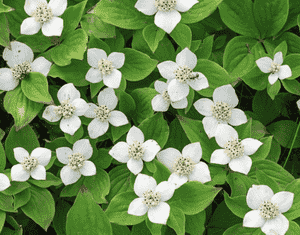
Bunchberry dogwood contributes a distinct visual charm to outdoor spaces through its lively leaves and blossoms.
2
Incorporating Bunchberry dogwood into your outdoor area can enhance other flora and establish balanced garden layouts.
3
Bunchberry dogwood provides ecological advantages and has the potential to elevate your property's total worth.
An Introduction to Bunchberry Dogwood in Garden Design
Understanding the visual appeal of Bunchberry dogwood
In garden design, the visual charm of Bunchberry dogwood is undeniable. With its vivid green leaves and distinctive, captivating blooms, Bunchberry dogwood can serve as a central feature or an elegant filler plant in your outdoor space. Its low-growing habit allows for a unified ground cover that provides a lush, polished look to any landscape plan. The plant's seasonal transformations also add an evolving beauty, ensuring your garden remains appealing throughout the year.
The popularity of Bunchberry dogwood in contemporary garden design
Bunchberry dogwood has gained favor among homeowners and landscape professionals due to its adaptability and ease of care. It's a plant that integrates well into various garden styles, from classic to modern settings. This versatility makes it a preferred choice in landscape designs that aim to combine aesthetics with minimal upkeep. The growing interest in indigenous plants and sustainable gardening practices has also boosted Bunchberry dogwood's allure, as it is a native species known for thriving in diverse conditions.
Incorporating Bunchberry Dogwood into Your Garden
Selecting the ideal spot for Bunchberry dogwood
Location is crucial when integrating Bunchberry dogwood into your garden. Ideally, you should select a site with partial to full shade, as Bunchberry dogwood flourishes in such environments. It's also important to ensure the soil drains well, as overly damp conditions can impede its growth. Areas beneath trees or alongside shrubs often provide the sheltered, shaded conditions that Bunchberry dogwood prefers. Being mindful of these aspects will ensure your Bunchberry dogwood plants thrive and contribute to a healthy and beautiful garden.
Companion plants that complement Bunchberry dogwood
Bunchberry dogwood pairs well with a variety of other plants, enhancing the overall visual appeal of your garden. Consider combining it with ferns, hostas, or other shade-loving perennials. These combinations create a multi-layered and textured landscape that is pleasing to the eye. The contrasting foliage and different bloom times of these plants can provide a dynamic garden display throughout the seasons. This thoughtful pairing not only enhances beauty but also contributes to a sustainable and balanced garden ecosystem.
Design suggestions for an impressive display
Creating an impressive display with Bunchberry dogwood involves a few key design principles. Firstly, consider planting it in large groups to achieve a lush, carpet-like effect. This approach works particularly well in shaded garden beds or woodland settings. Additionally, using Bunchberry dogwood along garden paths or bordering walkways can create a natural, enchanting look. Be sure to mix in other shade-tolerant plants and vary the plant heights to add depth and interest. These tips will help you create a visually stunning garden that showcases the unique charm of Bunchberry dogwood.
Seasonal Considerations for Bunchberry Dogwood
What to anticipate from Bunchberry dogwood in spring
In the spring, Bunchberry dogwood awakens with vibrant green foliage and lovely, white blossoms that add a fresh look to your garden. This is the period when the plant experiences significant growth, making it the ideal season for planting new specimens or expanding your current Bunchberry dogwood landscape. Consistent watering and mulching during this season will help support the plant's vigorous growth and ensure it establishes itself well.
Maintaining Bunchberry dogwood's allure during summer
During the summer, Bunchberry dogwood retains its lush foliage, though the flowers may begin to fade. Keeping the soil consistently moist is vital during this period to prevent the plant from drying out, especially during hot spells. Mulching can help retain soil moisture and keep the roots cool. Additionally, occasional light trimming can help maintain the plant's shape and encourage healthy growth, ensuring your garden remains attractive throughout the summer months.
Preparing Bunchberry dogwood for winter
As winter approaches, it's crucial to prepare your Bunchberry dogwood plants for the colder months. This preparation includes reducing watering as the plant's growth slows down and applying a layer of mulch to protect the roots from freezing temperatures. In areas with harsh winters, covering the plants with a light layer of evergreen boughs can provide additional protection. These steps will help your Bunchberry dogwood survive the winter and emerge strong and vibrant in the spring.
Advantages of Incorporating Bunchberry Dogwood into Your Landscape
Environmental benefits of planting Bunchberry dogwood
Integrating Bunchberry dogwood into your landscape offers numerous environmental advantages. As a native plant, it supports local biodiversity by providing habitat and food sources for various wildlife, including pollinators like bees and butterflies. Additionally, Bunchberry dogwood helps stabilize soil, preventing erosion, and improving soil health. Its low maintenance requirements mean it can thrive without excessive fertilizers or pesticides, contributing to a more eco-friendly garden environment.
How Bunchberry dogwood can enhance the overall value of your property
Including Bunchberry dogwood in your landscape can significantly boost the curb appeal and overall value of your property. Its unique aesthetic qualities and year-round appeal make it an attractive feature for potential buyers. Moreover, a well-designed garden that incorporates native plants like Bunchberry dogwood reflects a commitment to sustainability, which is increasingly valued in the real estate market. This added value can provide a substantial return on investment should you decide to sell your property in the future.



