Optimal Fertilizer for Growing Bunchberry dogwood: What You Need to Know
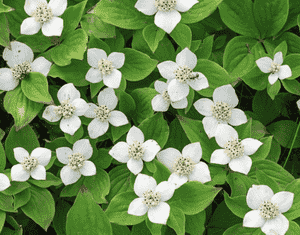
1
Bunchberry dogwood flourishes optimally in soil that is acidic to neutral, with a pH level between 5.5 and 7.0.
2
Spreading mulch around the plant's base aids in moisture retention and lessens the necessity for regular irrigation.
3
The ideal time to fertilize Bunchberry dogwood is in spring, promoting fresh growth and bloom production.
Understanding the Nutritional Requirements of Bunchberry dogwood
Key Nutrients for Robust Development
To ensure your Bunchberry dogwood flourishes, comprehending its dietary needs is essential. Similar to many plants, Bunchberry dogwood primarily requires three vital elements: Nitrogen (N), Phosphorus (P), and Potassium (K). Nitrogen promotes abundant foliage, phosphorus is crucial for root growth and blooming, and potassium aids overall plant vitality and disease resistance. Beyond these primary nutrients, Bunchberry dogwood also benefits from trace minerals like magnesium, calcium, and iron.
Indicators of Nutrient Deficiency in Bunchberry dogwood
One of the initial signs that your Bunchberry dogwood may lack essential nutrients is chlorosis – yellowing of leaves while veins remain green. This often points to a nitrogen or iron deficit. If growth appears stunted and leaves are smaller than usual, a phosphorus shortage could be the cause. A potassium deficiency might show as brown, scorched leaf edges. Recognizing these symptoms early helps you adjust feeding practices to meet the plant's demands.
Selecting the Appropriate Fertilizer for Bunchberry dogwood
Organic vs. Synthetic Fertilizers: Advantages and Disadvantages
Choosing between organic and synthetic fertilizers often depends on your gardening philosophy and specific plant requirements. Organic fertilizers, such as compost, bone meal, or fish emulsion, offer a slower nutrient release and enhance soil structure over time. They are eco-friendly and safe for garden inhabitants. However, immediate results may not be apparent. Synthetic fertilizers, conversely, provide precise nutrient formulations and rapid effects, which is useful for quickly correcting deficiencies. Yet, they can cause nutrient runoff and potentially harm beneficial soil organisms if overused.
Optimal Fertilizer Blends for Bunchberry dogwood
For Bunchberry dogwood, a balanced fertilizer with equal proportions of N, P, and K, such as a 10-10-10 blend, performs well. Alternatively, you can select a slightly acidic fertilizer that aligns with the plant's natural preference for acidic soils. Furthermore, slow-release granular fertilizers can deliver a steady supply of nutrients over an extended period, reducing the frequency of applications. Always adhere to the manufacturer's guidelines to prevent over-fertilization, which can damage the plant.
When and How to Fertilize Bunchberry dogwood
The Ideal Time to Fertilize During the Active Growth Period
Spring is the prime time to fertilize Bunchberry dogwood. As temperatures rise and the plant emerges from winter dormancy, applying fertilizer can support new growth and flowering. Early spring fertilization ensures the plant has the necessary nutrients for vibrant foliage and beautiful blooms. Avoid fertilizing late in the growing season, as this can stimulate new growth that is not robust enough to endure winter frost.
Step-by-Step Guide to Fertilizing Bunchberry dogwood
Begin by testing your soil to determine its pH and nutrient levels. Adjust soil pH if needed to maintain an acidic to neutral range (5.5 to 7.0).Select a balanced or slightly acidic fertilizer and measure the correct amount based on the plant's size and age.Apply the fertilizer uniformly around the plant's base, avoiding direct contact with the stem to prevent burning.Gently work the fertilizer into the top layer of soil using a hand rake or trowel.Water the plant thoroughly to help nutrients penetrate to the root zone.Mulch around the plant's base to retain moisture and minimize nutrient runoff.
Sustained Care for a Flourishing Bunchberry dogwood
Maintaining Soil Health and Fertility
Long-term soil vitality is crucial for the continued success of your Bunchberry dogwood. Regularly incorporate organic matter, such as compost or well-rotted manure, to enhance soil structure and fertility. Annual mulching helps conserve soil moisture, suppress weeds, and gradually adds organic matter as it breaks down. Additionally, avoid excessive fertilization, which can lead to nutrient imbalances and soil degradation.
Adapting Care Based on Seasonal Changes
Your Bunchberry dogwood will have varying requirements depending on the season. In spring, focus on fertilization and pruning to encourage healthy growth and blooming. During summer, ensure consistent irrigation, especially during dry spells. In autumn, gradually reduce watering and allow the plant to prepare for dormancy. Winter care involves minimal intervention – protect the plant with mulch to insulate roots from severe cold and avoid unnecessary disturbance.



