How to Overwinter Bunchberry dogwood
1
Bunchberry dogwood tolerates extreme cold well and can withstand very low temperatures.
2
Adequate mulching offers vital root protection in cold seasons.
3
Periodically check Bunchberry dogwood for cold-related harm and snow buildup to maintain its well-being.
Understanding Bunchberry dogwood's Frost Hardiness
Understanding Bunchberry dogwood's Frost Hardiness
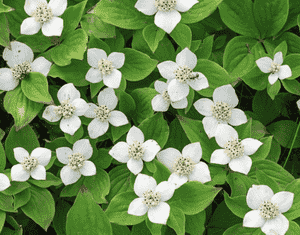
Regarding its ability to withstand cold, Bunchberry dogwood (Cornus canadensis) is a robust species. Originating from colder regions, this plant can endure severe winter conditions where temperatures drop significantly below freezing. This inherent toughness makes it an excellent option for gardens in diverse climates. Indeed, Bunchberry dogwood thrives in USDA hardiness zones 2-6. However, even though the plant is naturally adapted to cold weather, providing appropriate care during winter guarantees optimal health and growth in the spring.
Preparing Bunchberry dogwood for Winter
Should You Mulch Bunchberry dogwood?
Mulching is a vital step in getting your Bunchberry dogwood ready for winter. Applying a 2â3-inch (5â7.5 cm) layer of organic material like wood chips or shredded leaves around the plant's base can help insulate its roots from the cold. This insulation stabilizes soil temperature, preventing the freeze-thaw cycles that can harm the root system. Remember to keep the mulch away from the stem to avoid moisture buildup, which can lead to rot.
Watering Needs Before Winter
Adequate watering is essential before winter arrives. Ensure your Bunchberry dogwood receives sufficient moisture in the fall to help it withstand the dry winter air. The general guideline is to water the plant deeply until the soil is moist, but not saturated. Depending on your soil type, aim for an inch (2.5 cm) of water per week. This ensures the plant enters winter well-hydrated, reducing the risk of winter desiccation.
Ensuring Proper Winter Shelter for Bunchberry dogwood
Natural Shelters
Utilizing natural shelters can protect your Bunchberry dogwood from the harshest elements. Positioning the plant near taller shrubs or trees can serve as windbreaks, minimizing winter wind damage. These natural barriers also help retain heat, creating a microclimate around your plant that is a few degrees warmer than the surrounding area.
Artificial Shelters
If natural shelters are unavailable, consider constructing temporary artificial windbreaks. Materials such as burlap screens or garden fabric can be used to create protective barriers around the plant. Ensure these barriers are sturdy enough to withstand winter weather without collapsing. Additionally, you can use cloches or cold frames if your Bunchberry dogwood is part of a smaller garden setup.
Monitoring Bunchberry dogwood During Winter
Checking for Snow Accumulation
Regularly check Bunchberry dogwood for excessive snow accumulation, especially after heavy snowfalls. While a light layer of snow can provide insulation, heavy snow can break branches or smother the plant. Gently brush off excess snow using a soft broom to ensure the plant remains undamaged and can 'breathe'.
Inspecting for Frost Damage
Inspect your Bunchberry dogwood for signs of frost damage throughout the winter. Look for blackened or shriveled foliage, which indicates frostbite. Although this plant is frost-hardy, extremely cold snaps can still cause damage. If you notice signs of frost damage, leave the affected parts alone until spring when you can prune them away without causing further stress to the plant.
How to Revive Bunchberry dogwood After Winter
Early Spring Care Steps
As winter thaws and temperatures rise, it's time to begin revitalizing your Bunchberry dogwood. Gradually remove any winter mulch to allow the plant to adjust to warming conditions. Water the plant thoroughly to rehydrate it after its winter dormancy. Also, consider applying a balanced fertilizer to provide it with a nutrient boost for the upcoming growing season.
Pruning and Cleaning Up
Once the risk of frost has passed, prune away any dead, damaged, or diseased wood. This encourages new growth and ensures the plant's energy is directed towards healthy parts. Clear away any fallen leaves or debris around the base to prevent fungal diseases and pests. Regular cleaning ensures a healthy start for your Bunchberry dogwood in spring.



