The Bunchberry dogwood Plant Advantage: Maximizing Home and Office Appeal and Wellness
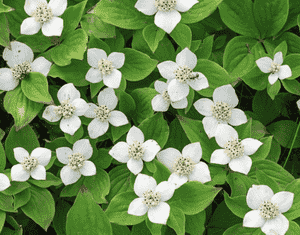
1
A low-growing plant that flourishes in low-light environments.
2
Offers aesthetic appeal through its attractive white blooms and crimson fruits.
3
Benefits native fauna by supplying sustenance and shelter.
What Makes Bunchberry dogwood Distinctive?
Peculiar Growth Patterns
A key characteristic of Bunchberry dogwood is its unique growth habits. This plant forms a thick ground cover, making it perfect for shaded garden areas. Its low-lying nature means it spreads easily, reducing maintenance needs and helping to control weed growth.
Visual Appeal
Bunchberry dogwood is highly valued for its aesthetic qualities. In spring and early summer, it produces lovely white blossoms that add delicate charm to any garden. After flowering, the plant bears vivid red berries that not only boost visual interest but also attract various birds, adding dynamic wildlife interaction to your garden.
Ecological Advantages of Bunchberry dogwood
Supporting Local Wildlife
Bunchberry dogwood plays a vital role in supporting local wildlife. Its berries are a significant food source for birds and small mammals, providing essential nutrition during autumn and winter. Additionally, its dense foliage offers much-needed habitat and shelter for insects and small animals, contributing to a balanced and thriving ecosystem.
Soil Health Improvement
Bunchberry dogwood also positively impacts soil health. Its root system helps prevent soil erosion, especially on sloped or hilly terrain, by stabilizing the ground. Furthermore, the plant adds organic matter to the soil as it decomposes, enriching it with nutrients and enhancing its overall structure. This natural process supports healthier plant communities and boosts soil fertility.
How to Integrate Bunchberry dogwood into Your Garden?
Optimal Growing Conditions
For best growth, Bunchberry dogwood thrives in cool, moist environments, often found in wooded areas. It prefers shaded to partially shaded spots with well-draining, acidic soil. Ensuring these conditions will promote vigorous growth and a robust ground cover, making Bunchberry dogwood a reliable choice for beautifying less sunny garden areas.
Planting and Care Advice
Planting Bunchberry dogwood in your garden requires minimal effort. Begin by preparing the soil with organic compost to improve fertility. Plant in spring or fall, spacing individual plants about 12-18 inches apart to allow for spreading. Water regularly during the first growing season to establish strong roots. Maintenance is simpleâtrim back excessive growth after flowering and mulch annually to retain moisture and suppress weeds.
Can Bunchberry dogwood Be Used In Landscaping?
Design Adaptability
Bunchberry dogwood offers great flexibility in landscape design. Its ability to form a dense, uniform ground cover makes it an excellent choice for under-planting around trees, along shaded paths, or in rock gardens. The plant's seasonal interestâfrom spring blooms to fall berriesâprovides continuous visual appeal that enhances garden aesthetics throughout the year.
Pairing with Other Plants
To maximize landscape impact, consider combining Bunchberry dogwood with other shade-loving plants. Ferns, hostas, and other woodland perennials can complement its growth habit and flowering cycle. This combination will create a lush, diverse planting scheme that promotes biodiversity and visual interest.



