How to Transplant American bittersweet?
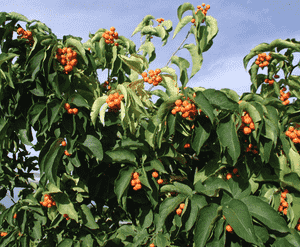
Transplant american bittersweet once temperatures rise and vegetation restarts, generally during the pleasant period connecting spring and summer. Select bright locations featuring soil that drains effectively. Carefully position american bittersweet, guaranteeing sufficient room for its vigorous climbing stems to grasp upcoming structures.
Preparations Required Before Relocating American Bittersweet
Optimal Period for Moving American Bittersweet?
The best time to move american bittersweet is from late spring to early summer. This timeframe allows american bittersweet to settle into warmer soil, promoting robust root development before autumn. The mild yet warm conditions provide an ideal balance for american bittersweet to flourish, minimizing transplant shock and encouraging strong growth. This period leverages longer days and ample sunlight, strengthening the plant as it adapts to its new environment.
Recommended Spacing Between American Bittersweet Plants?
Ensure american bittersweet has ample room to expand! Position each plant approximately 10-15 feet (3-4.5 meters) apart. This spacing guarantees that every plant receives sufficient nutrients, light, and water for optimal growth.
Ideal Soil Mixture for American Bittersweet Transplantation?
American bittersweet thrives in fertile, well-draining soil. Conduct a soil test prior to transplanting. If the soil lacks nutrients, incorporate a base fertilizer rich in organic matter to enhance soil health. You're off to a great start!
Selecting a New Location for Your American Bittersweet?
Choose the perfect spot for your american bittersweet. Since it loves sunlight, select a location where it will receive full sun for at least six hours daily. A sunny plot will lead to spectacular blooms. Happy gardening!
Equipment to Prepare Before Transplanting American Bittersweet?
Gardening Gloves
To protect your hands when handling soil and american bittersweet saplings.
Shovel or Spade
Essential for digging appropriate holes and moving earth.
Trowel
For carefully extracting the plant from its current container or seedling tray.
Lopper/Pruners
To trim any excessively long or damaged roots.
Garden Hose or Watering Can
For moistening the soil and hydrating the plant.
Driving Sticks or Stakes
To support the plant as it becomes established.
Garden String or Twine
To secure american bittersweet to the stake without harming the stems.
How to Extract American Bittersweet from the Soil?
How to Extract American Bittersweet from the Soil?
From Ground: Water the american bittersweet plant to dampen the soil. Use a shovel or spade to dig a wide trench around the plant, ensuring the root ball remains intact. Carefully slide the spade beneath the root ball to lift the plant from its original spot.From Pot: Water the potted american bittersweet thoroughly before starting the transplant. Gently hold the base of the plant and invert the pot. Tap the pot's rim on a firm surface; the root ball should slide out easily.From Seedling Tray: Use a trowel or spoon to delicately scoop out the seedlings. Avoid damaging the root system. Carefully lift each american bittersweet seedling along with its surrounding soil.
Step-by-Step Guide for Transplanting American Bittersweet
Prepare the New Site
Ready the new planting hole before removing american bittersweet from its initial location. The hole should be twice as wide and as deep as the root ball.
Remove american bittersweet
Follow the previously explained method to remove american bittersweet from its original spot, depending on whether it's in the ground, a pot, or a seedling tray.
Position in Hole
Place american bittersweet in the center of the hole. The top of the root ball should be level with the surrounding soil surface.
Backfill
Refill the hole with the excavated soil. Gently firm the soil around the base of american bittersweet to secure it.
Water
Water the plant immediately after planting, ensuring the soil is thoroughly saturated.
Stake
If needed, stake the plant to provide support until the roots anchor in the new soil.
Post-Transplantation Care for American Bittersweet?
Staking
Support american bittersweet with stakes, especially if the plant is tall or exposed to wind.
Pruning
Limit growth in the first year to allow roots to establish. Trim off any dead or diseased parts.
Watering
Keep the plant well-hydrated, particularly during dry, hot periods. Avoid overwatering to prevent root rot.
Inspecting
Regularly check the plant for signs of shock, such as wilting and yellowing. If these symptoms persist, consult a gardening expert or online resources.
Troubleshooting Common Issues with American Bittersweet Transplantation.
When is the best time to transplant american bittersweet?
The ideal period for transplanting american bittersweet is in late summer to early fall (S3-S4), when the plant is dormant.
What's the optimal spacing between american bittersweet plants during transplanting?
To allow sufficient room for growth, ensure a distance of 10-15 feet (3-4.5 meters) between each american bittersweet plant.
Why are my transplanted american bittersweet plants wilting?
Wilting can be a symptom of transplant shock. Ensure the plant is well-watered immediately after transplanting, and regularly thereafter.
What type of soil is suitable for transplanting american bittersweet?
American bittersweet plants thrive in well-drained soils. Ensure the soil isn't overly clayey or sandy; it should be rich in organic matter.
What to do if my transplanted american bittersweet plant is showing slow or no growth?
Ensure that american bittersweet receives adequate sunlight and water. Also, consider adding a slow-release fertilizer to encourage growth.
Should I prune american bittersweet before transplanting?
Pruning american bittersweet before transplanting is not essential. However, it can help reduce transplant shock by limiting water loss.
What's the proper planting depth for transplanting american bittersweet?
A good guideline is to plant american bittersweet at the same depth it was previously growing. Planting too deep or too shallow can harm the plant.
Can american bittersweet transplanting be done in containers?
Yes, american bittersweet can initially be transplanted into containers. However, they will eventually require more space to grow healthily.
How to prevent disease while transplanting american bittersweet?
To prevent disease, sterilize pots and tools before use, and ensure the soil has good drainage to prevent waterlogging and fungal growth.
Should I water american bittersweet immediately after transplanting?
Absolutely! Watering american bittersweet generously after transplanting is crucial. It helps settle the soil around the roots and minimizes transplant shock.



