The Hidden Danger in Your Home? Unmasking the Toxicity of the American bittersweet Plant.
1
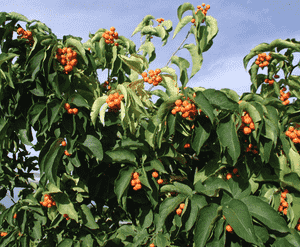
The berries and seeds of American bittersweet are the most poisonous components of the plant, harboring hazardous chemical substances.
2
Serious symptoms of American bittersweet toxicity in humans can involve nausea, loose stools, convulsions, and unconsciousness.
3
In both felines and canines, ingesting even a tiny quantity of American bittersweet can result in emesis and digestive upset.
Is American bittersweet toxic to humans?
American bittersweet is considered a toxic plant that can lead to minor to moderate sickness if consumed. The plant's fruit, including its seeds, is confirmed to be the most harmful, though all other sections may also be poisonous. The toxic components of the plant are known to contain cardenolides and harmful alkaloids â hazardous chemical compounds that can induce mild to severe digestive upset in people upon ingestion. Common poisoning symptoms may include throwing up, loose stools, queasiness, stomach discomfort, excessive perspiration, fainting, and convulsions.
Is American bittersweet toxic to cat?
American bittersweet poses a mild to moderate toxicity risk to felines. Typical signs include throwing up and loose stools after consuming a small quantity. Should a cat ingest a large amount, the toxins in its fruits, foliage, and potentially every part of the plant could lead to muscle weakness and seizures.
Is American bittersweet toxic to dog?
American bittersweet presents a moderate toxicity risk to canines. Severe responses to the plant might necessitate immediate veterinary care, but typically, only a small amount is consumed, leading to mild reactions. All sections of the plant contain some toxins, with the highest concentration found in the berries. Symptoms of American bittersweet poisoning include vomiting and diarrhea. In more serious instances, significant lethargy, tremors, or seizures might also manifest.



