The American bittersweet Plant Advantage: Maximizing Home and Office Appeal and Wellness
1
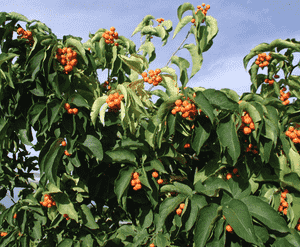
American bittersweet is recognized for its vivid orange fruits, bringing remarkable aesthetic appeal to any outdoor space.
2
This botanical specimen flourishes across diverse soil conditions, offering adaptability to cultivators.
3
American bittersweet contributes positively by furnishing natural environments for avian species and other fauna.
What Makes American bittersweet So Special?
Ornamental Value
American bittersweet is prized for its striking appearance, especially its vivid orange-red fruits. These berries typically appear in autumn and stay vibrant through winter, offering a burst of color when most plants have shed their leaves. The twisting vines and serrated foliage add an extra layer of texture and visual appeal, making American bittersweet an attractive addition to trellises, arbors, and fences.
Ecological Benefits
Beyond its aesthetic appeal, American bittersweet plays a crucial role in supporting local ecosystems. The berries serve as a vital food source for birds during colder months, while the dense foliage provides excellent shelter and nesting sites. This interdependent relationship highlights the importance of American bittersweet in maintaining biodiversity within your garden.
Low Maintenance Requirements
One of the key attributes of American bittersweet is its minimal care needs. This plant is remarkably resilient, capable of thriving in various soil types and conditions. Whether your soil is sandy, loamy, or clay, American bittersweet can adapt and flourish. Its drought tolerance and pest resistance also mean you can enjoy its advantages without extensive upkeep and intervention.
How Can You Incorporate American bittersweet Into Your Garden?
Designing with American bittersweet
American bittersweet offers significant versatility in garden design. It is frequently used to create natural screens or privacy hedges due to its dense, vining growth habit. You can train American bittersweet to ascend pergolas or trellises, adding vertical interest to your landscape. Additionally, the trailing vines can enhance the beauty of retaining walls or rock gardens, providing a lush, green backdrop year-round.
Companion Planting Ideas
To maximize the aesthetic and practical benefits of American bittersweet, consider pairing it with other complementary plants. Combine it with evergreens and grasses for a striking contrast in texture and color. Spring-blooming perennials and summer annuals can also be excellent companions, ensuring your garden remains vibrant throughout the growing season. Selecting native species that thrive in similar conditions can further enhance the ecological value of your garden.
What Are the Practical Uses of American bittersweet?
Crafts and Decorations
The long, flexible stems of American bittersweet are perfect for various craft projects. You can use the vines to create wreaths, garlands, and other natural decorations. The vibrant berries add a festive touch to holiday decor, making American bittersweet a popular choice for DIY enthusiasts. Harvesting and drying these materials is straightforward, allowing you to enjoy the beauty of American bittersweet indoors as well.
Erosion Control
American bittersweet is also an effective solution for erosion control. Its robust root system helps stabilize soil on slopes and embankments, reducing the risk of erosion and promoting soil health. Planting American bittersweet in areas prone to erosion can improve landscape resilience and prevent soil degradation, benefiting your garden's overall health and sustainability.
How Can You Care for and Maintain American bittersweet?
Pruning Techniques
Regular pruning is crucial for maintaining the shape and vitality of American bittersweet. Pruning encourages new growth and helps keep the plant within desired limits. It's best to prune in late winter or early spring before new growth commences. Remove any dead or diseased stems and thin out crowded areas to promote air circulation.
Pest and Disease Management
While American bittersweet is generally resistant to pests and diseases, occasional issues may arise. Keep an eye out for common garden pests such as aphids or spider mites. If you notice any infestations, treat them promptly with appropriate organic or chemical controls. Maintaining good garden hygiene and ensuring proper spacing can also prevent the spread of diseases.



