How to Propagate American bittersweet?
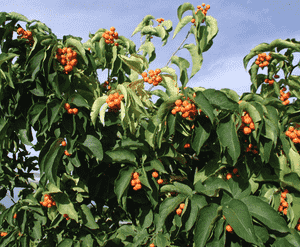
You can propagate American bittersweet using either softwood cuttings or layering methods throughout the prime period of spring and summer. The propagation process presents a moderate challenge, with indicators of successful establishment being the emergence of roots and fresh sprouts. It is advisable to maintain damp soil conditions and ensure sufficient exposure to sunlight for the best development.
When Is the Optimal Time to Propagate American Bittersweet?
Propagation Method
Cutting
Propagation Period
Spring,Summer
What Equipment Is Used for American Bittersweet Propagation?
Sharp pruning shears
Pruning shears are vital for obtaining clean, precise cuttings from the parent american bittersweet plant. A keen blade minimizes harm to plant tissues, lowering infection risk and promoting quicker healing. Features like bypass blades are perfect for making clean cuts without crushing stems.
Rooting hormone
Rooting hormone enhances the likelihood of successful root formation in american bittersweet cuttings. It promotes faster root initiation and supports stronger root development, which is crucial for the new plants' viability.
Sterilization tools (e.g., alcohol wipes, bleach solution)
Sterilization tools prevent the spread of diseases among plants. Before cutting american bittersweet, ensuring pruning shears and other tools are sterilized is essential for maintaining plant health during and after propagation.
Soilless potting mix or peat moss
A soilless potting mix or peat moss provides a sterile, well-draining medium, vital for rooting american bittersweet cuttings. It prevents damping-off and other soil-borne diseases, while retaining sufficient moisture for root growth without waterlogging.
Propagating tray with a clear plastic dome
A propagating tray with a clear dome creates a miniature greenhouse environment that maintains high humidity and stable temperatures, encouraging the rooting of american bittersweet cuttings. The clear dome allows sunlight penetration while reducing water loss, critical for cuttings to thrive.
Heat mat (optional)
A heat mat gently warms the soil, which can stimulate faster root growth in american bittersweet cuttings, especially in cooler climates. Consistent warmth at the rooting zone is beneficial for american bittersweet's propagation success.
Misting bottle
A misting bottle helps maintain humidity levels around american bittersweet cuttings, which is important for keeping them hydrated without overwatering, thereby preventing root rot and other moisture-related issues.
How to Nurture Your Newly Propagated American Bittersweet?
How to Nurture Your Newly Propagated American Bittersweet?
Once the american bittersweet cutting has developed a robust root system, which can be confirmed by gently pulling on the stem to feel resistance, gradually acclimatize the plant to less humid conditions over about a week. Transplant it to a larger container or directly into the garden in an area with full to partial sun and well-drained soil. Water consistently to keep the soil moist but not saturated, and provide support like a trellis or fence for climbing as american bittersweet is a vining plant. Monitor for pests and diseases and apply balanced fertilizer during the growing season to ensure vigorous growth.
Common Errors to Avoid When Propagating American Bittersweet
Ignoring sex of plants
Gardeners often overlook that american bittersweet is dioecious, meaning it has separate male and female plants. Propagating only one sex results in a lack of fruit, as female plants require male pollinators.
Overwatering cuttings
Cuttings of american bittersweet can rot with excessive moisture. Overwatering creates conditions favorable for root rot, which hinders rooting and growth.
Ignoring hardiness zone
Attempting to propagate american bittersweet outside of its hardiness zones (3-8) leads to poor growth or death due to unsuitable climatic conditions.
Neglecting cutting health
Using diseased or weak cuttings from american bittersweet can yield poor results. Unhealthy cuttings have a diminished ability to root and grow.
Planting depth
Planting seeds or cuttings of american bittersweet too deeply affects germination and rooting, as it may impede necessary air exchange and can cause decay.
Tips For Propagating American Bittersweet
Sex balance
Ensure to propagate both male and female american bittersweet plants to guarantee fruit production. Maintain a balance when planting to ensure pollination.
Moisture management
Keep the soil moist but not waterlogged when rooting cuttings to prevent rot. Use a well-draining medium and monitor water levels.
Adequate space
Give each american bittersweet cutting or seedling sufficient space to grow. This prevents competition for resources and allows for adequate air circulation, reducing the risk of fungal diseases.
Healthy cuttings
Select robust and healthy parent american bittersweet plants for cuttings. Strong parent material enhances the chance of successful propagation.
Rooting hormone
Apply a rooting hormone to american bittersweet cuttings to stimulate root development and increase the chances of successful plant establishment.



