How to Prune American bittersweet?
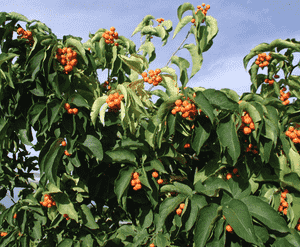
American bittersweet, a climbing woody vine recognized for its striking fruit and fall leaves, necessitates careful trimming to preserve its form and stimulate blossoms. The best periods for pruning are from late winter to early spring, prior to the emergence of new shoots. Essential methods involve removing aged wood and snipping off frail or congested branches. This practice facilitates light exposure and air movement, which are crucial for abundant flowers. Consistent pruning helps manage its expansion and prevents excessive tangling, thereby improving both its appearance and overall well-being.
Advantages of Trimming American Bittersweet
Advantages of Trimming American Bittersweet
Trimming american bittersweet promotes vigorous development and maintains its form. Through selective cutting, gardeners can foster a stronger, healthier plant that exhibits lush foliage, abundant blooms, and prolific fruit production, while also managing its size for aesthetic and spatial considerations.
Optimal Time for Trimming American Bittersweet
Optimal Time for Trimming American Bittersweet
Late winter and early spring are considered ideal for trimming american bittersweet because the plant remains dormant, minimizing stress and the risk of disease entering pruning wounds. Trimming before new growth emerges allows the plant to channel energy into producing robust, healthy shoots. This timing also prevents the removal of the current year's flowers and fruit, ensuring that american bittersweet's ornamental and wildlife-supporting qualities are not compromised.
Tools Required for Trimming American Bittersweet
Bypass Hand Pruners
Perfect for making clean cuts on smaller stems and branches of american bittersweet up to 1/2 inch in diameter. Bypass pruners create a precise cut essential for maintaining plant health.
Loppers
Suitable for cutting thicker stems and branches, typically between 1/2 inch and 1 1/2 inches in diameter. The extended handles provide leverage to cut through american bittersweet's tougher growth.
Pruning Saw
Essential for branches exceeding 1 1/2 inches in thickness. A pruning saw can manage the more substantial woody growth of american bittersweet without harming the plant.
Pruning Shears
A more precise instrument for shaping american bittersweet and controlling its rapid growth habit. Ideal for cutting smaller, more delicate stems.
Gloves
A non-tool necessity, but crucial for protecting hands when working with american bittersweet, which can have rough stems that may cause irritation or injury.
How to Trim American Bittersweet
Step1: Timing for Dormant Trimming
Schedule the trimming of american bittersweet appropriately. The best time to trim american bittersweet is in late winter or early spring while the plant is still dormant, before new growth begins. This timing helps prevent excessive sap loss and encourages vigorous spring growth.
Step2: Tool Sanitization Before Trimming
Sanitize your trimming tools. Before you begin trimming american bittersweet, clean your shears or saws with a solution of 1 part bleach to 9 parts water to prevent the spread of disease.
Step3: Dead Wood Removal
Begin with dead wood. Carefully identify and remove any dead, diseased, or broken branches by cutting them at their point of origin. Make cuts close to the trunk or main branch, without leaving stubs, to promote better healing.
Step4: Damaged Stem Trimming
Inspect for damaged stems. Look for any stems that have been damaged by weather, disease, or insects. Trim these stems back to healthy tissue just above a bud or a lateral branch, making a clean diagonal cut that slopes away from the bud.
Step5: Thinning for Rejuvenation
Thin out old branches to rejuvenate american bittersweet. Cut back some of the oldest and largest branches to a main branch or the base of the plant to encourage new growth and improve air circulation. Limit the removal to about one-third of the plant to avoid shocking it.
Step6: Aesthetic Shaping and Structure
Shape american bittersweet for aesthetic or structural purposes. If additional shaping is needed, selectively trim branches to maintain the desired form and direction of growth. Try to maintain a natural shape rather than creating a manicured look.
Step7: Post-Trimming Inspection
Conduct a final inspection. After trimming american bittersweet, step back to review your work. Look for any areas you may have missed, and check for balance and symmetry in the plant's shape.
Step8: Trimmed Material Disposal
Clean up. Collect all trimmed material and dispose of it properly away from american bittersweet to minimize the risk of pest or disease problems. This helps maintain garden cleanliness.
Step9: Watering After Trimming
Water american bittersweet after trimming. Provide american bittersweet with a generous amount of water to help it recover from the trimming process, especially if the weather is dry.
Step10: Plant Health Monitoring
Monitor the plant's response. Over the next weeks and months, observe how american bittersweet responds to trimming. Adjust future trimming as necessary based on the plant's growth and health. Regular assessment ensures optimal care for american bittersweet.
Aftercare for American Bittersweet Post-Trimming
Aftercare for American Bittersweet Post-Trimming
Immediately after trimming american bittersweet, ensure the cuts are clean to facilitate healing. Maintain moderate light exposure to reduce stress, while ensuring the temperature remains consistent and humidity is adjusted to prevent drying out. Apply a balanced fertilizer to support regrowth, but avoid over-fertilization. Regularly inspect the trimming sites for signs of disease or pests, responding promptly to any abnormalities with appropriate treatments. Keeping the soil moist, but not waterlogged, will help american bittersweet recover and thrive post-trimming.
Common Trimming Errors with American Bittersweet
Overly Aggressive Trimming Weakens Plants
Trimming too aggressively, which may severely weaken american bittersweet and reduce its blooming potential or cause dieback in stems.
Over-Trimming Old Growth Compromises Support
Removing too many of the old growth stems that can contribute to american bittersweet's overall structure and offer support for new growth.
Timid Trimming Leaves Diseased Stems
Trimming too timidly and leaving diseased or damaged stems which can inhibit american bittersweet's vigorous growth and compromise plant health.
Indiscriminate Cutting Affects Growth Balance
Cutting indiscriminately without understanding american bittersweet's growth habits, which can result in unbalanced growth and diminished ornamental value.
General Trimming Advice for American Bittersweet
Remove Dead, Damaged, Diseased Stems
Identify and remove any dead, damaged, or diseased stems, as these can harbor pests and diseases that could spread to the rest of american bittersweet.
Thin Vines for Better Air and Sunlight
Thin out the vines to improve air circulation and sunlight penetration, which helps promote healthy growth and reduces the risk of fungal diseases in american bittersweet.
Trim for Shape, Cut to Outward Bud
Trim to maintain the desired shape and size of american bittersweet, focusing on cutting back to a strong, outward-facing bud to encourage vibrant outward growth.
Revitalize Old Plants with Selective Trimming
Rejuvenate older american bittersweet plants by trimming up to a third of the oldest stems at ground level to stimulate new, more vigorous growth.
Use Clean, Angled Cuts with Sharp Tools
Ensure cuts are clean and at a slight angle away from buds to prevent water accumulation and potential rot. Use sharp trimming tools to avoid damaging american bittersweet's stems.



