How Much Sunlight Do American bittersweet Need?
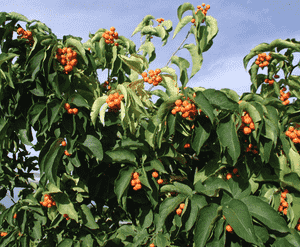
1
American bittersweet flourishes optimally in full sun, requiring a minimum of 6 hours of direct solar exposure each day.
2
While this plant can tolerate partial sun, it might exhibit diminished development and bloom production.
3
Optimal planting sites are those that get ample sunlight yet offer some protection from the afternoon sun.
Ideal Light Conditions for American Bittersweet
Full Sun Requirement
For American bittersweet, full sun is the best condition. This means the plant needs at least 6 hours of direct sunlight daily. Ample sun exposure encourages robust growth, vivid foliage, and abundant autumn berries. In a prime sunny location, American bittersweet can vigorously climb and spread, beautifully covering trellises and fences.
Partial Sun Adaptability
American bittersweet is quite flexible and can endure partial sunlight. This implies it can thrive with 3 to 6 hours of direct sun or more in scattered periods throughout the day. However, in partial sun, especially during active growth, the plant might not be as strong or produce as many berries. Still, a balance is key, as too much shade can hinder its potential.
Seasonal Light Impact
Spring and Summer Growth Period
During spring and summer, American bittersweet enters a phase of rapid development. These seasons are when sunlight is most vital. Ensure your plant receives maximum sunlight during these times to support healthy growth. Sufficient sun exposure will aid in developing strong, flexible vines characteristic of a thriving bittersweet.
Autumn and Winter Adjustments
In fall, American bittersweet begins to adapt to shorter days and less intense sunlight. This transition is gentle for the plant as it starts to conserve energy and drop leaves. By winter, with minimal sunlight, American bittersweet becomes nearly dormant. This is a natural cycle, and reduced light won't harm the plant as it prepares for colder weather, saving resources for the next vibrant spring.
Indicators of Improper Light Exposure
Recognizing Sunburn in American Bittersweet
Signs of sunburn on American bittersweet include scorched leaves, appearing brown and brittle, and wilted stems. While it loves sun, excessive, unfiltered brightness, especially during peak summer afternoons, can cause damage. If you observe these symptoms, consider providing some shade during the hottest part of the day.
Symptoms of Insufficient Light
If American bittersweet doesn't get enough sunlight, you might notice sparse foliage, stunted development, and a general lack of vigor. You may also see fewer blooms and berries. If these signs appear, it might be time to relocate your plant to a brighter spot or prune nearby plants casting too much shade.
Managing Sunlight for American Bittersweet
Choosing a Planting Site
Select a planting location that ensures your American bittersweet receives optimal sunlight. An area that gets morning sun and is protected from harsh afternoon sun can work well. It's crucial to monitor and adjust the site based on seasonal changes to maintain your plant's health year-round.
Pruning and Training Methods
Pruning American bittersweet can help manage its sunlight exposure. Regularly trim excess vines to ensure all parts of the plant get enough light. Training the plant to grow in spirals or precisely where light is abundant can simplify sunlight management. Combining strategic pruning with appropriate training techniques helps maintain balanced light distribution across the plant.



