How to Overwinter American bittersweet
1
American bittersweet is able to withstand temperatures down to -34°C (-30°F).
2
Consistent trimming prior to winter aids in preserving the plant's vitality and strength.
3
Applying mulch assists in safeguarding American bittersweet's roots from freezing conditions.
Understanding Winter Needs for American bittersweet
Understanding Winter Needs for American bittersweet
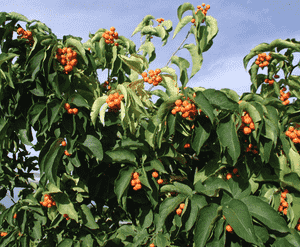
Before delving into specific care methods, it's crucial to grasp the winter requirements of American bittersweet. This resilient perennial vine is well-suited to cold climates, making it perfect for gardeners in temperate zones. Indigenous to North America, American bittersweet can endure freezing temperatures, provided it receives appropriate care and attention. As the plant enters dormancy during winter, it needs less water and nutrients but still benefits from some defense against the harshest conditions.
Preparing American bittersweet for Winter
Pruning Techniques for Overwintering
Pruning is a vital step in readying your American bittersweet for winter. Ideally, trim the plant in late autumn, after the leaves have fallen but before the initial heavy frost. Cutting back dead or diseased branches will help the plant conserve energy throughout the colder months. Additionally, thinning out crowded areas can enhance air circulation, reducing disease risk. Remember to use clean, sharp tools for precise cuts and to minimize plant damage.
Mulching Tips to Protect Roots
Mulching is crucial for safeguarding the roots of American bittersweet from freezing temperatures. Apply a layer of organic mulch, such as straw, wood chips, or compost, around the plant's base. Aim for a thickness of approximately 5-10 cm (2-4 inches). The mulch acts as an insulating barrier, maintaining stable soil temperature and preventing frost heave. Be sure to keep the mulch a few centimeters (inches) away from the plant stems to avoid rot and other issues.
Watering Guidelines Before Frost
Proper watering before the frost arrives can significantly impact how well your American bittersweet survives winter. Ensure the plant is thoroughly watered in the fall, providing deep irrigation sessions that reach the root zone. This helps the plant develop strong roots before the ground freezes. However, avoid overwatering, as waterlogged soil can lead to root rot. A good practice is to water less often but more deeply.
Ensuring Optimal Light and Shelter
Positioning American bittersweet for Best Light
Even though American bittersweet enters dormancy in winter, light exposure remains important for its overall health. Place the plant in a location where it receives ample indirect sunlight during the winter months. If planted outdoors, choose a spot that gets sufficient light but is protected from strong winds. This will support the plant's energy needs and prevent unnecessary stress.
Providing Shelter from Extreme Weather
While American bittersweet is hardy, offering some extra protection from extreme winter weather can be advantageous, especially for younger, less established plants. Consider using burlap wraps or frost blankets to shield the plant from severe frost and wind. Structures like windbreaks or temporary greenhouses can also provide additional defense. Ensuring the plant is sheltered helps prevent stem and branch breakage during winter storms.
Common Issues When Overwintering American bittersweet
How to Identify and Treat Frost Damage
Despite your best efforts, frost damage can occasionally occur. Signs of frost damage in American bittersweet include blackened or mushy stems and leaves. If you notice such symptoms, trim back the affected areas to healthy tissue using sterilized pruning shears. Early intervention can prevent the damage from spreading.
Protecting Against Pests and Diseases During Winter
Winter can be a challenging period for American bittersweet, with pests and diseases sometimes affecting the plant. Common pests include scale insects and spider mites. Regularly inspect your plant for signs of infestation and treat promptly with horticultural oil or insecticidal soap if necessary. Ensuring good air circulation through proper pruning can also help minimize the risk of disease.
Post-Winter Care for American bittersweet
Gradual Transition to Spring
As winter transitions to spring, it's crucial to gently guide your American bittersweet back into an active growth phase. Gradually remove any protective coverings and prune back any winter damage. Begin watering more frequently as temperatures rise, and consider applying a balanced fertilizer to support new growth.
Monitoring New Growth and Health
Keep a close watch on your American bittersweet during the early spring months. Look for indications of new growth, such as budding leaves and stems. Regularly inspect the plant for any lingering pests or diseases and address problems promptly. Consistent monitoring will ensure your American bittersweet thrives as it emerges from dormancy.



