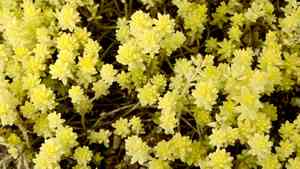
Japanese stonecrop (Sedum japonicum)
Also known as: Japanese Stonecrop, Chaba Goten, Japanese Sedum
Japanese stonecrop, exhibits succulent-like leaves and a low, spreading habit. It thrives in well-draining soil and full sun, making it an ideal choice for rock gardens and container plantings. Additionally, japanese stonecrop attracts various pollinators such as bees and butterflies with its small, star-shaped blooms.
In This Article
Attributes of Japanese stonecrop
Lifespan
Perennial
Plant Type
Succulent, Herb
Plant Height
20 cm
Spread
23 cm to 30 cm
Leaf Color
Green, can turn reddish
Flower Size
4 cm to 8 cm
Flower Color
Yellow
Images of Japanese stonecrop
Quickly Identify Japanese stonecrop
1
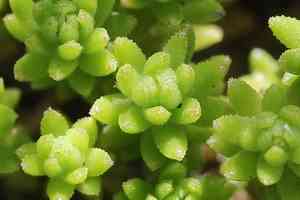
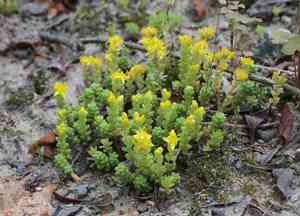
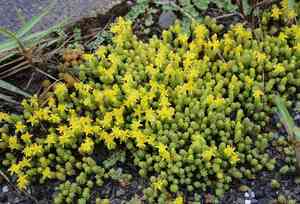
Sedum japonicum can be identified by its small, fleshy, oval leaves with a smooth margin. The leaves are usually a vibrant green but can turn reddish under stress conditions like intense sunlight. During the blooming season, it produces clusters of small, yellow, star-shaped flowers.
Scientific Classification of Japanese stonecrop
Phylum
Vascular plants
Class
Dicotyledons
Order
Saxifragales
Family
Stonecrop
Genus
Stonecrops
Species
Japanese stonecrop
Planting and Growing of Japanese stonecrop
Care Difficulty
Easy
Watering Schedule
Every 2 days
Sunlight Requirements
Full sun
Sunshine Duration
4-6 hours
Ideal Temperature
60-75℉
Soil Type
Potting Mix, Peat Mix
Soil pH
6.5-7.5
Fertilizer Type
Balanced
Pruning Season
Spring, Summer
Pruning Area
Branches, Leaves
Pruning Frequency
2 times a year
Repotting Season
Spring
Pot Type
Terracotta, Plastic
 How to Water Japanese stonecrop?
For Sedum japonicum, striking the perfect balance is crucial. Water generously enough to soak the soil without letting it become waterlogged. A typical session should involve around 100 milliliters of water, ensuring the soil is penetrated evenly during each watering. Adjust as necessary based on soil drainage and environmental factors.
What are the symptoms of an underwatered Japanese stonecrop?
›
What should I do if my Japanese stonecrop is not getting enough water?
›
What are the symptoms of an overwatered Japanese stonecrop?
›
How to save an overwatered Japanese stonecrop?
›
 What Are the Sunlight Requirements for Japanese stonecrop?
Sedum japonicum does best in partial to full sun, receiving ample sunlight. Ideal lighting enhances its growth, promotes flowering, and boosts overall vigor, ensuring lush, attractive foliage.
More About Sunlight Requirements Techniques→
What is the ideal lighting condition for Sedum japonicum?
›
How to achieve ideal lighting for Sedum japonicum?
›
What benefits come from the ideal lighting?
›
 What Is the Ideal Temperature Range for Japanese stonecrop?
Sedum japonicum thrives best in temperatures ranging from 60°F to 75°F. This range allows for optimal metabolic activity, ensuring healthy growth and vibrant foliage. Maintaining these temperatures is crucial to prevent stress and promote robust development.
 What Soil is Best for Japanese stonecrop?
Sedum japonicum thrives best in soil that offers excellent drainage. This requirement helps prevent root rot by ensuring water never lingers around the roots, allowing the plant to stay healthy and vibrant. Surprisingly, Sedum japonicum does not demand nutrient-rich soil. A leaner soil mix helps maintain the compact size and vibrant hue of the leaves, making it ideal for ornamental purposes. Although not very demanding, Sedum japonicum benefits from soil with moderate fertility. This aids in healthy growth and occasional flowering without overwhelming the plant's natural resilience to harsh conditions.
 How to Fertilize Japanese stonecrop?
For Sedum japonicum, moderate fertilization is suitable. Use a balanced, water-soluble fertilizer diluted to half the recommended strength. Apply about 50 ml of the solution per plant during active growth phases. Avoid over-fertilizing as it can damage the succulent foliage.
 How to Prune Japanese stonecrop?
Before you start pruning, take a moment to assess your Sedum japonicum. Look for any dead or damaged stems that might need removal. Identifying the growth patterns will help you focus on areas that need trimming to promote a bushier plant. Utilize sharp, clean scissors or pruning shears to make precise cuts. This prevents causing unnecessary damage to the stems and ensures a clean cut that can heal quickly, reducing the risk of disease. First, remove any dead or dying stems. This not only helps the plant's overall appearance but also allows it to conserve energy for new growth. Cut the stems back to a healthy section or remove them entirely if they are extensively damaged. Focus on cutting back any stems that are too long or that make the plant look uneven. Try to maintain a consistent shape and height. This ensures that the plant remains compact and encourages lateral growth, making it bushy. After you're done, make sure to disinfect your tools. This prevents the spread of any potential disease from one plant to another, keeping your sedums and other plants healthy.
 How to Propagate Japanese stonecrop plant?
1
To propagate Sedum japonicum through cuttings, carefully select healthy stems and use sterilized pruning shears to cut sections about 10 centimeters in length. Remove the leaves from the lower half of each cutting to facilitate root development.
2
Use a well-draining soil mix, preferably a cactus or succulent potting mix. Fill a pot or tray with the mix, making sure it is lightly moistened to provide the necessary moisture without waterlogging the cuttings.
3
Dip the base of each cutting into a rooting hormone, then insert them into the prepared soil. Ensure they are upright and stable, with at least half of the cutting below the soil surface, and provide indirect sunlight.
 How to Repot Japanese stonecrop plant?
1
Sedum japonicum should be repotted when you notice its roots growing out from the drainage holes of its pot or when the plant seems to outgrow its current container. Additionally, if the soil begins to compact and hinder drainage, it's another signal that repotting is necessary. Typically, these signs are most evident in early spring, just as the plant enters its active growth cycle.
2
Select a pot that is just one size larger than the current one. A slightly larger pot prevents excess moisture accumulation and root rot, providing enough space for root expansion. The pot should have drainage holes to ensure that excess water can escape, maintaining optimal soil moisture levels and preventing root-related issues.
3
Opt for a well-draining, sandy soil mix. This type of soil is excellent for Sedum japonicum as it mimics their natural, rocky hillside habitats. The mix ensures good air circulation around the roots and efficient water drainage, preventing the roots from sitting in wet conditions which could lead to rot.



