The Japanese stonecrop Plant Advantage: Maximizing Home and Office Appeal and Wellness
1
Sedum japonicum exhibits remarkable tolerance to dry conditions, making it ideal for xeriscaping.
2
Its thick, mat-like growth effectively prevents soil degradation.
3
This plant needs little care and thrives in diverse soil and weather environments.
Benefits of Japanese Stonecrop for Your Garden
Arid Condition Resilience
Japanese stonecrop exhibits remarkable drought tolerance, flourishing with minimal water. Its succulent leaves efficiently store moisture, allowing it to endure extended dry spells â an ideal characteristic for water-conscious gardeners. This makes it perfect for xeriscaping, where water conservation is paramount.
Soil Erosion Control
Japanese stonecrop is exceptionally effective at preventing soil erosion. Its dense, mat-forming growth can stabilize soil on inclines and banks, mitigating erosion risk. This proves particularly valuable in areas prone to heavy rainfall or for landscaping projects requiring soil stability.
Minimal Upkeep Requirements
This plant is a dream for gardeners seeking low-maintenance options. Japanese stonecrop demands little care once established. It doesnât require frequent watering or fertilization, and it's generally resistant to pests and diseases. This translates to more time enjoying your garden and less time on its upkeep.
Ecological and Aesthetic Advantages of Japanese Stonecrop
Support for Biodiversity
Japanese stonecrop positively contributes to local biodiversity by offering habitat and food sources for various insects and small wildlife. Its blooms attract pollinators like bees and butterflies, vital for a healthy ecosystem. By including this plant, you aid these beneficial creatures.
Visual Appeal
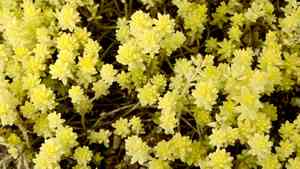
Japanese stonecrop stands out with its charming appearance. It forms a dense, lush ground cover with attractive foliage that varies in color, providing year-round visual interest. Its small, star-shaped flowers add a delightful touch, making it an appealing choice for both ornamental and practical landscape use.
Practical Uses for Japanese Stonecrop
Green Roof Applications
Japanese stonecrop is an excellent choice for green roofs due to its hardiness and low water needs. Green roofs featuring this species can improve building insulation, lessen urban heat island effects, and contribute to more sustainable urban environments.
Ground Cover and Edging
Japanese stonecrop functions well as a ground cover or border plant, filling spaces between taller plants or along pathways. Its effective soil coverage helps suppress weeds and reduces the need for chemical herbicides. Additionally, its aesthetic charm can enhance your garden's overall design.
Adaptability to Various Climates and Soils
Versatility
Japanese stonecrop is highly adaptable to diverse soil types, from sandy to loamy. It can also thrive in partial shade to full sun, making it suitable for various garden settings. This adaptability is a key reason it's favored by gardeners in diverse climates.
Cold and Heat Resilience
This robust plant can endure a wide temperature range, from cold winters to hot summers. Its ability to survive extreme weather conditions makes it a dependable choice for gardens facing diverse climatic challenges. It can be planted in USDA hardiness zones with significant temperature fluctuations.
Utilizing Japanese Stonecrop in Sustainable Landscaping
Xeriscaping Integration
Japanese stonecrop is a quintessential plant for xeriscaping projects aimed at reducing the need for supplemental irrigation. Its water-efficient nature helps conserve water, thereby promoting sustainability. Xeriscaping with Japanese stonecrop not only supports environmental conservation but also lowers water bills and reduces garden maintenance.
Inclusion in Pollinator Gardens
Integrating Japanese stonecrop into your pollinator garden can be highly beneficial. It provides a food source for pollinators, contributing to their health and proliferation. A garden that supports pollinators helps ensure the thriving of these essential species, which play a critical role in agricultural productivity and ecological balance.



