How to Transplant Japanese stonecrop?
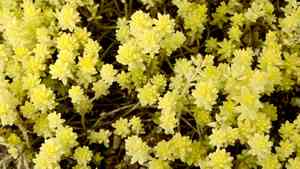
The most favorable period for relocating japanese stonecrop is during the crispness of early to mid-spring, which encourages robust development. Select a location that receives abundant sunlight and possesses soil with good drainage to guarantee the flourishing prosperity of japanese stonecrop.
What Preparations are Needed Before Transplanting Japanese Stonecrop?
What is the Ideal Time for Transplanting Japanese Stonecrop?
The optimal period for relocating japanese stonecrop spans the revitalizing season of early to mid-spring. This timeframe provides a balance of cooler temperatures and active development, which significantly aids root establishment and minimizes transplant shock for japanese stonecrop. Undertaking transplantation during this window leverages natural growth cycles, ensuring a smooth transition and robust development. This approach aligns with japanese stonecrop's growth patterns and takes advantage of moist soil conditions, crucial for root health. The helpful advice here is to synchronize your transplanting with spring's gentle warmth, highlighting nature's signal for new beginnings, and guaranteeing the best start for your japanese stonecrop.
How Much Space Should You Leave Between Japanese Stonecrop Plants?
For japanese stonecrop, it's best to allow ample room for growth. Aim to space your transplants approximately 1-2 feet (30-60 cm) apart. This enables each plant to expand and ensures healthy development. Remember, a bit of extra room is always beneficial!
What is the Best Soil Mix for Japanese Stonecrop Transplanting?
Prior to planting your japanese stonecrop, it's crucial to provide a healthy growing environment. They thrive in well-draining soil, which you can prepare with a foundational fertilizer like compost or manure. This will ensure the plant receives essential nutrients.
Where Should You Relocate Your Japanese Stonecrop?
Choosing the correct location is important for japanese stonecrop's development. Select a spot in your garden where it can receive full sun to partial shade. Excessive direct sunlight might harm the plant, so consider areas with filtered light. Good luck!
What Equipments Should You Prepare Before Transplantation Japanese Stonecrop?
Gardening Gloves
To safeguard your hands while handling soil and japanese stonecrop.
Shovel or Spade
To excavate the japanese stonecrop from its original spot without harming the root system.
Trowel
To dig small holes and for precise soil adjustments when planting japanese stonecrop.
Watering Can
To hydrate the japanese stonecrop before and after relocation.
Bucket or Container
To hold the japanese stonecrop or the displaced soil during the transplanting process.
Gardening Shears
To trim any damaged roots or foliage of the japanese stonecrop plant.
How Do You Remove Japanese Stonecrop from the Soil?
How Do You Remove Japanese Stonecrop from the Soil?
From Ground: Begin by watering the japanese stonecrop plant to moisten the soil. Using a spade, dig a wide trench around the japanese stonecrop, ensuring the root ball remains intact. Carefully lift the plant by working the spade beneath the root ball. Avoid yanking or pulling abruptly as it may injure the plant.From Pot: Water the japanese stonecrop thoroughly until the soil is damp. Tilt the pot sideways and gently tap it. The moist soil and japanese stonecrop should slide out easily. Handle the plant by its base, making sure not to damage the roots.From Seedling Tray: Water the seedlings. With a trowel or spoon, gently scoop the japanese stonecrop seedling, including its roots and surrounding soil, preventing any root damage.
Step-by-Step Guide for Transplanting Japanese Stonecrop
Preparation
Prepare the new planting hole before extracting the japanese stonecrop from its current spot. The hole should be twice as wide and as deep as the japanese stonecrop's root ball.
Removal
Follow the appropriate method to remove the japanese stonecrop from its current location, depending on whether it's in the ground, a pot, or a seedling tray.
Placement
Position the japanese stonecrop in the prepared hole. The top of the root ball should be level with the ground surface.
Backfilling
Refill the hole with the previously removed soil. Firm the soil around the base of the japanese stonecrop but avoid excessive compaction, as it can impede root expansion.
Watering
Water the japanese stonecrop thoroughly, ensuring the soil is moistened down to the root level.
How Do You Care For Japanese Stonecrop After Transplanting?
Watering
For the initial couple of weeks, keep the soil around the japanese stonecrop consistently moist but not waterlogged. Overwatering can suffocate the plant's roots, leading to root rot.
Pruning
Trim any wilting or dead leaves to redirect the japanese stonecrop's energy towards root establishment and new growth. Leave healthy foliage untouched.
Monitor
Regularly inspect the japanese stonecrop for signs of transplant shock such as wilting, yellowing, or drooping. If observed, consider providing shade or reducing irrigation.
Protection
Keep an eye on local wildlife and insects. If necessary, use eco-friendly pest control methods to keep your japanese stonecrop safe.
Troubleshooting Common Issues with Japanese Stonecrop Transplantation.
During which seasons should I transplant my japanese stonecrop?
The optimal seasons to transplant your japanese stonecrop are in the 'S1-S2' period – that's when it thrives best!
What is the correct spacing for planting japanese stonecrop?
Each japanese stonecrop should be spaced approximately 1-2 feet (30-60 cm) apart. This provides each plant ample room to spread and grow.
How deep should I plant the japanese stonecrop?
You should plant japanese stonecrop as deep as the root ball plus 50% of its height. This depth ensures firm support for the plant.
What should I do if the japanese stonecrop doesn't seem to settle well after transplanting?
Firstly, ensure it's transplanted during S1-S2. If the issue persists, ensure your japanese stonecrop has sufficient sunlight, moisture, and its roots weren’t damaged during transplantation.
Can I transplant japanese stonecrop in a pot?
Yes, japanese stonecrop can be comfortably grown in a pot. Just ensure there is adequate drainage and the pot is spacious enough for growth.
How should I water japanese stonecrop after transplantation?
Water your japanese stonecrop thoroughly after transplanting. Continue watering until the plant is established, but remember, japanese stonecrop doesn't like overwatering!
How long does it take for japanese stonecrop to establish after transplanting?
Japanese stonecrop generally needs a few weeks to become established after transplanting. Be patient and continue caring for it.
What should I do if the leaves of japanese stonecrop start turning yellow post-transplant?
Yellowing leaves can indicate overwatering. Reduce the amount of water and ensure the plant isn't sitting in standing water.
Why isn't my japanese stonecrop spreading after transplantation?
Ensure your japanese stonecrop is placed in a sunny location with well-drained soil. If these conditions are met, give it time – it may be slow to spread initially.
Can I transplant japanese stonecrop multiple times in a season?
Although japanese stonecrop is a sturdy plant, it's advisable to limit the number of transplants in a season to reduce stress and allow it time to establish.



