How Much Sunlight Do Japanese stonecrop Need?
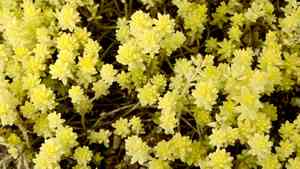
1
Japanese stonecrop flourishes with over six hours of direct sun each day.
2
While this plant tolerates some shade, it reaches its peak development in bright, unobstructed light.
3
Monitoring foliage hue and development habits assists in fine-tuning the light exposure for your Japanese stonecrop.
Ideal Illumination Requirements for Japanese stonecrop
Daily Sunlight Duration Needed?
Japanese stonecrop thrives with a minimum of 6 hours of direct sun each day. Proper placement is vital for the plant to receive ample light throughout the day, ensuring robust growth and health. Sunny windowsills or bright outdoor locations are perfect.
Light Types: Direct vs. Indirect
Japanese stonecrop prefers direct sun but can endure some indirect light. Direct sun means uninterrupted exposure to solar rays, essential for photosynthesis, while indirect light is filtered by objects like curtains or foliage. Ensure your Japanese stonecrop primarily gets direct sunlight for best development.
Impact of Varying Light Intensities on Japanese stonecrop
Advantages of Full Sun Exposure
Full sun exposure encourages vigorous growth, vivid coloration, and abundant flowers in Japanese stonecrop. With over 6 hours of daily sunlight, the plant produces more nutrients, boosting its overall vitality and resilience.
Adaptation to Partial Shade
While Japanese stonecrop prefers full sun, it can adjust to partial shade conditions. In shadier spots, growth may be less robust, and the plant might stretch towards light, becoming elongated. Nevertheless, it can survive and even flourish with at least 3-4 hours of sunlight daily.
Guidance for Modifying Light Levels
Monitoring and Adjusting Illumination
Regularly check your Japanese stonecrop for indications of too little or too much sun. Yellowing foliage or stunted development suggests a need for more light, while scorched edges or wilting imply excessive sun. Repositioning the plant can effectively address these issues.
Utilizing Grow Lights for Indoor Cultivation
If cultivating Japanese stonecrop indoors, especially in less sunny regions, grow lights can supplement natural sunlight. Full-spectrum LED grow lights can mimic solar radiation, supplying your plant with the necessary energy for photosynthesis.
Common Sunlight Challenges and Their Solutions
Indicators of Excessive Sunlight
Japanese stonecrop exposed to too much sun may show scorched leaves, characterized by brown, crisp edges or tips. It might also appear wilted despite adequate watering. Moving the plant to a less intense light environment can alleviate these effects.
Indicators of Insufficient Sunlight
Inadequate sunlight can result in leggy growth, where Japanese stonecrop stems extend in search of light. Leaves may become pale or yellow due to reduced chlorophyll production. Relocating your plant to a brighter spot or using grow lights can rectify this.
Remedial Actions for Light-Related Problems
For excessive sunlight, provide some shade with nets or move the plant to a less direct light area. For insufficient light, gradually increase the plant's exposure to sunlight, ensuring it adapts without shock. Indoors, place near a south-facing window or use grow lights to simulate natural light.



