Enhancing Your Garden Design with the Japanese stonecrop Plant: A Landscaping Guide
1
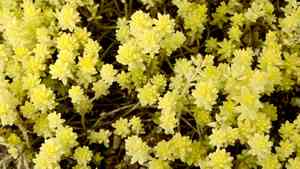
Sedum japonicum is an easy-care plant suitable for diverse garden designs.
2
Adding Sedum japonicum to your garden can help sustain local fauna.
3
Sedum japonicum provides visual charm and ecological advantages year-round.
Introducing Japanese Stonecrop for Outdoor Spaces
Understanding Japanese stonecrop's role in garden design
When designing a garden or outdoor area, plant selection is crucial. Japanese stonecrop, with its adaptability and subtle appeal, can greatly enhance your landscape's aesthetic. This resilient plant thrives in various conditions, making it a valuable addition to any garden. Whether you desire a lush groundcover or a delicate accent in a rock garden, Japanese stonecrop offers an ideal solution.
Key features of Japanese stonecrop beneficial for landscaping
Japanese stonecrop is recognized for its succulent, needle-like leaves and bright yellow blossoms from late spring to early summer. These attributes not only add visual interest but also make it a water-wise option for gardeners. Its low-growing, mat-forming habit serves as an excellent ground cover, helping to suppress weeds. Moreover, Japanese stonecrop flourishes in well-drained soil, requiring minimal upkeep once established, making it perfect for both new and experienced gardeners.
Integrating Japanese Stonecrop into Various Garden Styles
Modern and minimalist gardens featuring Japanese stonecrop
Modern and minimalist gardens often prioritize clean lines and simple plantings. Japanese stonecrop integrates well into these designs due to its tidy, compact growth and subtle yet striking foliage. Arrange Japanese stonecrop in geometric patterns or alongside architectural elements to achieve a sleek, contemporary look. Its ability to thrive in containers also makes it an excellent choice for modern, urban environments.
Cottage-style landscapes and the charm of Japanese stonecrop
For a more traditional, cottage-style garden, Japanese stonecrop adds a touch of charm and whimsy. Its bright yellow flowers complement the softer tones of roses, lavender, and other cottage garden staples. Utilize Japanese stonecrop to border pathways, fill gaps in flowerbeds, or cascade over walls and pots. Its informal, spreading nature enhances the relaxed and inviting atmosphere of cottage gardens.
Rock gardens and the natural suitability of Japanese stonecrop
Rock gardens aim to replicate natural, rugged terrains, often featuring various tough, drought-tolerant plants. Japanese stonecrop is a natural fit for such settings, thriving in the well-drained, rocky soils typical of these gardens. Plant Japanese stonecrop among stones, gravel, and other succulents to create a resilient, low-maintenance landscape that provides year-round appeal.
Seasonal Considerations for Japanese Stonecrop
Optimal planting times for Japanese stonecrop to ensure robust growth
Timing is crucial when planting Japanese stonecrop to ensure proper establishment and thriving. The best time to plant Japanese stonecrop is during spring or early fall when temperatures are moderate. This allows the plant to develop strong roots before intense summer heat or winter cold arrives. Planting during these periods also leverages natural rainfall, reducing the need for extra watering.
Adjusting Japanese stonecrop care based on the seasons
Japanese stonecrop is a resilient plant that requires varied care routines throughout the year. In spring, ensure adequate moisture to support new growth. During hot summer months, its drought-resistant nature shines, requiring less frequent watering. In fall, light pruning can help maintain its shape and encourage healthy development. Winter care is minimal, but a layer of mulch can protect roots in colder regions.
Environmental Benefits of Using Japanese Stonecrop in Your Garden
Ecological advantages of incorporating Japanese stonecrop
Using Japanese stonecrop in your landscape design offers several ecological benefits. Its drought-resistant nature helps conserve water, making it an eco-friendly choice for areas prone to drought. Additionally, Japanese stonecrop can improve soil health by preventing erosion and increasing organic matter as its leaves decompose.
Japanese stonecrop's contribution to local biodiversity
Planting Japanese stonecrop can also support local biodiversity by providing habitat and food for beneficial insects. Its flowers attract pollinators such as bees and butterflies, which are vital for the health of your garden and the wider ecosystem. By incorporating Japanese stonecrop into your landscape, you're creating a welcoming environment for wildlife and contributing to ecological balance.
Maintenance Tips for Japanese Stonecrop in Landscaping Designs
Simple practices for maintaining healthy Japanese stonecrop plants
Caring for Japanese stonecrop is straightforward, making it a favorite among gardeners seeking low-maintenance options. Ensure it is planted in well-drained soil and receives full to partial sunlight. Watering should be moderate, especially during extended dry periods. Regularly check for any signs of pests or diseases, though Japanese stonecrop is generally resistant to most common garden issues.
Periodic checks and balances for maintaining Japanese stonecrop
To keep Japanese stonecrop looking its best, periodic maintenance is recommended. Trim back any overgrown areas to maintain its shape and prevent it from crowding out neighboring plants. Remove any dead or damaged foliage to promote healthy growth. Additionally, applying a balanced, slow-release fertilizer in the spring can provide essential nutrients to support vibrant growth throughout the season.



