How to Propagate Japanese stonecrop?
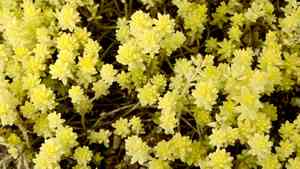
Sedum japonicum flourishes in permeable soil and bright to moderate sunlight, rendering it adaptable to diverse garden environments. Propagating Sedum japonicum is most effectively achieved using cuttings from vigorous shoots. Choose a sturdy, non-blooming stem and sever a segment approximately 2-4 inches in length. Allow the severed piece to air-dry for one to two days to develop a protective callus, thereby minimizing the likelihood of decay. Insert the cutting into a damp, free-draining potting blend, ensuring adequate contact. Root development generally occurs within several weeks, following which regular hydration and a progressive acclimation to external conditions facilitate successful growth.
What Is the Best Time To Propagate Japanese Stonecrop?
Propagation Type
Cutting
Propagation Season
Spring,Summer
What Tools Are Used in Japanese Stonecrop Propagation?
Sharp Pruning Shears
These are essential for making clean cuts on japanese stonecrop stems or leaves, minimizing harm to plant tissues. Clean cuts reduce disease risk and improve rooting. Shears should have sharp blades to cut thick succulent stems without crushing them.
Rooting Hormone
This product helps speed up root formation from japanese stonecrop cuttings. Dipping the cut end of a stem or leaf into rooting hormone encourages faster root growth and increases propagation success. This is especially helpful for japanese stonecrop, as succulents can root slowly.
Well-Draining Potting Mix
A specialized potting mix that improves drainage is crucial for japanese stonecrop. This prevents excess moisture around roots, which can cause root rot â a common issue in succulent propagation. The mix should contain perlite, sand, and organic matter for proper air and moisture balance.
Propagating Trays or Small Pots
These containers are used for planting japanese stonecrop cuttings. Trays or small pots allow individual care for each cutting, ensuring they have the necessary space and environment for root development. They should have adequate drainage holes to prevent waterlogging.
How to Propagate Japanese Stonecrop?
Propagation Type
Easy
How to Care for Your Newly Propagated Japanese Stonecrop?
How to Care for Your Newly Propagated Japanese Stonecrop?
After propagation, ensure japanese stonecrop receives bright, indirect light, and water only when the top inch of soil feels dry. Gradually introduce it to more direct sunlight. Fertilize with a balanced liquid fertilizer every 2-4 weeks during the growing season. Once well-rooted with new growth, it can be repotted or moved outdoors.
Common Mistakes to Avoid When Propagating Japanese Stonecrop
Overwatering
Excessive watering can lead to root rot in japanese stonecrop, which has succulent leaves and stems that retain moisture. This error can waterlog plants, hindering root development and potentially causing decay.
Lack of drainage
Poorly draining soil or containers can trap water around japanese stonecrop's roots. As a plant that thrives in well-drained conditions, this can be harmful, leading to root rot and stunted growth.
Cutting too short
Using stem cuttings that are too short can result in insufficient nodes for root development. Nodes are vital as they contain the meristematic cells necessary for root growth.
Neglecting to heal cuttings
Not allowing japanese stonecrop cuttings to callous before planting increases the risk of disease and moisture loss. The healing process creates a protective layer, minimizing these risks.
Too much direct sunlight
Although japanese stonecrop enjoys bright light, placing cuttings in direct sunlight before they root can cause dehydration and sunburn, damaging delicate tissues.
Tips For Propagating Japanese Stonecrop
Proper watering
Ensure the soil is moist but not saturated during the rooting phase. Once rooted, japanese stonecrop should be watered sparingly, as it is drought-tolerant and susceptible to overwatering.
Adequate drainage
Use a well-draining potting mix and containers with drainage holes to support the health of japanese stonecrop's roots, preventing water retention that can cause root rot.
Optimal cutting length
When propagating japanese stonecrop from stem cuttings, an ideal length is 2-4 inches, with several nodes present to ensure successful rooting.
Allow cuttings to heal
After cutting, let the ends of the cuttings dry and callous over for a few days before planting to promote healthy root development and reduce disease risk.
Indirect sunlight
Place cuttings in bright, indirect light to encourage rooting without causing damage from direct, intense sunlight. This provides an ideal environment for japanese stonecrop to establish.



