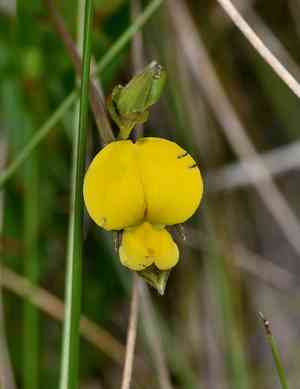
Pursh's rattlebox (Crotalaria purshii)
Also known as: Rattlebox, Pursh's Crotalaria
Pursh's rattlebox is an herbaceous plant characterized by its trifoliate leaves and bright yellow, pea-like flowers. It commonly grows in sandy soils and open, disturbed areas, often under full sun. The plant features a deep root system that helps it retain water in dry conditions. Its seed pods are inflated and produce a rattling sound when shaken, which aids in seed dispersion.
In This Article
Attributes of Pursh's rattlebox
Lifespan
Annual
Plant Type
Herb
Plant Height
0 mm to 91 cm
Spread
Not applicable - Typically more of a shrubby growth form
Leaf Color
Green
Flower Size
1-2 cm
Flower Color
Bright Yellow
Images of Pursh's rattlebox
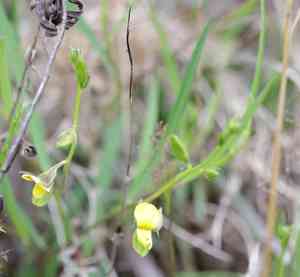
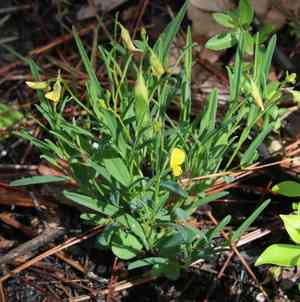
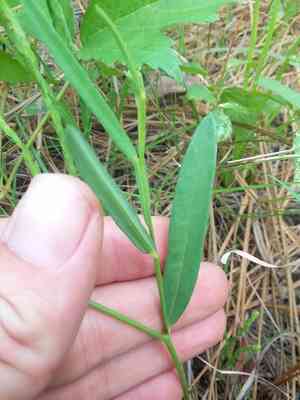
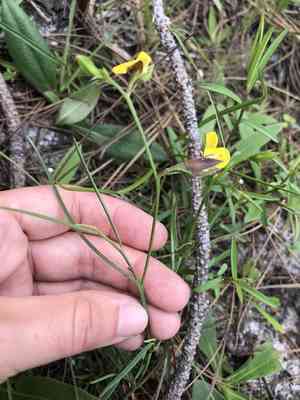
Quickly Identify Pursh's rattlebox
1
Look for bright yellow pea-like flowers and seed pods that make a rattling sound when dry. The plant has compound leaves with numerous small leaflets.
Scientific Classification of Pursh's rattlebox
Phylum
Vascular plants
Class
Dicotyledons
Order
Fabales
Family
Legume
Genus
longbeak rattlebox
Species
Pursh's rattlebox
Planting and Growing of Pursh's rattlebox
Care Difficulty
Moderate
Watering Schedule
Every 2 days
Sunlight Requirements
Full sun
Sunshine Duration
6-10 hours
Ideal Temperature
70-80℉
Soil Type
Potting Mix, Peat Mix
Soil pH
6.5-7.5
Fertilizer Type
Balanced
Pruning Season
Spring, Summer
Pruning Area
Branches, Leaves
Pruning Frequency
2 times a year
Repotting Season
Spring
Pot Type
Plastic, Ceramic
 How to Water Pursh's rattlebox?
For Crotalaria purshii, provide a modest amount of water, typically around 250 milliliters per watering. The key is to ensure that the soil is thoroughly moistened without becoming waterlogged. The soil should feel damp to the touch, but not saturated, allowing excess water to drain out completely.
What are the symptoms of an underwatered Pursh's rattlebox?
›
What should I do if my Pursh's rattlebox is not getting enough water?
›
What are the symptoms of an overwatered Pursh's rattlebox?
›
How to save an overwatered Pursh's rattlebox?
›
 What Are the Sunlight Requirements for Pursh's rattlebox?
Crotalaria purshii prefers full sun to partial sun. Ideal lighting promotes lush foliage and abundant flowers while enhancing its natural phototropic response and photosynthesis efficiency.
What is the best light setting?
›
How can I provide optimal lighting?
›
What are the benefits of ideal lighting?
›
 What Is the Ideal Temperature Range for Pursh's rattlebox?
Crotalaria purshii thrives best in a temperature range between 70°F and 80°F. This range provides optimal conditions for its physiological processes, including photosynthesis, respiration, and nutrient uptake. Maintaining this temperature ensures healthy growth, vibrant foliage, and successful flowering.
 What Soil is Best for Pursh's rattlebox?
Crotalaria purshii thrives in well-drained soil, ensuring that excess water doesn't lead to root rot. This allows the roots to access oxygen efficiently, promoting healthy plant growth. This plant benefits from a nutrient-rich substrate, providing essential minerals that support vibrant foliage and robust flowering. Adding organic matter can enhance soil fertility. The plant prefers soils with moderate moisture levels. This balance is crucial to prevent the issues associated with both drought and waterlogging, keeping the plant stable.
 How to Fertilize Pursh's rattlebox?
Crotalaria purshii requires a moderate amount of fertilizer to thrive. Use a balanced liquid fertilizer diluted to half the recommended strength. Apply about 100-200 ml per plant during the growing season. Avoid over-fertilizing to prevent root burn and nutrient lockout.
 How to Prune Pursh's rattlebox?
Avoid pruning during late autumn or winter to prevent exposure to frost, which can damage fresh cuts. Late spring or early autumn are typically the best times. Be aware of the natural growth pattern of Crotalaria purshii to avoid cutting away crucial structural branches that support the plant’s shape and health. After pruning, water the plant adequately and apply a balanced fertilizer to support recovery. Monitor the plant for signs of stress or disease.
More About Pruning Techniques→
 How to Propagate Pursh's rattlebox plant?
1
Collect seeds from matured pods when they are dry. Clean them to remove any chaff or dirt. This ensures that the seeds are in optimal condition to begin germination.
2
Plant the seeds in a seed tray filled with moist seed-starting mix. Cover them lightly with soil, then place the tray in a bright, warm area. Keep the soil consistently moist until germination.
3
Select healthy stems from the plant, cutting them at a 45-degree angle. Remove any leaves from the bottom half of the cutting to prevent decay and allow for better rooting.
 How to Repot Pursh's rattlebox plant?
1
Crotalaria purshii shows signs it needs repotting when roots begin growing out of the drainage holes or when the plant's growth appears stunted. These signals usually indicate that the plant has outgrown its current pot and requires more space. Early spring is an optimal time for repotting, as it allows the plant to establish in its new container during the growing season.
2
Select a pot that is about 2 inches larger in diameter than the current one. Ensure it has adequate drainage holes to prevent waterlogging, which can lead to root rot. A well-sized pot supports better root growth and soil moisture balance, leading to a healthier plant.
3
Opt for a sandy loam soil mix that drains well yet retains some moisture. This type of soil helps provide the balance Crotalaria purshii needs, maintaining aeration around the roots and preventing the likelihood of fungal diseases due to water retention problems.
Toxicity
Ingestion
WARNING
The judgment on toxicity and danger is for reference only. We DO NOT GUARANTEE any accuracy of such judgment. Therefore, you SHALL NOT rely on such judgment. It is IMPORTANT TO SEEK PROFESSIONAL ADVICE in advance when necessary.
Learn More About Pursh's rattlebox Diseases
Anthracnose
Bacterial Leaf Spot
Bacterial Wilt
Crown Gall
Cyst Nematode
Damping-off
Downy Mildew
Drought Stress
Fusarium Wilt
Gray Mold
Leaf Curl
Leaf Spot
Mosaic
Nutrient Deficiency
Nutrient Toxicity
Powdery Mildew
Root Rot
Root-knot Nematode
Rusts
Sooty Mold
Spider Mites
Temperature Stress
Thrips Damage
White Mold
Chemical Injury


