How to Prune Pursh's rattlebox?
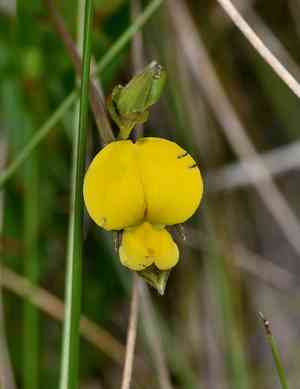
Distinguished by its vivid blossoms and unique seed capsules, pursh's rattlebox thrives with trimming from late winter through early spring. Cut away any lifeless or compromised limbs to foster vigorous development, and sculpt the plant to preserve its visual charm. Performing this maintenance during these periods encourages strong growth and abundant flowering. Consistent trimming aids in managing its dimensions, preventing spindly development, and enhancing light exposure. This method also lowers the likelihood of disease and stimulates prolific flowering.
What Are the Benefits of Pruning Pursh's Rattlebox?
What Are the Benefits of Pruning Pursh's Rattlebox?
Trimming pursh's rattlebox encourages robust development and maintains its form. It aids in managing the plant's size, improves its overall look, and prevents excessive density, which lessens pest and disease problems.
What Is the Best Time for Pruning Pursh's Rattlebox?
What Is the Best Time for Pruning Pursh's Rattlebox?
Pursh's rattlebox, similar to many perennial plants, experiences minimal development during late winter and early spring. This period is ideal for trimming because the plant is inactive, reducing the chance of shock and allowing for rapid recovery. Pruning at these times also prepares pursh's rattlebox for strong growth and blooming in the upcoming growing season, ensuring a healthier and more vigorous plant. These seasons coincide with the start of the plant's active growth cycle, fostering better structure and enhanced flowering.
What Tools Do I Need to Prune Pursh's Rattlebox?
Bypass Pruners
Perfect for making precise cuts on stems and branches up to 3/4 inch in diameter. These are crucial for accurate trimming and minimizing plant harm.
Loppers
Useful for severing thicker branches (up to 2 inches in diameter) that are too large for bypass pruners. The extended handles provide leverage for efficient cutting.
Hand Pruning Saw
Essential for removing larger, woody stems. A hand saw is suitable for cuts too big for loppers but not large enough to require a chainsaw.
How to Prune Pursh's Rattlebox
Inspect
Carefully examine pursh's rattlebox for any indications of diseased or withered leaves. Identifying the affected parts is vital for effective trimming.
Sanitize
Disinfect your pruning tools with a solution of one part bleach to nine parts water. This helps prevent the spread of any diseases.
Cut Diseased Leaves
Using clean, sharp pruning shears, remove all diseased leaves about an inch below the affected area. Ensure you make clean cuts to facilitate quick healing.
Remove Withered Leaves
Trim the withered leaves by cutting them back to the base of the leaf stem. This encourages the regrowth of healthy foliage.
Dispose
Properly discard all removed plant material in a sealed bag to prevent any disease from spreading. Do not compost diseased plant parts.
Common Pruning Mistakes with Pursh's Rattlebox
Over-pruning
Removing too much of the plant at once can weaken pursh's rattlebox, leading to stunted growth and reduced flowering.
Improper cutting techniques
Using dull or unclean tools can cause ragged cuts, increasing the risk of disease and poor health.
Wrong pruning angles
Cutting stems at improper angles can hinder healing and promote unhealthy growth patterns.
Ignoring plant shape
Not considering the natural shape of pursh's rattlebox can result in an uneven, unattractive appearance and can affect the overall health of the plant.
Common Pruning Tips for Pursh's Rattlebox
Use sharp, clean tools
Always utilize sharp and sterilized pruning shears to make clean cuts and minimize the risk of disease transmission.
Prune lightly
Aim to remove no more than one-third of the plant at a time to maintain strength and encourage healthy growth.
Cut at the right angle
Make cuts at a 45-degree angle to allow water to run off and promote faster healing.
Follow natural growth pattern
Prune in a way that respects pursh's rattlebox's natural growth habit to maintain its aesthetic form and ensure balanced growth.
Remove dead or damaged stems
Regularly eliminate any dead or damaged stems to prevent disease and encourage the development of healthy new growth.


