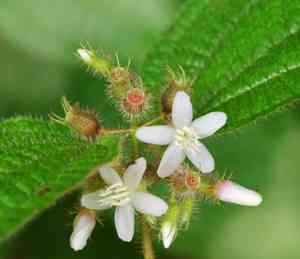
Soapbush (Clidemia hirta)
Also known as: Koster's curse
Clidemia hirta, commonly referred to as Koster's curse, is a perennial shrub also known as soapbush. While it is popular as an ornamental plant globally, it poses major ecological threats as an invasive species in regions such as Hawaii and Sri Lanka.
In This Article
Attributes of Soapbush
Lifespan
Perennial
Plant Type
Shrub
Plant Height
50 cm to 5 m
Spread
Approximately 1.5-2 meters
Leaf Color
Green Blue
Flower Size
1 cm to 1.5 cm
Flower Color
White
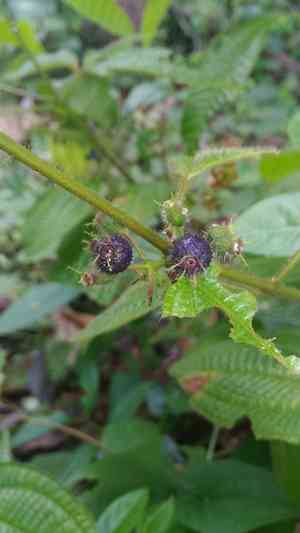
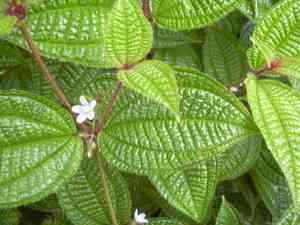
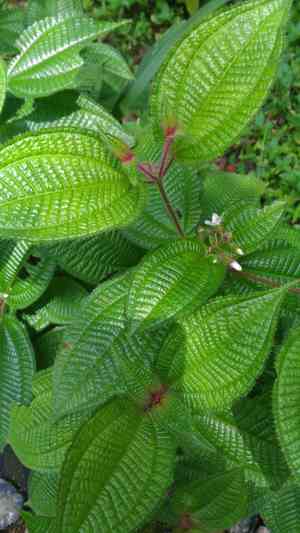
Images of Soapbush
Quickly Identify Soapbush
1
Recognize Clidemia hirta by its densely hairy stems and leaves, serrated leaf edges, and clusters of small white flowers. The berries turn dark purple to black when ripe.
Scientific Classification of Soapbush
Phylum
Vascular plants
Class
Dicotyledons
Order
Myrtales
Family
Melastome
Genus
Clidemia
Species
Soapbush
Planting and Growing of Soapbush
Care Difficulty
Easy
Watering Schedule
Every 2 days
Sunlight Requirements
Partial sun
Sunshine Duration
4-8 hours
Ideal Temperature
75-86℉
Soil Type
Potting Mix, Peat Mix
Soil pH
4.5-6.5
Fertilizer Type
Balanced
Pruning Season
Spring, Summer
Pruning Area
Branches, Leaves
Pruning Frequency
Once a year
Repotting Season
Spring
Pot Type
Plastic, Ceramic
 How to Water Soapbush?
For Clidemia hirta, the amount of water required should be about 300 milliliters per session. This plant prefers its soil to be moderately moist, mimicking its natural rainforest habitat. Overwatering can lead to root rot, while underwatering can cause stress. Water should be applied evenly across the soil until it feels moist to the touch but not waterlogged.
What are the symptoms of an underwatered Soapbush?
›
What should I do if my Soapbush is not getting enough water?
›
What are the symptoms of an overwatered Soapbush?
›
How to save an overwatered Soapbush?
›
 What Are the Sunlight Requirements for Soapbush?
Partial sun provides the plant with essential energy without exposing it to excessive heat or light. This range helps maintain its health and promotes bloom without causing stress.
More About Sunlight Requirements Techniques→
Why is partial sun ideal?
›
How to achieve ideal lighting?
›
Benefits of ideal lighting?
›
 What Is the Ideal Temperature Range for Soapbush?
Clidemia hirta thrives in a warm and humid environment. The perfect temperature range for its growth is between 75°F and 86°F. This warmth is similar to the conditions of tropical and subtropical regions where Clidemia hirta originates. Ensuring consistent temperatures within this range will promote healthy growth and development.
 What Soil is Best for Soapbush?
Clidemia hirta thrives in well-drained soil. This prevents waterlogging, which can lead to root rot, ensuring that the plant remains healthy. Proper drainage allows the roots to breathe and absorb nutrients efficiently, thereby promoting robust growth. A nutrient-rich substrate is crucial for Clidemia hirta to flourish. This type of soil provides essential minerals that support the plant's vigorous development and lush foliage. Incorporating organic matter can enrich the soil and enhance its fertility. Soils with moderate moisture retention help maintain appropriate hydration levels for Clidemia hirta. This prevents drought stress while avoiding excessive moisture, which can be detrimental to the plant's roots.
 How to Fertilize Soapbush?
For Clidemia hirta, it's key to balance fertilization carefully. Apply 50% of the recommended liquid fertilizer dose every two weeks during the growing season. This avoids over-fertilization and provides essential nutrients for optimal growth.
 How to Prune Soapbush?
Start by removing dead or damaged leaves and stems. Use clean, sharp pruning shears to cut back overgrown branches. It’s essential to shape the plant by pruning awkwardly extended shoots to maintain a bushy and tidy appearance. Focus on thinning out the interior branches for better light penetration and air circulation.
More About Pruning Techniques→
 How to Propagate Soapbush plant?
1
Collect seeds from mature Clidemia hirta fruit. Ensure the fruit is fully ripe and seeds are thoroughly cleaned and dried before planting.
2
Select healthy, non-flowering stems and cut them into sections around 10-15 cm each. Strip the lower leaves and treat the cut end with rooting hormone.
3
Sow seeds lightly in seed trays or plant cuttings in a sandy potting mix. Water sparingly but consistently, and place the containers in a warm, bright area away from direct sunlight.
 How to Repot Soapbush plant?
1
Repotting Clidemia hirta is essential when you notice the plant's roots circling the pot or pushing out through the drainage holes. Another indicator is when the plant's growth has slowed down, suggesting it's becoming root-bound. Ideally, plan to repot during its active growing seasons, spring or early summer, to minimize stress.
2
Opt for a pot that is one size larger than the current one, ensuring there is enough space for future root growth. A pot with drainage holes is crucial to prevent waterlogging, which can lead to root rot. The material of the pot, whether it's clay or plastic, should complement the plant's watering needs; clay pots are breathable while plastic retains moisture longer.
3
For Clidemia hirta, selecting a well-draining, organic-rich soil mix is vital for its health. Incorporate materials like perlite or coarse sand to enhance drainage. This soil composition helps keep the roots aerated and allows efficient nutrient absorption, supporting robust plant growth.
Learn More About Soapbush Diseases
Anthracnose
Bacterial Leaf Spot
Bacterial Wilt
Black Spot
Chemical Injury
Crown Gall
Cyst Nematode
Damping-off
Downy Mildew
Drought Stress
Fusarium Wilt
Gray Mold
Leaf Curl
Leaf Spot
Mosaic
Nutrient Deficiency
Nutrient Toxicity
Powdery Mildew
Root Rot
Root-knot Nematode
Rusts
Sooty Mold
Spider Mites
Temperature Stress
Thrips Damage
White Mold



