How to Prune Soapbush?
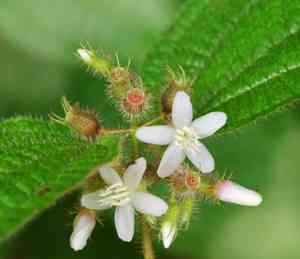
Renowned for its abundant leaves and groupings of petite, pink-tinged white blossoms, soapbush flourishes in equatorial regions. Trim to preserve its form and stimulate denser development by shortening elongated stalks and eliminating any lifeless or ailing limbs. The most suitable time for pruning soapbush is during the winter season when the plant is inactive. Pruning at this juncture fosters robust growth in the spring. Consistent trimming can also deter soapbush from spreading aggressively, facilitating conscientious cultivation and garden upkeep.
What Are the Benefits of Pruning Soapbush ?
What Are the Benefits of Pruning Soapbush ?
Trimming soapbush encourages robust development, allowing for a more controlled form and size. Regular cuts ensure a neat appearance and can boost its overall well-being and vigor.
What Is the Best Time for Pruning Soapbush ?
What Is the Best Time for Pruning Soapbush ?
Pruning soapbush during winter is beneficial because the plant is dormant. In this state, the plant's growth slows, minimizing the risk of stress and disease transmission associated with pruning. It also prepares soapbush for strong growth in spring. This timing enables gardeners to remove dead or damaged wood, ensuring the plant's energy is directed towards producing new, healthy growth when temperatures rise. Furthermore, since soapbush may have finished its flowering or fruiting cycle by winter, pruning will not negatively impact these processes.
What Tools Do I Need to Prune Soapbush ?
Hand Pruners
Perfect for cutting through stems and branches of soapbush up to 3/4 inches thick, hand pruners offer precision for shaping and maintaining the plantâs compact form.
Lopping Shears
Suitable for branches between 3/4 and 1 1/2 inches thick, these provide leverage to prune the thicker growth without damaging the plant.
Pruning Saw
For branches thicker than 1 1/2 inches, a pruning saw makes clean cuts through the dense parts of soapbush , which helps promote healthier regrowth.
Hedge Shears
Soapbush may develop into dense thickets; hedge shears are ideal for trimming and shaping large swathes of growth with each cut.
Gloves
Protective gloves are necessary to prevent scratches from the bristly hairs of soapbush while pruning.
Cleaning Solution
A solution to clean the tools after pruning soapbush to prevent the spread of any disease and maintain tool longevity.
How to Prune Soapbush
Identify
Locate all withered leaves, dead branches, and diseased branches on soapbush . These parts hinder growth and can harbor pests or diseases.
Sanitize
Before pruning soapbush , clean and disinfect your pruning tools to prevent disease spread. Use a solution of 1 part bleach to 9 parts water.
Cut Withered Leaves
Using sharp, sanitized pruning shears, remove the withered leaves from soapbush by cutting them at the base of the leaf stalk. Make clean cuts to avoid damaging healthy tissue.
Remove Dead Branches
Trim dead branches from soapbush by making cuts just above a healthy bud, leaf node, or lateral branch. Ensure that the cuts are angled away from the bud to prevent water accumulation.
Excise Diseased Branches
Carefully remove diseased branches from soapbush , cutting back to healthy wood. If a branch is partially affected, prune 6-10 inches into healthy tissue to ensure the disease is fully removed.
Common Pruning Mistakes with Soapbush
Overpruning
Removing too much foliage at once, which can stress soapbush and reduce its ability to photosynthesize adequately.
Using Dull Tools
Employing dull pruning tools can damage the stems of soapbush by creating jagged cuts that are more susceptible to disease.
Pruning Randomly
Pruning soapbush without a clear plan can result in an unsightly shape and may inhibit the plant's natural growth pattern.
Ignoring Diseased Sections
Failing to remove diseased or damaged areas can allow the problem to spread throughout soapbush , affecting its overall health.
Pruning Too Close
Cutting too close to the main stems or 'collar' can damage soapbush and hinder the healing process.
Neglecting Tool Cleanliness
Not sterilizing pruning tools between cuts and plants can lead to the transfer of pests or diseases to soapbush .
Common Pruning Tips for Soapbush
Sharp Clean Tools
Use sharp, clean cutting tools to produce clean, precise cuts that will heal quickly, reducing stress on soapbush .
Strategic Cutting
Develop a pruning strategy that includes shaping soapbush for optimal air circulation and sunlight penetration to encourage healthy growth.
Regular Maintenance
Conduct regular maintenance to remove dead or weak branches, allowing soapbush to direct energy to more vigorous growth.
Thin Out Center
Thin out the center of soapbush carefully to increase light exposure and air flow, which can reduce the risk of fungal diseases.
Selective Pruning
Practise selective pruning, focusing on removing only dead, diseased, or crossing branches to maintain the structural integrity of soapbush .
Follow Natural Shape
Aim to maintain the natural shape of soapbush when pruning, enhancing its aesthetic appeal as well as its health.
Health First
Prioritize soapbush 's health over aesthetics when deciding what and how much to prune; a healthy plant will naturally look more vibrant.



